
The Critical Importance of Rail Clips in Enhancing Track Stability for Modern Rail Transport
Sep 13,2025
The Critical Importance of Rail Clips in Enhancing Track Stability for Modern Rail Transport Table of Contents 1. Introduction to Rail Clips 2. Understanding Rail Clips: Types and Functions 3. The Role of Rail Clips in Track Stability 4. Benefits of Using Rail Clips in Transportation 5. The Installation Process of Rail Clips 6. Maintenance and Inspection of Rail Clips
The Critical Importance of Rail Clips in Enhancing Track Stability for Modern Rail Transport
Table of Contents
- 1. Introduction to Rail Clips
- 2. Understanding Rail Clips: Types and Functions
- 3. The Role of Rail Clips in Track Stability
- 4. Benefits of Using Rail Clips in Transportation
- 5. The Installation Process of Rail Clips
- 6. Maintenance and Inspection of Rail Clips
- 7. Common Issues with Rail Clips and Solutions
- 8. The Future of Rail Clips in Rail Technology
- 9. Frequently Asked Questions
- 10. Conclusion
1. Introduction to Rail Clips
Rail transport has evolved significantly over the years, with advancements in technology leading to safer and more efficient systems. One of the unsung heroes of this evolution is the rail clip. Rail clips, often overlooked in discussions surrounding rail infrastructure, are vital components that help maintain the integrity and stability of tracks. This article delves into the **essential role** rail clips play in enhancing track stability and ensuring the smooth operation of train services.
2. Understanding Rail Clips: Types and Functions
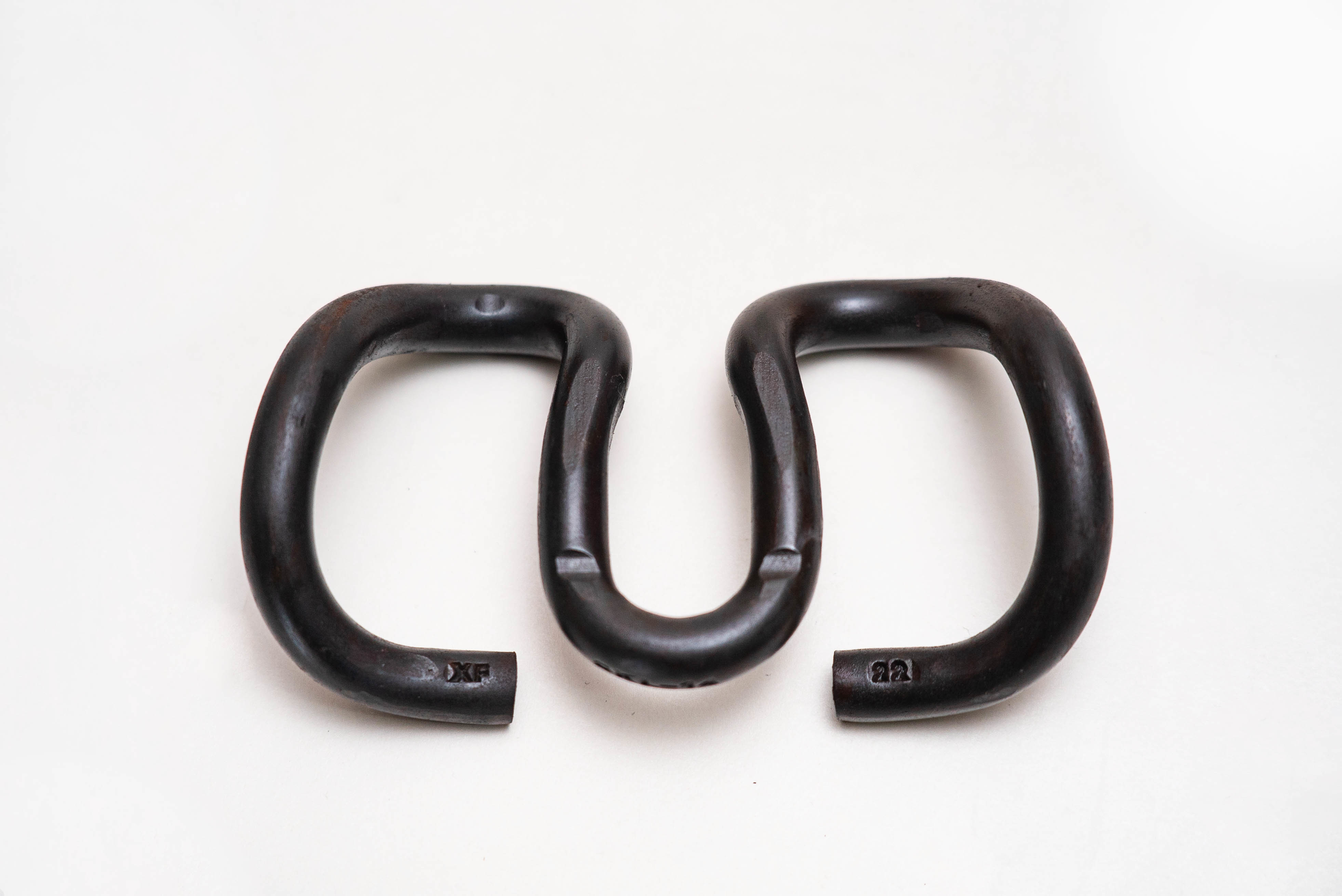
Rail clips are mechanical fasteners that secure the rail to the sleepers (also known as ties) in a railway track. They serve multiple functions, including:
2.1 Types of Rail Clips
- **Elastic Rail Clips (ERCs)**: These clips provide flexibility and allow for slight movements in the rail, accommodating thermal expansion and contraction.
- **Bolted Rail Clips**: These offer a more rigid connection and are typically used in heavy-duty rail applications.
- **Welded Rail Clips**: Permanent attachments that provide maximum stability.
2.2 Functions of Rail Clips
Rail clips primarily serve to:
- Secure the rail in position against lateral and vertical forces.
- Facilitate the transmission of forces from the rail to the sleepers.
- Enhance the overall durability of the track structure.
3. The Role of Rail Clips in Track Stability
Rail clips play a fundamental role in ensuring the stability of railway tracks. Their ability to absorb and distribute forces is crucial for maintaining the alignment of tracks.
3.1 Stability Under Load
When a train travels along a track, it exerts significant forces on the rails. Rail clips help maintain the spacing and alignment of rail sections, preventing misalignment that can lead to derailments.
3.2 Vibration Dampening
Rail clips also contribute to vibration dampening. By securing the rails firmly, they reduce the transmission of vibrations caused by passing trains, which can lead to structural fatigue over time.
4. Benefits of Using Rail Clips in Transportation
Investing in high-quality rail clips offers numerous benefits for rail operators and infrastructure planners.
4.1 Improved Safety
The primary benefit of rail clips is enhanced safety. By ensuring that rails remain in place, the risk of derailments is significantly minimized.
4.2 Cost Efficiency
Properly functioning rail clips reduce the need for frequent repairs and maintenance, thereby lowering long-term operational costs.
4.3 Increased Lifespan
Quality rail clips extend the lifespan of the track. By providing steady support, they prevent wear and tear on both the rail and the sleeper.
5. The Installation Process of Rail Clips
Installing rail clips requires careful consideration and expertise to ensure optimal performance.
5.1 Preparation of the Track Bed
Before installation, the track bed must be properly prepared. This includes ensuring a level surface and proper drainage to prevent water accumulation.
5.2 Aligning the Rails
Rails should be aligned accurately, as misalignment can lead to stress and premature failure of rail clips.
5.3 Securing the Clips
Once the rails are in place, the clips are secured using the appropriate tools and techniques. It’s essential to follow manufacturer guidelines to ensure effectiveness.
6. Maintenance and Inspection of Rail Clips
To ensure the longevity of rail clips, regular maintenance and inspection are crucial.
6.1 Routine Inspections
Conducting routine inspections helps identify wear and tear on rail clips. Regular checks can prevent larger issues down the line.
6.2 Replacement Protocols
Developing replacement protocols for worn or damaged rail clips is essential for maintaining track integrity. Operators should have a plan in place for timely replacements.
7. Common Issues with Rail Clips and Solutions
While rail clips are robust, they can face issues that need addressing.
7.1 Corrosion
Corrosion can weaken rail clips over time. Regular inspections and treatment with protective coatings can mitigate this issue.
7.2 Improper Installation
Improperly installed rail clips can lead to misalignment. Ensuring trained personnel handle installation can reduce these instances.
8. The Future of Rail Clips in Rail Technology
As rail technology continues to advance, so too will the design and functionality of rail clips.
8.1 Innovations in Materials
Developments in materials science may lead to lighter, stronger rail clips that enhance performance while reducing overall weight on tracks.
8.2 Smart Rail Clips
The integration of smart technology may enable rail clips to monitor conditions in real-time, providing alerts for maintenance and ensuring higher safety standards.
9. Frequently Asked Questions
9.1 What are rail clips made of?
Rail clips are typically made from high-strength steel or composite materials designed to withstand extreme conditions and loads.
9.2 How often should rail clips be inspected?
Rail clips should be inspected at least annually, though more frequent inspections may be necessary in high-traffic areas.
9.3 Can rail clips be reused?
In many cases, rail clips can be reused if they show no signs of wear or damage upon inspection. However, it's essential to evaluate each clip individually.
9.4 What factors affect rail clip performance?
Factors include the material quality, installation accuracy, environmental conditions, and load they are subjected to.
9.5 Are there regulations governing rail clip usage?
Yes, various regulatory bodies provide guidelines and standards for rail clip usage to ensure safety and performance in rail transport systems.
10. Conclusion
Rail clips are more than just simple fasteners; they are critical components that ensure the stability and safety of railway tracks. Their ability to absorb forces, reduce vibration, and maintain alignment plays a significant role in the overall efficiency of rail transport systems. By understanding the importance of rail clips, their benefits, and the necessity of regular maintenance, we can ensure a safer and more reliable railway infrastructure for future generations. Investing in high-quality rail clips is not just a choice but a necessity for any modern rail system aiming for excellence in performance and safety.
Recommended

Xinda Introduces KB65 Railway Tie Plate – Now Available for Customer Orders
Xinda Railway Equipment Co., Ltd. has added the KB65 railway tie plate (baseplate) to its product portfolio, expanding the company's offering for customers operating under GOST standards.
Xinda Optimizes KB65 Railway Tie Plate – New Samples Available for Customer Testing
Xinda Railway Equipment Co., Ltd. has completed a new round of optimization for its KB65 railway tie plate, a key component used in railway fastening systems.
Contact Us
Henan Xinda Railway Equipment Co., Ltd
Fax: +86-372-2372333
Email:info@xindarail.com
WeChat:XindaRail






Send us your request
we will get in touch with you as soon as possible