
Rail Fasteners: Essential Tools for Rail Constructors and Engineers
Dec 02,2025
Rail Fasteners: Essential Tools for Rail Constructors and Engineers Table of Contents 1. Introduction to Rail Fasteners 2. Importance of Rail Fasteners in Rail Construction 3. Types of Rail Fasteners: A Comprehensive Overview 3.1 Rail Bolts 3.2 Rail Clips 3.3 Rail Spikes 4. Material Choices for Rail Fasten
Rail Fasteners: Essential Tools for Rail Constructors and Engineers
Table of Contents
- 1. Introduction to Rail Fasteners
- 2. Importance of Rail Fasteners in Rail Construction
- 3. Types of Rail Fasteners: A Comprehensive Overview
- 4. Material Choices for Rail Fasteners
- 5. Installation Techniques for Rail Fasteners
- 6. Maintenance of Rail Fasteners
- 7. Safety Considerations When Using Rail Fasteners
- 8. Future Trends in Rail Fastener Technology
- 9. FAQs about Rail Fasteners
- 10. Conclusion
1. Introduction to Rail Fasteners
Rail transport is one of the most efficient and reliable modes of transportation, capable of moving large volumes of goods and passengers across vast distances. **Rail fasteners** play a pivotal role in this system, providing the necessary support and stability to rails. Understanding the significance of these essential tools can greatly enhance the efficiency of rail construction and maintenance.
2. Importance of Rail Fasteners in Rail Construction
Rail fasteners are crucial in ensuring **track stability**, safety, and durability. They secure the rail to the ties (or sleepers), absorbing vibrations and reducing wear and tear. Proper installation of rail fasteners not only improves the **lifespan of the rail** infrastructure but also enhances the overall safety of rail operations. With increasing demands for reliable and high-speed rail networks, the importance of using quality fasteners cannot be overstated.
3. Types of Rail Fasteners: A Comprehensive Overview
Rail fasteners come in various types, each designed for specific applications and environmental conditions. Understanding these types is essential for rail constructors and engineers to select the appropriate fasteners for their projects.
3.1 Rail Bolts
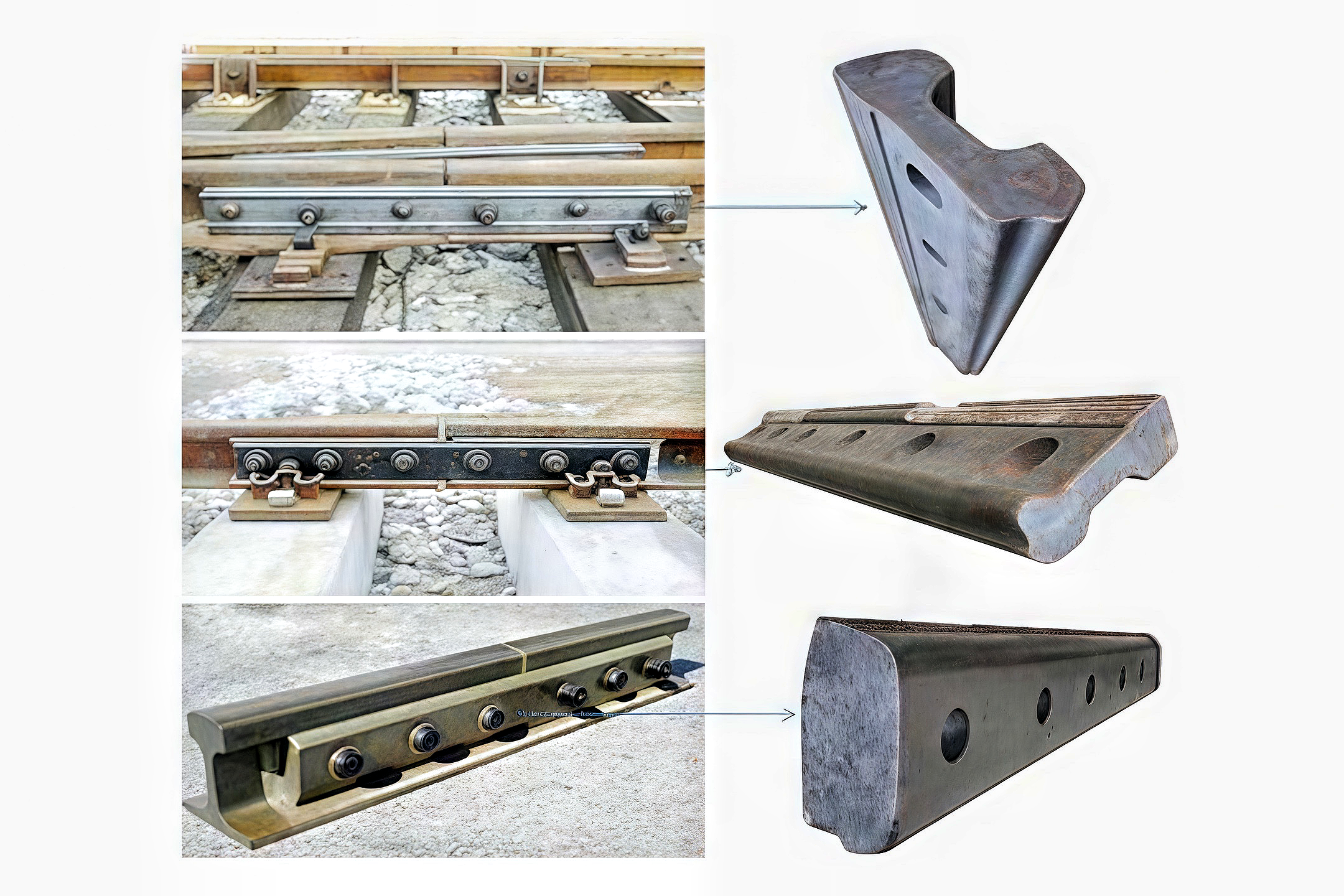
Rail bolts are a primary type of rail fastener, designed to secure rails to ties. These bolts are usually made from high-strength steel, capable of withstanding the intense forces of moving trains. The design of rail bolts often includes features to ensure a tight fit, preventing loosening over time.
3.2 Rail Clips
Rail clips, or elastic rail fasteners, have gained popularity due to their superior holding power and ease of installation. These clips can be installed quickly without the need for additional tools, making them ideal for modern rail construction techniques. Their design allows for flexibility and adaptability, which is crucial in areas prone to temperature fluctuations.
3.3 Rail Spikes
Rail spikes are among the oldest types of rail fasteners, traditionally used to secure wooden ties. Though less common in modern rail systems, spikes are still employed in certain applications due to their ease of installation and less complex design. Various spike designs exist, including dog spikes and screw spikes, each tailored for specific conditions.
4. Material Choices for Rail Fasteners
The material selection for rail fasteners is critical in ensuring their performance and longevity. Fasteners are commonly made from various materials, including:
- **Carbon Steel**: The most traditional choice, offering good strength and durability.
- **Stainless Steel**: Resistant to corrosion, making it ideal for coastal or humid environments.
- **Alloy Steel**: Designed for high-performance applications, providing enhanced strength and toughness.
Choosing the right material depends on environmental conditions, load requirements, and budget considerations.
5. Installation Techniques for Rail Fasteners
Proper installation of rail fasteners is vital for ensuring safety and functionality. Here are some common techniques:
- **Pre-drilling for Bolts**: Ensuring precise alignment and reducing the risk of splitting ties.
- **Screwing for Clips**: Utilizing power tools to secure clips efficiently.
- **Hammering for Spikes**: Ensuring spikes are driven into the ties at the correct angle to provide maximum hold.
Training and adherence to best practices are essential for effective installation, reducing future maintenance needs.
6. Maintenance of Rail Fasteners
Regular maintenance is necessary to ensure that rail fasteners remain functional and secure. Key maintenance practices include:
- **Periodic Inspections**: Checking for signs of wear, rust, or loosening.
- **Tightening**: Regularly tightening bolts and clips as needed to maintain tension.
- **Replacement**: Timely replacement of worn or damaged fasteners, ensuring the integrity of the rail network.
Maintenance programs should be structured and documented to ensure that all components receive appropriate attention.
7. Safety Considerations When Using Rail Fasteners
Safety is paramount in rail construction and maintenance. Here are several considerations:
- **Quality Control**: Always utilize high-quality fasteners that meet industry standards.
- **Training**: Ensure that all personnel are trained in the proper use and installation of rail fasteners.
- **Personal Protective Equipment (PPE)**: Workers must wear appropriate PPE to prevent injuries during installation and maintenance.
Implementing a robust safety culture can prevent accidents and enhance operational efficiency.
8. Future Trends in Rail Fastener Technology
The future of rail fasteners is closely tied to advancements in technology and materials science. Emerging trends include:
- **Smart Fasteners**: Incorporating sensors to monitor stress and detect loosening in real time.
- **Advanced Materials**: Development of composites and lightweight materials that offer enhanced performance without compromising strength.
- **Automation**: Utilizing robotics for installation and maintenance tasks, increasing precision and reducing human error.
These innovations hold the potential to revolutionize rail construction and maintenance, making systems safer and more efficient.
9. FAQs about Rail Fasteners
**Q1: What are the most common types of rail fasteners?**
A1: The most common types include rail bolts, rail clips, and rail spikes, each serving distinct purposes in rail construction.
**Q2: How do I choose the right rail fasteners for my project?**
A2: Consider factors such as the type of rail, environmental conditions, load requirements, and local regulations when selecting rail fasteners.
**Q3: Can rail fasteners be reused?**
A3: While some fasteners can be reused if they are in good condition, it's generally recommended to replace worn or damaged fasteners to ensure safety.
**Q4: How often should rail fasteners be inspected?**
A4: Regular inspections should be conducted at least once a year, or more frequently depending on traffic loads and environmental conditions.
**Q5: What are the consequences of improperly installed rail fasteners?**
A5: Improperly installed rail fasteners can lead to track misalignments, increased wear and tear, and potentially catastrophic failures, compromising safety.
10. Conclusion
Rail fasteners are indispensable tools in the realm of rail construction and engineering. They not only secure tracks but also guarantee the safety and efficiency of rail transport. Understanding the various types, materials, and installation techniques enhances the capabilities of constructors and engineers alike. As technology evolves, the future looks promising for innovations that can further improve rail fastening systems. By prioritizing quality, maintenance, and safety, we can ensure that rail networks remain robust and reliable for years to come.
Recommended

Xinda Introduces KB65 Railway Tie Plate – Now Available for Customer Orders
Xinda Railway Equipment Co., Ltd. has added the KB65 railway tie plate (baseplate) to its product portfolio, expanding the company's offering for customers operating under GOST standards.
Xinda Optimizes KB65 Railway Tie Plate – New Samples Available for Customer Testing
Xinda Railway Equipment Co., Ltd. has completed a new round of optimization for its KB65 railway tie plate, a key component used in railway fastening systems.
Contact Us
Henan Xinda Railway Equipment Co., Ltd
Fax: +86-372-2372333
Email:info@xindarail.com
WeChat:XindaRail






Send us your request
we will get in touch with you as soon as possible