

Fishplates: The Unsung Heroes of Rail Track Systems
Dec 10,2025
Fishplates: The Unsung Heroes of Rail Track Systems Table of Contents 1. Introduction to Fishplates in Rail Systems 2. Importance of Fishplates in Rail Track Stability 3. Design and Construction of Fishplates 4. Materials Used in Fishplates 5. Proper Installation Techniques for Fishplates 6. Maintenance of Fishplates for Longevity 7. Challenges and Innovations in Fishp
Fishplates: The Unsung Heroes of Rail Track Systems
Table of Contents
- 1. Introduction to Fishplates in Rail Systems
- 2. Importance of Fishplates in Rail Track Stability
- 3. Design and Construction of Fishplates
- 4. Materials Used in Fishplates
- 5. Proper Installation Techniques for Fishplates
- 6. Maintenance of Fishplates for Longevity
- 7. Challenges and Innovations in Fishplate Technology
- 8. Conclusion: The Future of Fishplates in Rail Systems
1. Introduction to Fishplates in Rail Systems
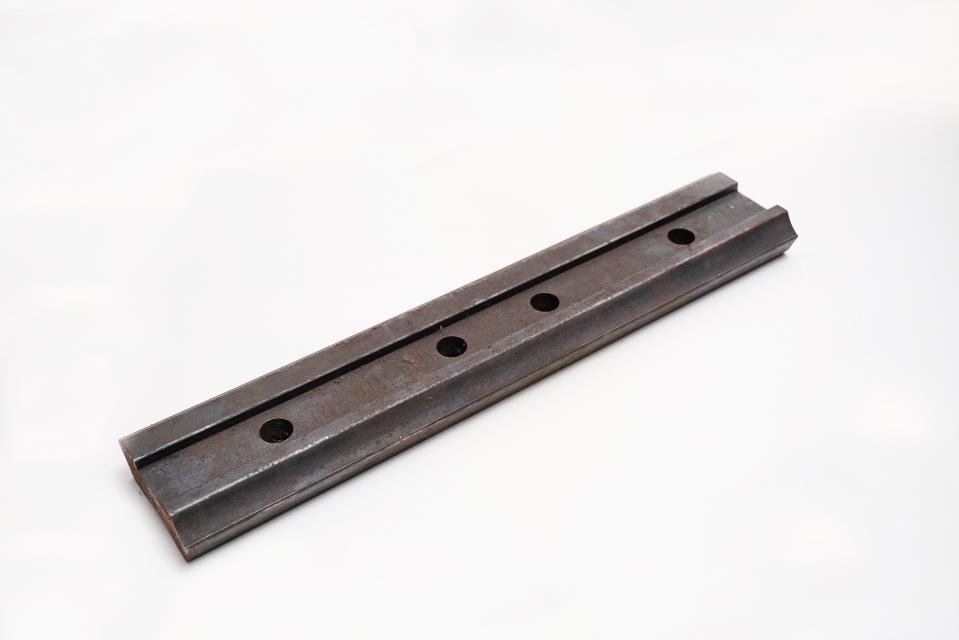
Fishplates, also known as rail joiners, are critical components in rail track systems. These metal plates serve to connect two sections of rail, ensuring that trains can traverse long distances smoothly and safely. Despite their crucial role, fishplates often remain overlooked in discussions about rail infrastructure. This article aims to shed light on their significance, construction, and maintenance to emphasize why they are indeed the unsung heroes of rail track systems.
2. Importance of Fishplates in Rail Track Stability
Fishplates play a vital role in maintaining the structural integrity of rail tracks. By securely connecting rail segments, they help distribute the load of passing trains evenly, thereby preventing misalignment and potential derailments. The seamless connection facilitated by fishplates enhances the overall stability and safety of the rail system.
Moreover, fishplates minimize the impact of thermal expansion and contraction. As temperatures fluctuate, rails expand and contract. The flexibility offered by fishplates allows for minor adjustments, preventing undue stress on the track that could lead to critical failures.
2.1 Enhancing Safety Features
Safety is paramount in railway operations. Fishplates contribute to this aspect by ensuring that the rail joints are sufficiently tight, reducing the risk of track separation during a train's high-speed travel. Additionally, the right installation and maintenance practices help in early detection of wear and tear, allowing for timely interventions that prevent accidents.
2.2 Economic Benefits of Well-Maintained Fishplates
Investing in quality fishplates and their maintenance can lead to substantial economic benefits for railway operators. By reducing the likelihood of derailments, which can be costly both in terms of repairs and downtime, rail companies can ensure a more efficient operation. Moreover, the longevity of the track system contributes to reduced maintenance costs over time.
3. Design and Construction of Fishplates
The design of fishplates is integral to their functionality. Typically rectangular or square, these plates are engineered to withstand the immense forces exerted by trains. The design considerations include thickness, length, and the method of fastening to the rails.
3.1 Types of Fishplates
There are various types of fishplates, each designed for specific applications. Standard fishplates are widely used for conventional rail systems, while insulated fishplates are employed in electrified railway systems to prevent electrical continuity between rail sections.
3.2 The Role of Engineering in Fishplate Design
Engineers utilize advanced computational methods to simulate stress and strain on fishplates under various conditions. This ensures that the final product can withstand not only the typical operational loads but also environmental factors such as extreme weather and ground movement.
4. Materials Used in Fishplates
Fishplates are constructed from a variety of materials, with each choice impacting their durability and performance.
4.1 Steel: The Most Common Material
Steel is the predominant material used for fishplates due to its strength and ductility. It can withstand the high stresses encountered in rail applications and is relatively cost-effective. However, the specific type of steel may vary based on the expected load and environmental conditions.
4.2 Alternative Materials for Specialized Applications
In some cases, non-metallic materials such as composites or plastics are used for specialized applications. These materials can offer benefits such as corrosion resistance and reduced weight, although they may not be suitable for all environmental conditions.
5. Proper Installation Techniques for Fishplates
The installation of fishplates is a critical process that demands precision and expertise.
5.1 Tools Required for Installation
Installing fishplates requires a set of specialized tools, including wrenches, torque tools, and potentially welding equipment for certain types. Each tool serves a specific function, ensuring that the fishplate is secured adequately.
5.2 Step-by-Step Installation Process
The installation process typically involves several steps:
1. **Aligning the Rails:** Ensure that the rail sections are perfectly aligned before attaching the fishplate.
2. **Positioning the Fishplate:** Place the fishplate over the joint between the two rails.
3. **Securing the Fishplate:** Utilize bolts or other fastening methods to secure the fishplate firmly to both rail sections.
4. **Torque Specifications:** Always follow the manufacturer's torque specifications for bolts to ensure optimal performance.
6. Maintenance of Fishplates for Longevity
Regular maintenance of fishplates is essential for ensuring their long-term functionality and safety.
6.1 Inspection Routines
Routine inspections should be conducted to check for signs of wear, corrosion, or loosening of bolts. Any abnormalities should be addressed immediately to prevent more significant issues.
6.2 Cleaning and Lubrication
Keeping fishplates clean and adequately lubricated helps to enhance their lifespan. Removing dirt and debris prevents corrosion, while lubrication minimizes friction during thermal expansion.
7. Challenges and Innovations in Fishplate Technology
While fishplates have been integral to rail systems for decades, they face challenges such as material fatigue and environmental factors.
7.1 Addressing Material Fatigue
Material fatigue is a common challenge in heavily trafficked rail systems. Engineers are continually researching new materials and designs that can withstand the stresses of modern trains.
7.2 Innovations in Design
Recent innovations include the development of smart fishplates equipped with sensors that monitor stress levels and wear. These devices can provide real-time data to maintenance teams, allowing for proactive interventions.
8. Conclusion: The Future of Fishplates in Rail Systems
Fishplates may be small components in the grand scheme of rail transport, but their role in ensuring safety and stability cannot be overstated. As technology continues to advance, the evolution of fishplate design and materials is likely to enhance their effectiveness even further. By understanding the importance of these unsung heroes, we can appreciate their contribution to a safe and efficient rail transportation system.
Frequently Asked Questions (FAQs)
1. What is the primary function of a fishplate?
The primary function of a fishplate is to connect two sections of rail, providing structural stability and ensuring safe train travel.
2. What materials are fishplates made from?
Fishplates are typically made from steel, but specialized applications may utilize composite materials or plastics for specific environments.
3. How often should fishplates be inspected?
Fishplates should be inspected routinely, ideally as part of regular rail maintenance protocols, to detect any signs of wear or damage.
4. Can fishplates be repaired if damaged?
In many cases, damaged fishplates can be repaired or replaced without needing to replace the entire rail, depending on the extent of the damage.
5. What innovations are being made in fishplate technology?
Innovations include the development of smart fishplates with embedded sensors that monitor stress and wear, providing real-time data for maintenance teams.
By prioritizing the understanding and maintenance of fishplates, we can ensure the reliability and safety of rail systems for years to come.
Recommended

Xinda Introduces KB65 Railway Tie Plate – Now Available for Customer Orders
Xinda Railway Equipment Co., Ltd. has added the KB65 railway tie plate (baseplate) to its product portfolio, expanding the company's offering for customers operating under GOST standards.
Xinda Optimizes KB65 Railway Tie Plate – New Samples Available for Customer Testing
Xinda Railway Equipment Co., Ltd. has completed a new round of optimization for its KB65 railway tie plate, a key component used in railway fastening systems.
Contact Us
Henan Xinda Railway Equipment Co., Ltd
Fax: +86-372-2372333
Email:info@xindarail.com
WeChat:XindaRail






Send us your request
we will get in touch with you as soon as possible