

Assessing the Performance Characteristics of Rail Elastomers in Action: A Comprehensive Guide
Dec 26,2025
Assessing the Performance Characteristics of Rail Elastomers in Action Table of Contents 1. Introduction to Rail Elastomers 2. Understanding Rail Elastomers: Definition and Functionality 3. Key Performance Characteristics of Rail Elastomers 4. Types of Rail Elastomers and Their Applications 5. Advantages of Utilizing Rail Elastomers 6. Testing Methods for E
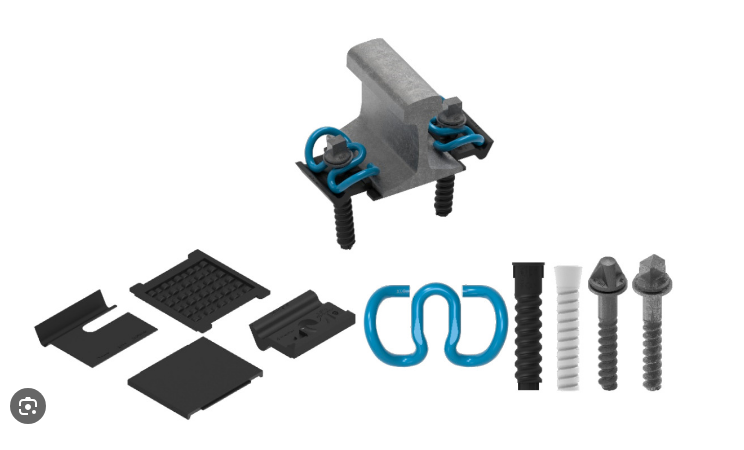
Assessing the Performance Characteristics of Rail Elastomers in Action
Table of Contents
- 1. Introduction to Rail Elastomers
- 2. Understanding Rail Elastomers: Definition and Functionality
- 3. Key Performance Characteristics of Rail Elastomers
- 4. Types of Rail Elastomers and Their Applications
- 5. Advantages of Utilizing Rail Elastomers
- 6. Testing Methods for Evaluating Elastomer Performance
- 7. Real-World Applications of Rail Elastomers in Transportation
- 8. The Future of Rail Elastomers in Transportation Systems
- 9. Conclusion
- 10. Frequently Asked Questions (FAQs)
1. Introduction to Rail Elastomers
Rail elastomers play a vital role in the transportation industry, particularly in rail systems. These synthetic rubber materials are specifically engineered to absorb vibrations and provide essential cushioning. Their unique properties improve the overall performance and durability of railway equipment. As rail networks continue to evolve, understanding the performance characteristics of rail elastomers becomes critical for manufacturers, engineers, and operators alike.
2. Understanding Rail Elastomers: Definition and Functionality
Rail elastomers, primarily made from synthetic rubber, are designed to meet the demanding requirements of rail transport. Their primary function is to dampen vibrations and reduce noise generated by trains during operation. The **flexibility** and **elasticity** of these materials allow them to adapt to variable loads and environmental conditions, ensuring consistent performance over time.
The use of rail elastomers can significantly enhance the **comfort** of passengers and reduce wear on track infrastructure and rolling stock. By mitigating the effects of vibrations, they contribute to longer service life and lower maintenance costs.
3. Key Performance Characteristics of Rail Elastomers
Several performance characteristics determine the effectiveness of rail elastomers, including:
3.1. Vibration Damping
Vibration damping is one of the most crucial characteristics of rail elastomers. They are designed to absorb and dissipate energy from vibrations, thus minimizing the transfer of sound and vibrations to passengers and reducing stress on the structural components of rail systems.
3.2. Durability and Longevity
Durability is fundamental to the performance of rail elastomers. They must withstand harsh environmental conditions, including extreme temperatures, moisture, and exposure to chemicals. High-quality elastomers can maintain their performance and structural integrity over extended periods, reducing the need for frequent replacements.
3.3. Temperature Resistance
The ability to operate effectively across a range of temperatures is essential for rail elastomers. Many formulations are made to endure both high and low temperatures, ensuring they perform optimally regardless of the weather conditions.
3.4. Load-Bearing Capacity
Rail elastomers must support various loads experienced during operation. Their performance is notably influenced by their elastic modulus, which determines how much load they can handle without permanent deformation. A higher load-bearing capacity ensures safety and reliability in rail applications.
4. Types of Rail Elastomers and Their Applications
Different types of elastomers are used in rail systems, each with unique properties suited for specific applications. Below are some of the most common types:
4.1. Natural Rubber
Natural rubber is known for its excellent elasticity and resilience. It is often used in applications where flexibility is paramount, such as rail pads and dampers.
4.2. Styrene-Butadiene Rubber (SBR)
SBR is a synthetic rubber that provides good durability and resistance to wear. Its properties make it suitable for wheel and rail contact applications, where high performance is essential.
4.3. Ethylene Propylene Diene Monomer (EPDM)
EPDM rubber is highly resistant to weathering and aging, making it ideal for outdoor applications. It is commonly used in sealing and insulating components in rail systems.
4.4. Polyurethane Elastomers
Polyurethane elastomers exhibit exceptional wear resistance and load-bearing capacity. These materials are often used in applications where high performance is critical, such as in rail bearings and vibration isolation systems.
5. Advantages of Utilizing Rail Elastomers
The incorporation of rail elastomers in transportation systems offers several advantages:
5.1. Improved Comfort
By effectively dampening vibrations and noise, rail elastomers significantly enhance passenger comfort during travel.
5.2. Enhanced Safety
The reduction of vibrations contributes to safer rail operations by minimizing the potential for track and vehicle failure.
5.3. Cost-Effectiveness
Utilizing durable elastomers reduces maintenance costs and extends the service life of rail components, resulting in long-term savings for operators.
5.4. Eco-Friendliness
Many rail elastomers are designed with environmentally friendly formulations, contributing to sustainability initiatives within the rail industry.
6. Testing Methods for Evaluating Elastomer Performance
To ensure the reliability and safety of rail elastomers, various testing methods are employed:
6.1. Dynamic Mechanical Analysis (DMA)
DMA evaluates the mechanical properties of elastomers in response to applied stress. This test helps in understanding the material's damping characteristics and viscoelastic behavior.
6.2. Compression Set Testing
This test measures the ability of elastomers to return to their original shape after being compressed. It is crucial for assessing long-term performance and durability.
6.3. Fatigue Testing
Fatigue testing simulates prolonged stress on the elastomers, allowing engineers to assess how well they withstand repeated loading cycles.
7. Real-World Applications of Rail Elastomers in Transportation
Rail elastomers find extensive applications in various components of rail systems:
7.1. Rail Pads
Rail pads are vital in minimizing vibrations transmitted from trains to tracks, enhancing safety and comfort.
7.2. Isolation Bearings
Used in bridges and elevated tracks, isolation bearings help reduce the impact of vibrations and protect infrastructure.
7.3. Shock Absorbers
Elastomeric shock absorbers are employed in train suspensions, providing a smoother ride while protecting the vehicle structure from dynamic loads.
8. The Future of Rail Elastomers in Transportation Systems
As technology advances, the future of rail elastomers looks promising. Researchers are exploring new formulations that offer greater durability, environmental compliance, and cost-efficiency. Innovations in manufacturing processes are likely to lead to lighter and more effective elastomeric materials, further enhancing their performance in rail applications.
The growing emphasis on sustainable transportation solutions will also drive the development of eco-friendly elastomers, aligning with global environmental goals.
9. Conclusion
The assessment of rail elastomers reveals their critical role in enhancing the performance of rail transportation systems. By understanding their unique properties and applications, stakeholders can make informed decisions that improve safety, efficiency, and sustainability within the industry. As rail networks continue to evolve, the ongoing research and innovation in elastomer technology will undoubtedly play a significant role in shaping the future of rail transportation.
10. Frequently Asked Questions (FAQs)
10.1. What are rail elastomers used for?
Rail elastomers are primarily used to reduce vibrations, enhance passenger comfort, and improve the durability of rail systems.
10.2. How do rail elastomers enhance safety?
By minimizing vibrations and shocks, rail elastomers help prevent wear and tear on infrastructure, contributing to safer rail operations.
10.3. What types of elastomers are commonly used in rail applications?
Common types include natural rubber, styrene-butadiene rubber (SBR), ethylene propylene diene monomer (EPDM), and polyurethane elastomers.
10.4. How are rail elastomers tested for performance?
Testing methods like dynamic mechanical analysis, compression set testing, and fatigue testing are commonly employed to evaluate elastomer performance.
10.5. What is the future outlook for rail elastomers?
The future of rail elastomers is bright, with advancements in technology leading to more durable, eco-friendly, and cost-effective materials for rail applications.
Previous:
Recommended

Xinda Introduces KB65 Railway Tie Plate – Now Available for Customer Orders
Xinda Railway Equipment Co., Ltd. has added the KB65 railway tie plate (baseplate) to its product portfolio, expanding the company's offering for customers operating under GOST standards.
Xinda Optimizes KB65 Railway Tie Plate – New Samples Available for Customer Testing
Xinda Railway Equipment Co., Ltd. has completed a new round of optimization for its KB65 railway tie plate, a key component used in railway fastening systems.
Contact Us
Henan Xinda Railway Equipment Co., Ltd
Fax: +86-372-2372333
Email:info@xindarail.com
WeChat:XindaRail






Send us your request
we will get in touch with you as soon as possible