
Understanding Rail Fish Plates: Essential Components of Track Integrity
Feb 26,2026
Rail fish plates, often referred to as rail joint bars, are essential components in the railway infrastructure that play a crucial role in the stability and integrity of railway tracks. They serve as connectors between adjacent rails, ensuring that the rails remain aligned and connected despite the stresses and movements associated with train operations. In essence, a rail fish plate is a flat str
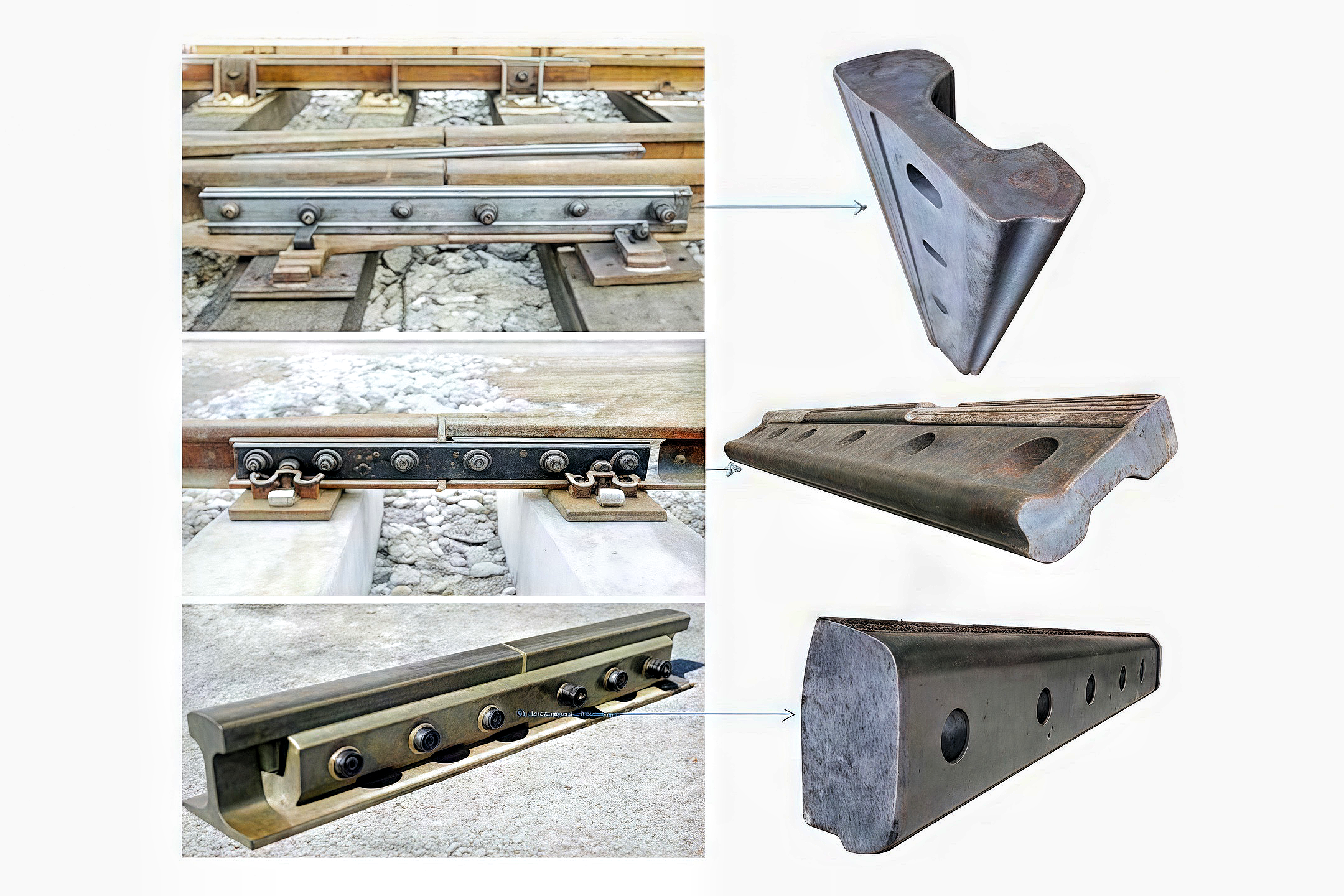
In essence, a rail fish plate is a flat strip of metal that is bolted to the ends of two adjoining rails. This not only helps to maintain the correct alignment of the rails but also allows for the safe transfer of forces from one rail to another as trains traverse the tracks. The proper installation of rail fish plates is vital for minimizing the risk of rail misalignment, which could lead to dangerous situations like derailments.
One of the primary functions of rail fish plates is to bridge the gap between two rail sections, which can expand and contract due to temperature variations. The material used for fish plates is typically steel, which is strong and resilient, ensuring durability under the heavy loads imposed by passing trains. Additionally, these components are designed to withstand the wear and tear of frequent use, contributing to the longevity of the railway infrastructure.
Another important aspect of rail fish plates is their role in the maintenance of track geometry. Properly aligned tracks are necessary for safe and efficient train operations. Fish plates help reduce the lateral movement of the rails, allowing for smoother transitions as trains navigate curves and switches within the railway system. This stability contributes to passenger comfort and minimizes wear on the rolling stock.
In terms of installation, the process involves aligning the ends of the rails, positioning the fish plate, and securing it with bolts. Regular inspections are necessary to ensure that fish plates are in good condition, as any wear or damage could compromise track safety. Railway maintenance teams often check for signs of looseness or corrosion, which can adversely affect the performance of fish plates over time.
In summary, rail fish plates are a fundamental part of railway track systems that ensure the alignment and stability of rails. They play a vital role in maintaining the safety and efficiency of train operations by connecting rail sections, allowing for thermal expansion, and minimizing rail movement. Understanding the importance of these components can help in appreciating the complexities involved in railway infrastructure and the continuous efforts made to ensure safe and reliable transportation.
Previous:
Recommended

Spring clips have been successfully shipped
Henan Xinda Railway Equipment Co., Ltd. successfully completed the production, quality inspection, packaging, and loading of its rail fastening clips, and has officially dispatched the shipment.
Contact Us
Henan Xinda Railway Equipment Co., Ltd
Fax: +86-372-2372333
Email:info@xindarail.com/aimee@xindarail.com
WeChat:XindaRail






Send us your request
we will get in touch with you as soon as possible