
Essential Insights into Rail Track Spikes: The Backbone of Railway Infrastructure
Mar 22,2026
Rail track spikes are integral components in the railway infrastructure, serving the crucial purpose of securing rail tracks to the underlying ties or sleepers. These spikes are designed to withstand various stresses and strains, ensuring that the railway system remains stable and safe for operation. Understanding the nuances of rail track spikes can significantly impact the overall safety and eff
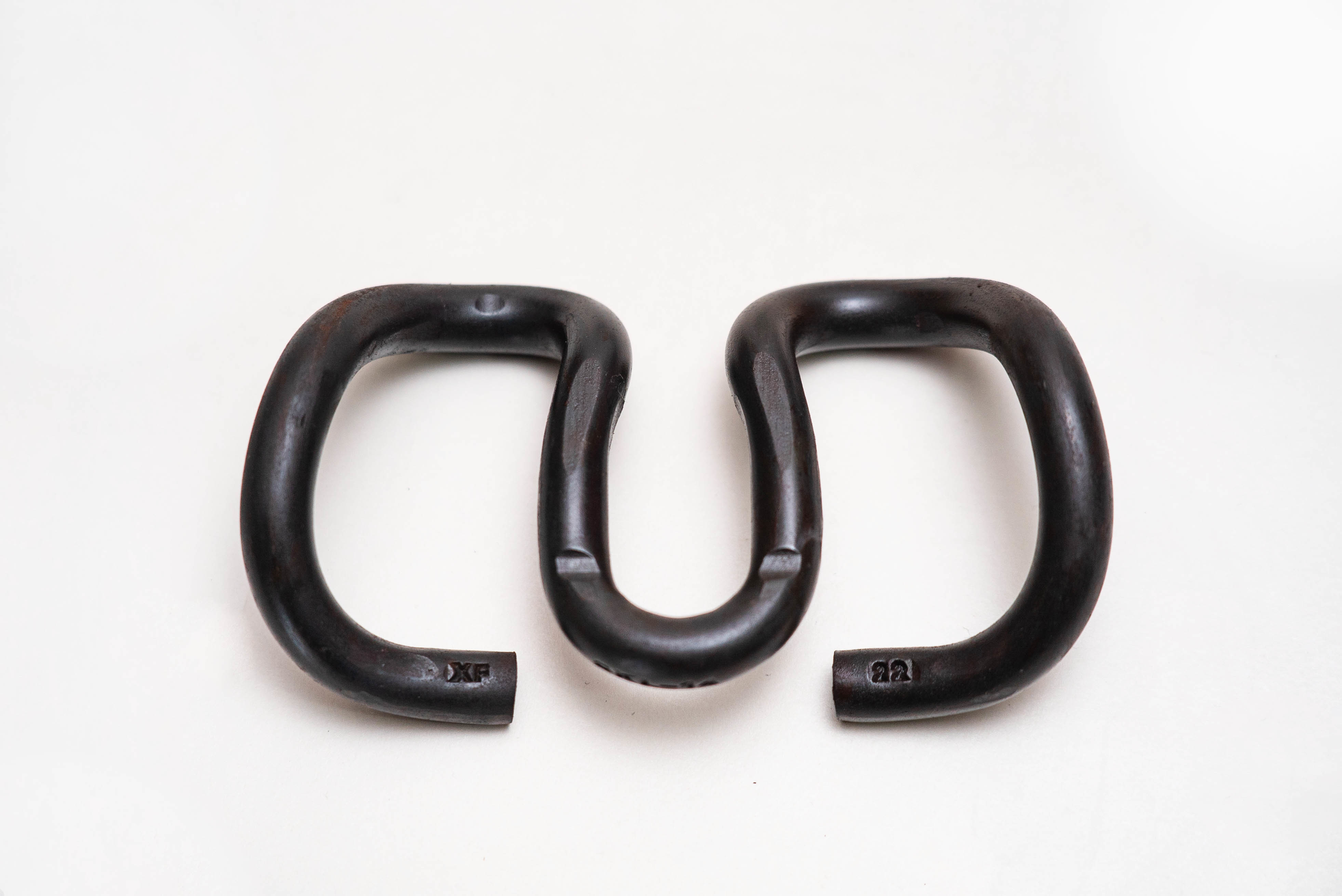
Rail track spikes come in various forms, with the most common types being cut spikes, screw spikes, and elastic spikes. Cut spikes are traditional, made from high-carbon steel, and are often driven into wooden ties. They are favored for their durability and ability to handle heavy loads. Screw spikes, on the other hand, feature a threaded design that provides superior holding power and can be installed with less effort compared to cut spikes. Elastic spikes, a more modern solution, utilize a spring-loaded mechanism that allows for some movement, helping to absorb shock and reduce wear on the tracks.
Installing rail track spikes requires precision and attention to detail. Professionals in the field must ensure that each spike is placed at the correct angle and depth to maintain the integrity of the track. Proper installation not only prevents misalignment but also minimizes the risk of derailments, which can have catastrophic consequences. Regular inspections and maintenance of spikes are equally essential. Over time, spikes can become loose or corroded due to environmental factors, leading to potential safety hazards.
Moreover, the choice of rail track spikes can also depend on the specific type of rail used and the environment in which the tracks are laid. For instance, in areas prone to extreme weather conditions, selecting the appropriate spike material can enhance longevity and performance. Furthermore, advancements in technology have led to the introduction of more innovative spike designs that offer increased resilience and reliability.
In conclusion, rail track spikes play a pivotal role in the overall functionality of railway systems. For professionals in the automotive and transportation safety sectors, understanding the various types, installation methods, and maintenance practices associated with rail track spikes is essential. A well-maintained rail system not only ensures the safety of passengers and cargo but also contributes to the efficiency and longevity of railway operations. By prioritizing the quality and installation of these key components, industry professionals can enhance the safety and reliability of the transportation networks they oversee.
Recommended

Xinda Introduces KB65 Railway Tie Plate – Now Available for Customer Orders
Xinda Railway Equipment Co., Ltd. has added the KB65 railway tie plate (baseplate) to its product portfolio, expanding the company's offering for customers operating under GOST standards.
Xinda Optimizes KB65 Railway Tie Plate – New Samples Available for Customer Testing
Xinda Railway Equipment Co., Ltd. has completed a new round of optimization for its KB65 railway tie plate, a key component used in railway fastening systems.
Contact Us
Henan Xinda Railway Equipment Co., Ltd
Fax: +86-372-2372333
Email:info@xindarail.com
WeChat:XindaRail






Send us your request
we will get in touch with you as soon as possible