

Understanding Railway Stud Bolts: Key Components for Industrial Applications
May 18,2026
Railway stud bolts are specialized fasteners designed to secure components in the railway industry. They typically feature a long threaded body, enabling them to be anchored into various structural elements, such as tracks, signaling equipment, and railcar bodies. Their design allows for high tensile strength, making them ideal for applications that experience significant stress and dynamic loads.
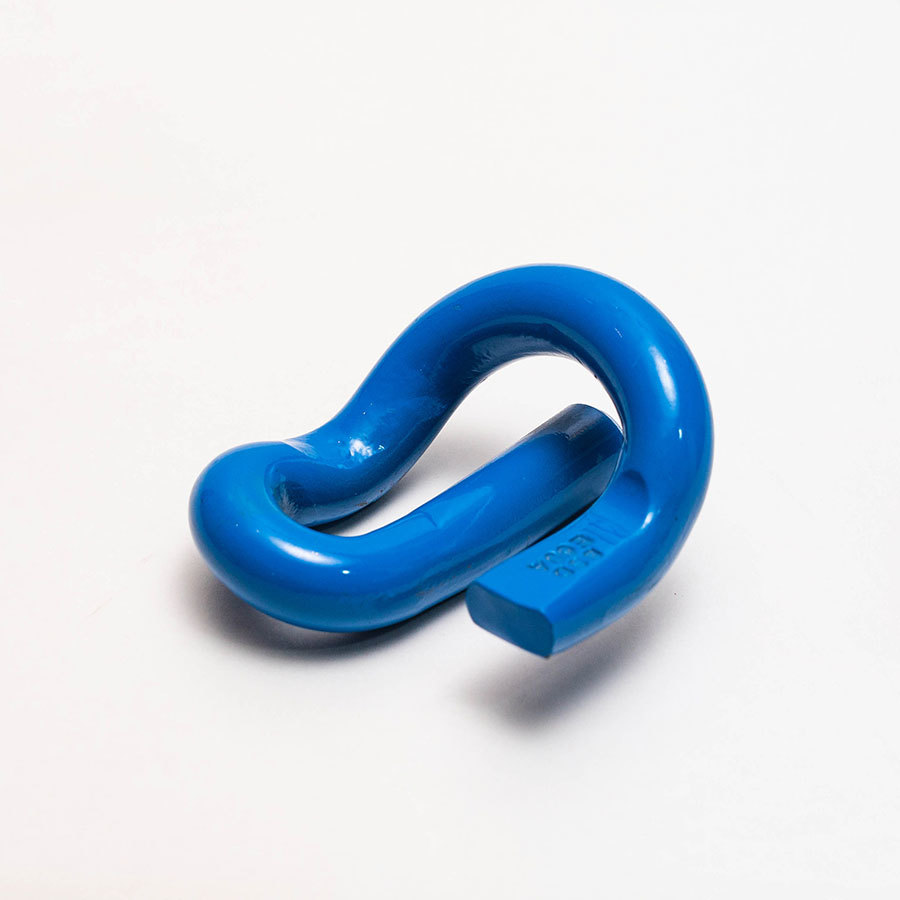
One of the significant advantages of railway stud bolts is their ability to withstand harsh environmental conditions. These fasteners are often subjected to moisture, temperature fluctuations, and exposure to chemicals. Therefore, it is essential to select materials that offer corrosion resistance, such as stainless steel or galvanized steel, to ensure longevity and reliability.
When considering railway stud bolts for specific applications, it is crucial to evaluate the required length and diameter. The size of the bolt must match the thickness of the materials being fastened. Additionally, the grade of the bolt should be selected based on the load it will bear. Higher-grade bolts provide better strength and durability, which is particularly important in high-traffic railway environments.
Another aspect to consider is the installation process. Proper installation of railway stud bolts is vital to prevent loosening and failure. Techniques such as torque specifications should be adhered to, ensuring that the bolts are tightened to the manufacturer's recommendations. This helps maintain the integrity of the connection and reduces the risk of accidents or equipment malfunction.
Regular maintenance and inspection of railway stud bolts are also essential. Over time, wear and tear can affect the performance of these fasteners. Routine checks can identify any signs of corrosion, deformation, or loosening, allowing for timely replacements before they lead to more significant issues.
In summary, railway stud bolts are crucial fasteners in the railway industry, ensuring safety and structural integrity across various applications. By understanding their features, material choices, and maintenance needs, industry professionals can make informed decisions that enhance operational efficiency and safety in railway systems. Whether you are responsible for the installation, maintenance, or inspection of railway components, a comprehensive understanding of railway stud bolts will empower you to effectively manage these critical elements of industrial equipment.
Recommended

Xinda Introduces KB65 Railway Tie Plate – Now Available for Customer Orders
Xinda Railway Equipment Co., Ltd. has added the KB65 railway tie plate (baseplate) to its product portfolio, expanding the company's offering for customers operating under GOST standards.
Xinda Optimizes KB65 Railway Tie Plate – New Samples Available for Customer Testing
Xinda Railway Equipment Co., Ltd. has completed a new round of optimization for its KB65 railway tie plate, a key component used in railway fastening systems.
Contact Us
Henan Xinda Railway Equipment Co., Ltd
Fax: +86-372-2372333
Email:info@xindarail.com
WeChat:XindaRail






Send us your request
we will get in touch with you as soon as possible