
The Essential Guide to Rail Fastening Systems: Enhancing Safety and Efficiency in Rail Transportation
May 25,2026
--- Rail fastening systems are a crucial component in the realm of rail transportation, ensuring the safe and efficient operation of trains across various terrains. These systems play a vital role in securing the rails to the underlying track structure, providing stability and support while minimizing wear and tear on both the rails and the sleepers (ties). Understanding the elements and functions
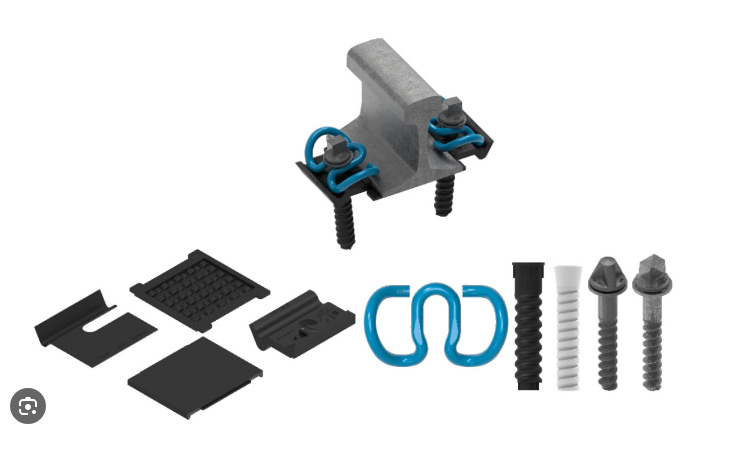
Rail fastening systems are a crucial component in the realm of rail transportation, ensuring the safe and efficient operation of trains across various terrains. These systems play a vital role in securing the rails to the underlying track structure, providing stability and support while minimizing wear and tear on both the rails and the sleepers (ties). Understanding the elements and functions of rail fastening systems can significantly enhance operational safety and efficiency.
At its core, a rail fastening system consists of several components designed to work harmoniously. The primary elements include the rail clips, which secure the rail to the sleepers, as well as washers, bolts, and rail pads that help distribute loads and reduce vibrations. These components are engineered to accommodate the dynamic forces exerted by passing trains, ensuring that the rails remain firmly in place even under adverse conditions.
There are various types of rail fastening systems tailored for different applications. The most common types include elastic fastenings, which utilize elastic materials to absorb vibrations and provide a flexible connection between the rail and the sleeper, and rigid fastenings, which offer a more solid connection but may not be as forgiving to dynamic loads. The choice between these systems often depends on factors such as the type of rail, the speed of the trains, and the environmental conditions of the railway line.
The maintenance of rail fastening systems is equally important. Over time, wear and fatigue can lead to a decrease in performance, potentially resulting in track misalignment and safety hazards. Regular inspections and timely replacements of worn components are essential to ensure that the fastening systems continue to function as intended. Innovative technologies, such as monitoring systems that use sensors to detect abnormal movements or stresses, are becoming increasingly popular in the industry for proactive maintenance.
Moreover, advancements in materials science have led to the development of more durable and resilient fastening components. These modern materials can withstand harsh environmental conditions, improving the longevity and reliability of the fastening systems. This continuous evolution in rail fastening technology is vital in meeting the growing demands of rail transportation, especially in high-speed rail networks.
In conclusion, rail fastening systems are integral to the safety and efficiency of rail transportation. By providing stability and support, these systems not only enhance the performance of railway operations but also contribute to the overall safety of passengers and cargo. Understanding the various types, components, and maintenance needs of these fastening systems can empower professionals in the rail industry to make informed decisions and promote best practices in rail infrastructure management.
Recommended

Spring clips have been successfully shipped
Henan Xinda Railway Equipment Co., Ltd. successfully completed the production, quality inspection, packaging, and loading of its rail fastening clips, and has officially dispatched the shipment.
Contact Us
Henan Xinda Railway Equipment Co., Ltd
Fax: +86-372-2372333
Email:info@xindarail.com/aimee@xindarail.com
WeChat:XindaRail






Send us your request
we will get in touch with you as soon as possible