
The Essential Guide to Rail Fastening Systems in Rail Transport
May 09,2025
Rail fastening systems play a vital role in the infrastructure of rail transport, ensuring that rails remain secure and aligned for safe operation. These systems are designed to connect the rails to their underlying support structure, typically concrete sleepers or wooden ties, while accommodating thermal expansion, vibrations, and other forces that the rail lines experience during operation. One
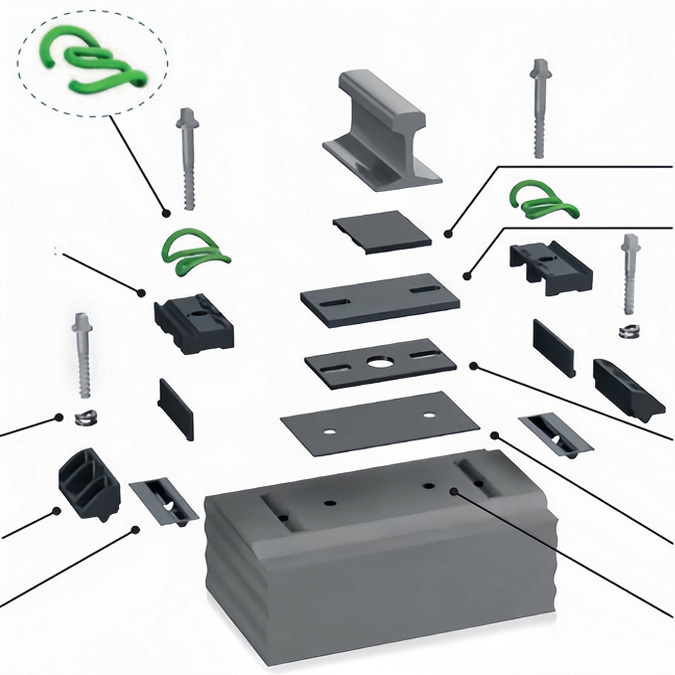
One of the primary types of rail fastening systems is the direct fastening system, which attaches the rail directly to the sleeper using clips or bolts. This design minimizes maintenance needs and enhances stability by reducing lateral movement. In contrast, indirect fastening systems utilize a combination of brackets and pads to provide cushioning and flexibility. These traditional systems are often used in areas where the track experiences more significant thermal expansion or ground movements.
Components of rail fastening systems generally include rail clips, elastic elements, and base plates. Rail clips are critical in holding the rail in place and can be made from various materials, including steel or plastic composites, depending on the specific requirements of the rail line. Elastic elements, such as rubber or polyurethane pads, act as shock absorbers, reducing noise and vibration, which can significantly enhance passenger comfort and prolong the lifespan of the rail components.
The selection of an appropriate rail fastening system is influenced by various factors, including the type of rail traffic (passenger versus freight), geographical conditions, and operational speeds. High-speed rail lines, for instance, require fastening systems that can withstand higher forces and provide greater stability. This is where the importance of advanced engineering and materials science comes into play, as innovations continue to improve the efficacy and durability of these systems.
In addition to enhancing safety and performance, effective rail fastening systems contribute to the overall economic efficiency of rail operations. By minimizing wear and tear on tracks, rail operators can reduce maintenance costs and downtime, facilitating a more reliable service for passengers and freight alike.
In conclusion, rail fastening systems are fundamental to the integrity and functionality of rail networks. Understanding their components, types, and applications allows industry professionals to make informed decisions that impact safety, efficiency, and overall performance in rail transportation. With ongoing advancements in technology and materials, the future of rail fastening systems looks promising, paving the way for safer and more efficient rail travel for generations to come.
Recommended

Xinda Introduces KB65 Railway Tie Plate – Now Available for Customer Orders
Xinda Railway Equipment Co., Ltd. has added the KB65 railway tie plate (baseplate) to its product portfolio, expanding the company's offering for customers operating under GOST standards.
Xinda Optimizes KB65 Railway Tie Plate – New Samples Available for Customer Testing
Xinda Railway Equipment Co., Ltd. has completed a new round of optimization for its KB65 railway tie plate, a key component used in railway fastening systems.
Contact Us
Henan Xinda Railway Equipment Co., Ltd
Fax: +86-372-2372333
Email:info@xindarail.com
WeChat:XindaRail






Send us your request
we will get in touch with you as soon as possible