
Understanding Rail Elastomers: Essential Insights for the Rail Transport Industry
Apr 15,2025
Rail elastomers are specialized materials that are integral to the functionality and durability of rail transport systems. These polymers, which exhibit both elastic and rubber-like properties, are used primarily in the construction of railway components. Understanding the significance of rail elastomers can provide insights into optimizing rail transport systems, ensuring enhanced safety and perf
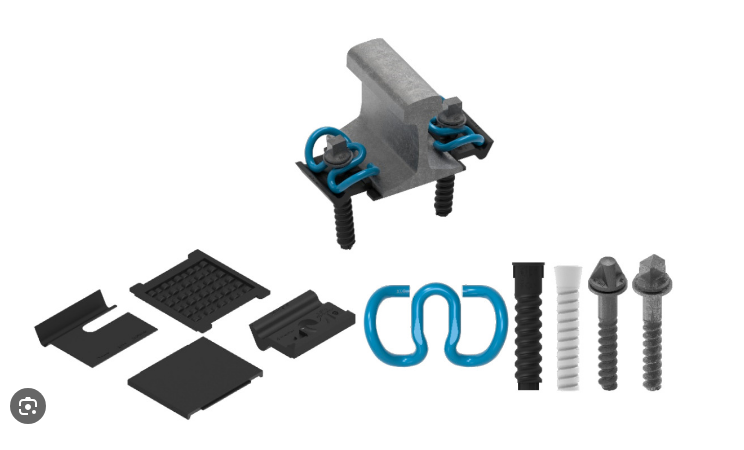
One of the primary characteristics of rail elastomers is their ability to absorb vibrations and shocks. This property is crucial in minimizing noise and ensuring passenger comfort during transit. The usage of rail elastomers in rail pads, for instance, helps to dampen vibrations between the rail and the sleeper (the support structure beneath the rail). This not only prolongs the life of the track but also reduces maintenance costs over time.
Additionally, rail elastomers are engineered to withstand various environmental conditions. They are resistant to UV radiation, ozone, and other chemicals commonly found in railway environments. This durability ensures that components made from rail elastomers maintain their integrity and performance even under harsh conditions, contributing to the overall reliability of rail transport systems.
In terms of application, rail elastomers have found their way into various components of rail systems, including bumpers, gaskets, and vibration isolators. Their versatility makes them suitable for both heavy and light rail systems, catering to the diverse needs of the rail industry. Moreover, advancements in elastomer technology have led to the development of materials with enhanced properties, such as improved thermal stability and lower creep rates, which are essential for high-speed rail applications.
From a sustainability perspective, the development of eco-friendly rail elastomers is an emerging trend. Manufacturers are increasingly focusing on creating materials that not only meet performance standards but also minimize environmental impact. This shift not only addresses regulatory requirements but also aligns with the growing demand for greener transport solutions.
In conclusion, understanding rail elastomers is essential for professionals in the rail transport equipment industry. Their unique properties, applications, and resilience make them a vital component in ensuring efficient and safe rail transport systems. As the industry continues to evolve, staying informed about advancements in rail elastomer technology will be critical for enhancing operational efficiency and maintaining competitiveness in the market.
Recommended

Xinda Introduces KB65 Railway Tie Plate – Now Available for Customer Orders
Xinda Railway Equipment Co., Ltd. has added the KB65 railway tie plate (baseplate) to its product portfolio, expanding the company's offering for customers operating under GOST standards.
Xinda Optimizes KB65 Railway Tie Plate – New Samples Available for Customer Testing
Xinda Railway Equipment Co., Ltd. has completed a new round of optimization for its KB65 railway tie plate, a key component used in railway fastening systems.
Contact Us
Henan Xinda Railway Equipment Co., Ltd
Fax: +86-372-2372333
Email:info@xindarail.com
WeChat:XindaRail






Send us your request
we will get in touch with you as soon as possible