
Understanding Rail Track Spikes: Key Components for Transportation Safety
Apr 25,2025
Rail track spikes, also known as railroad spikes, are essential components in the construction and maintenance of railway tracks. Their primary function is to secure the rail to the sleeper (or tie), ensuring that the rails remain aligned and stable under the weight of passing trains. The reliability of rail track spikes directly influences the overall safety and efficiency of rail transportation,
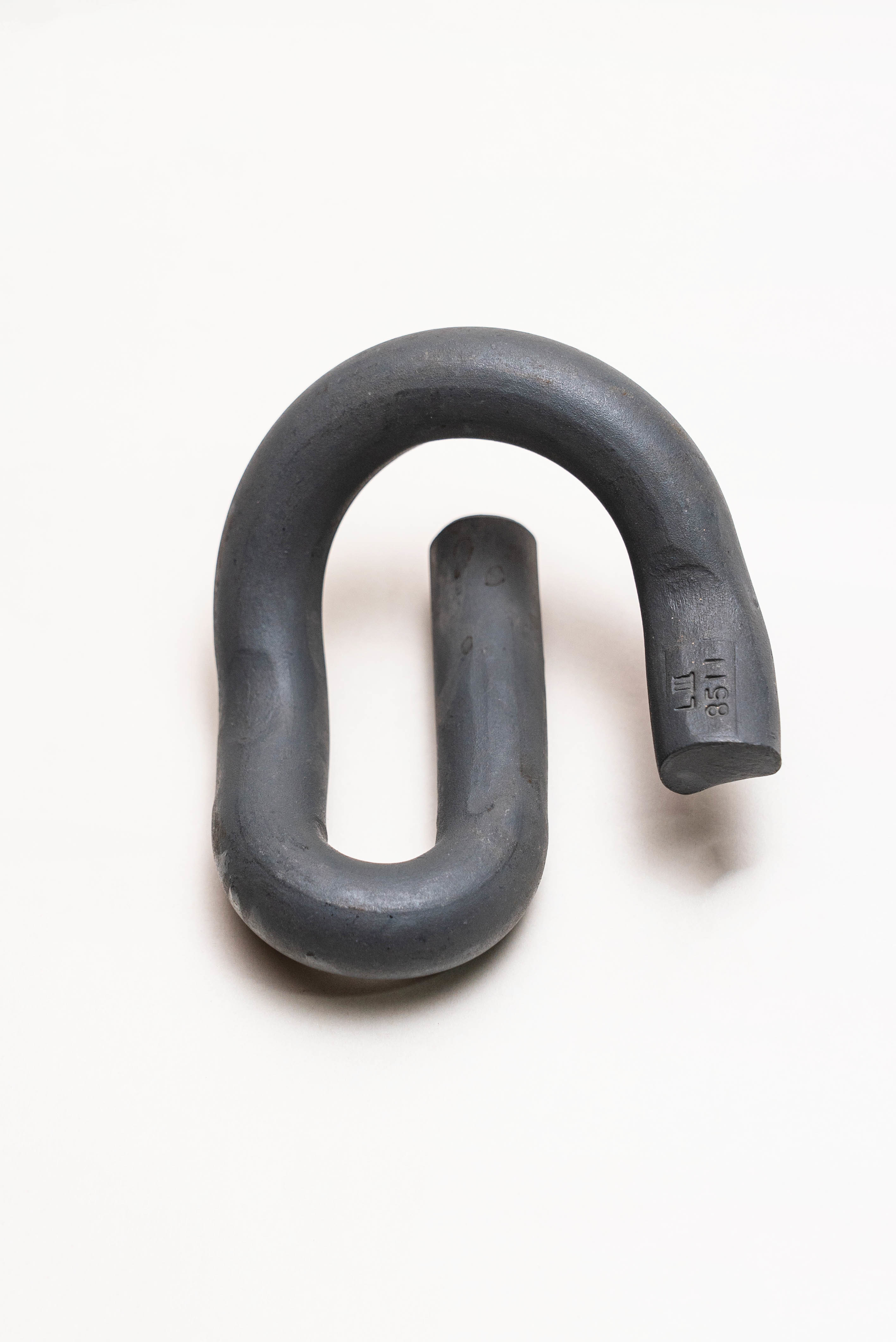
Typically made from steel, rail track spikes come in various designs to accommodate different types of rail systems and track configurations. The most common spike type is the cut spike, which features a tapered point for easy insertion into wooden or concrete ties. Other designs include the screw spike, which provides enhanced stability through a threaded mechanism, and the welded rail spike, which is used for bolted rail connections. The choice among these types depends on factors such as the type of rail, the load it will bear, and environmental conditions.
One of the essential aspects of rail track spikes is their installation. Proper installation is crucial to ensure the longevity and effectiveness of the spikes. Incorrectly installed spikes can lead to misalignment of the rails, potentially causing derailments and compromising the safety of train operations. To mitigate these risks, it is vital to follow best practices during the installation process, including using the correct spike type for the specific rail and ensuring that spikes are driven in at the appropriate angle and depth.
Maintenance is another pivotal aspect of rail track spike management. Regular inspections should be conducted to assess the condition of the spikes and the surrounding track infrastructure. Signs of wear, corrosion, or loosening should be addressed promptly to avoid catastrophic failures. In addition, it's essential to monitor the integrity of the ties, as degraded ties can lead to increased stress on the spikes, further exacerbating wear and tear.
In conclusion, rail track spikes serve as a fundamental element in the railway infrastructure, directly impacting the safety and reliability of rail transport. Understanding the types, functions, and maintenance requirements of these components is crucial for professionals in the automotive and transportation safety equipment sectors. By prioritizing proper installation and routine maintenance of rail track spikes, we can ensure a safer and more efficient railway system for future generations. In doing so, we reinforce the integrity of our transportation networks, promoting seamless connectivity across regions.
Previous:
Recommended

Xinda Introduces KB65 Railway Tie Plate – Now Available for Customer Orders
Xinda Railway Equipment Co., Ltd. has added the KB65 railway tie plate (baseplate) to its product portfolio, expanding the company's offering for customers operating under GOST standards.
Xinda Optimizes KB65 Railway Tie Plate – New Samples Available for Customer Testing
Xinda Railway Equipment Co., Ltd. has completed a new round of optimization for its KB65 railway tie plate, a key component used in railway fastening systems.
Contact Us
Henan Xinda Railway Equipment Co., Ltd
Fax: +86-372-2372333
Email:info@xindarail.com
WeChat:XindaRail






Send us your request
we will get in touch with you as soon as possible