

Understanding the Critical Role of Rail Track Spikes in Ensuring Safety
Apr 08,2025
Understanding the Critical Role of Rail Track Spikes in Ensuring Safety Table of Contents 1. Introduction to Rail Track Spikes 2. The Importance of Rail Track Spikes in Railway Safety 2.1 Maintaining Structural Integrity 2.2 Reducing Vibration and Movement 2.3 Preventing Derailments 3. Types of Rail Track Spikes
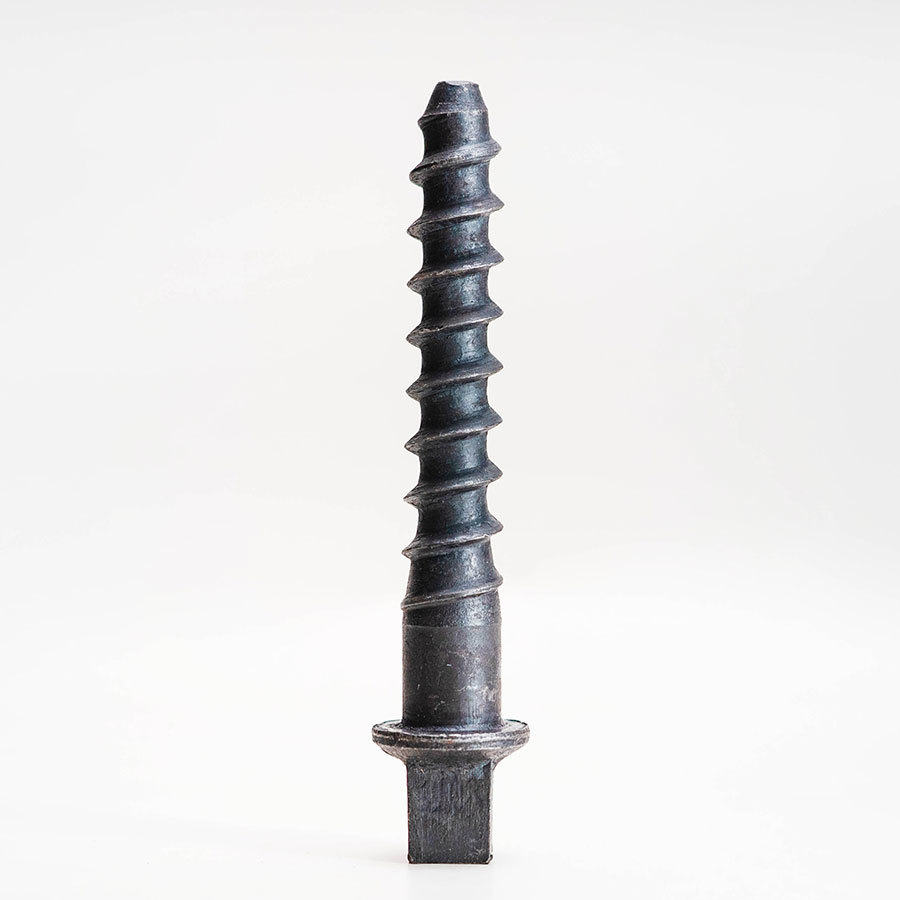
Understanding the Critical Role of Rail Track Spikes in Ensuring Safety
Table of Contents
- 1. Introduction to Rail Track Spikes
- 2. The Importance of Rail Track Spikes in Railway Safety
- 3. Types of Rail Track Spikes
- 4. Material Composition of Rail Track Spikes
- 5. Proper Installation Techniques for Rail Track Spikes
- 6. Maintenance of Rail Track Spikes
- 7. Future Trends in Rail Track Spike Technology
- 8. Frequently Asked Questions
- 9. Conclusion
1. Introduction to Rail Track Spikes
Rail track spikes are essential components of railway infrastructure, serving a crucial function in the stability and safety of rail systems. These small yet mighty fasteners secure rail tracks to wooden or concrete ties, ensuring that the tracks remain aligned and stable under various conditions. The correct installation and maintenance of rail track spikes can significantly impact the efficiency and safety of train operations.
2. The Importance of Rail Track Spikes in Railway Safety
Rail track spikes are more than just fasteners; they play a pivotal role in maintaining safety throughout the rail network. Let us explore their importance in detail.
2.1 Maintaining Structural Integrity
One of the primary functions of rail track spikes is to maintain the structural integrity of the railroad. By securely fastening the rail to the ties, spikes help prevent the lateral movement of tracks, which can occur due to train vibrations, changes in temperature, or external forces such as wind. A well-anchored track minimizes the risk of misalignment, which can lead to serious accidents.
2.2 Reducing Vibration and Movement
Train operations generate considerable vibrations. Rail track spikes dampen these vibrations, reducing the likelihood of wear and tear on both tracks and trains. By absorbing and mitigating these forces, spikes help prolong the lifespan of rail infrastructure and enhance passenger comfort.
2.3 Preventing Derailments
Derailments can have catastrophic consequences. A properly installed and maintained rail spike system significantly lowers the risk of derailment by ensuring that the tracks remain stable and secure. In essence, effective fastening through spikes contributes to the overall safety of rail travel.
3. Types of Rail Track Spikes
Understanding the various types of rail track spikes available is crucial for selecting the right fasteners for specific applications. Below are the most common types:
3.1 Driving Spikes
Driving spikes are designed for use with wooden ties. They feature a pointed tip that facilitates easy penetration into the tie. These spikes are often utilized in traditional rail systems due to their effectiveness and reliability.
3.2 Lag Screws
Lag screws, often used in combination with other fastening systems, provide exceptional holding power. Their larger diameter and coarse thread design allow them to grip securely into ties, making them an excellent choice for areas with high traffic or severe weather conditions.
3.3 Spike Nails
Spike nails are shorter and have a wider head, which helps distribute the load across the tie. They are particularly effective in environments where vibration levels are moderate but need to maintain rail stability.
4. Material Composition of Rail Track Spikes
The material used in rail track spikes is essential to their performance and longevity. Most rail spikes are made from high-carbon steel, known for its durability and resistance to wear. Some advanced spikes may also incorporate coatings, such as zinc plating or galvanization, to enhance corrosion resistance, especially in harsh weather conditions. The choice of material must align with environmental factors and the specific requirements of the rail network.
5. Proper Installation Techniques for Rail Track Spikes
Correct installation is vital for the performance of rail spikes. Below are essential steps to ensure proper installation.
5.1 Tools Required for Installation
Before starting, gather the following tools:
- Hammer or pneumatic spike driver
- Crowbar or track pry bar
- Measuring tape
- Level
- Personal protective equipment (PPE)
5.2 Step-by-Step Installation Process
1. **Preparation**: Clear the area around the rail ties and inspect the condition of the ties and rails.
2. **Alignment**: Ensure the rails are aligned correctly before fastening.
3. **Spike Placement**: Position the spike at a 45-degree angle, inserting it into the tie.
4. **Driving the Spike**: Use a hammer or spike driver to drive the spike securely into the tie. Ensure it is flush with the rail base.
5. **Check Stability**: After installation, double-check for alignment and stability. Make any necessary adjustments.
6. Maintenance of Rail Track Spikes
Regular maintenance is essential to ensure the longevity and effectiveness of rail track spikes. Here are some key maintenance practices:
- **Routine Inspections**: Conduct regular visual inspections to identify any loose or damaged spikes.
- **Re-tightening**: Over time, spikes can loosen due to vibrations. Regularly re-tightening them can prevent misalignment.
- **Replacement**: If spikes are worn or damaged, replace them promptly to avoid safety risks.
7. Future Trends in Rail Track Spike Technology
As railway technology continues to advance, so does the design and manufacture of rail track spikes. Innovations such as the use of composite materials and smart technology for monitoring spike integrity are emerging. These advancements aim to enhance safety and reduce maintenance costs, ensuring that rail networks remain efficient and secure.
8. Frequently Asked Questions
1. What is the main function of rail track spikes?
Rail track spikes secure the rail to ties, maintaining alignment and stability, which is crucial for safe train operations.
2. How often should rail track spikes be inspected?
Regular inspections are recommended every few months, with more frequent checks in high-traffic areas.
3. Can rail spikes be reused?
While it is possible to reuse rail spikes, it is advisable to inspect them thoroughly for wear and damage before considering reuse.
4. What materials are rail track spikes made from?
Most rail spikes are made from high-carbon steel, with some incorporating protective coatings for enhanced durability.
5. What are the signs of a faulty rail spike?
Signs include visible rust, looseness, or misalignment of the rail, which could indicate that the spike needs replacement.
9. Conclusion
In conclusion, rail track spikes play a pivotal role in ensuring the safety and stability of railway systems. Their importance cannot be overstated, as they are essential for maintaining structural integrity, reducing vibrations, and preventing derailments. Understanding the various types of spikes, their material composition, and proper installation and maintenance techniques is crucial for anyone involved in railway operations. As we look to the future, advancements in spike technology promise to improve safety and efficiency in rail transport, ensuring that we can continue to rely on this vital mode of transportation.
Recommended

Xinda Introduces KB65 Railway Tie Plate – Now Available for Customer Orders
Xinda Railway Equipment Co., Ltd. has added the KB65 railway tie plate (baseplate) to its product portfolio, expanding the company's offering for customers operating under GOST standards.
Xinda Optimizes KB65 Railway Tie Plate – New Samples Available for Customer Testing
Xinda Railway Equipment Co., Ltd. has completed a new round of optimization for its KB65 railway tie plate, a key component used in railway fastening systems.
Contact Us
Henan Xinda Railway Equipment Co., Ltd
Fax: +86-372-2372333
Email:info@xindarail.com
WeChat:XindaRail






Send us your request
we will get in touch with you as soon as possible