
Understanding the Importance of Rail Fastening Systems in Modern Transport
Apr 12,2025
Understanding the Importance of Rail Fastening Systems in Modern Transport Table of Contents 1. Introduction to Rail Fastening Systems 2. Why Rail Fastening Systems Are Crucial for Safety 3. Types of Rail Fastening Systems 3.1 Bolted Rail Fastening Systems 3.2 Welded Rail Fastening Systems 3.3 Clip Rail Fastening Systems 4. App
Understanding the Importance of Rail Fastening Systems in Modern Transport
Table of Contents
- 1. Introduction to Rail Fastening Systems
- 2. Why Rail Fastening Systems Are Crucial for Safety
- 3. Types of Rail Fastening Systems
- 4. Applications of Rail Fastening Systems in Various Environments
- 5. Installation and Maintenance of Rail Fastening Systems
- 6. Future Innovations in Rail Fastening Technology
- 7. Case Studies: Successful Implementation of Rail Fastening Systems
- 8. Frequently Asked Questions
- 9. Conclusion
1. Introduction to Rail Fastening Systems
Rail fastening systems are integral components of railway infrastructure, designed to secure the rails to the track structure. These systems ensure the stability and alignment of rail tracks, facilitating the safe and efficient operation of trains. The significance of rail fastening systems in modern transport cannot be overstated, as they contribute not just to the physical integrity of the railway network but also to the overall safety of rail operations.
2. Why Rail Fastening Systems Are Crucial for Safety
The safety of rail transport is paramount, and rail fastening systems play a pivotal role in this regard. By firmly holding the rails in place, these systems prevent derailments caused by track movement. Moreover, they minimize vibrations and noise, which can negatively impact both the train's performance and the surrounding environment. A well-designed fastening system contributes to a smoother ride, enhancing passenger comfort and cargo security.
3. Types of Rail Fastening Systems
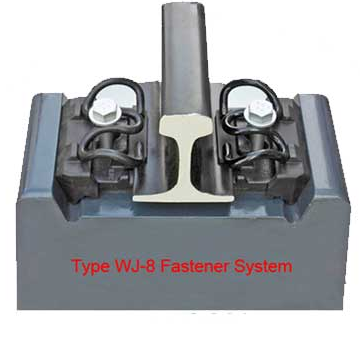
There are several types of rail fastening systems, each designed for specific applications and track conditions. Understanding these types is essential for selecting the right system for a given railway project.
3.1 Bolted Rail Fastening Systems
Bolted rail fastening systems are widely used, featuring bolts that connect the rail to the sleeper (the base support for the track). This design provides robust stability and is particularly effective in areas with heavy traffic. The primary advantage of bolted systems is their ease of maintenance; individual components can be replaced without major disruption to rail operations.
3.2 Welded Rail Fastening Systems
Welded rail fastening systems involve the permanent bonding of rails to the sleepers through welding. This method creates a seamless connection that enhances the structural integrity of the track. Welded systems are ideal for high-speed rail applications, where reducing track joint gaps is crucial for safety and performance.
3.3 Clip Rail Fastening Systems
Clip rail fastening systems utilize elastic clips to secure the rails to the sleepers. This innovative design allows for rail expansion and contraction due to temperature changes, minimizing the risk of track buckling. Clip systems are particularly effective in dynamic environments and are increasingly popular in urban transit applications.
4. Applications of Rail Fastening Systems in Various Environments
Rail fastening systems are employed across diverse contexts, from high-speed rail networks to urban transit systems. Their adaptability makes them suitable for various applications:
- **High-Speed Rail**: These systems are engineered to withstand the stresses of rapid transit, ensuring stability and safety at high velocities.
- **Urban Transit**: In cities, where space is at a premium, fastening systems must accommodate tight curves and frequent stops, while maintaining safety and performance.
- **Freight Transport**: Rail fastening systems used in freight applications must support heavy loads and withstand varying weather conditions, ensuring reliability over long-distance transportation.
5. Installation and Maintenance of Rail Fastening Systems
Proper installation of rail fastening systems is essential for optimal performance. This process involves precise alignment and secure fastening to maintain track integrity. Regular maintenance checks are equally important, as they identify potential wear and tear before they lead to safety issues. Maintenance tasks may include tightening bolts, inspecting clips for wear, and ensuring that welds remain intact.
6. Future Innovations in Rail Fastening Technology
The future of rail fastening systems looks promising, with ongoing research and development aimed at enhancing performance and safety. Innovations include the integration of smart technologies, which can monitor track conditions in real-time, and the use of advanced materials that offer improved durability and reduced maintenance needs. These developments will play a crucial role in meeting the demands of modern rail transport.
7. Case Studies: Successful Implementation of Rail Fastening Systems
Examining successful implementations of rail fastening systems provides valuable insights into best practices and lessons learned. For example, the integration of clip fastening systems in urban rail networks has significantly improved ride quality and reduced maintenance costs. Additionally, countries investing in high-speed rail infrastructure have reported enhanced safety and efficiency through the use of welded rail systems.
8. Frequently Asked Questions
What is the primary function of rail fastening systems?
Rail fastening systems secure rails to the track structure, ensuring stability and safety for trains.
How often should rail fastening systems be inspected?
Regular inspections are recommended, typically every six months, to identify wear and ensure optimal performance.
Can rail fastening systems be used in extreme weather conditions?
Yes, many modern fastening systems are designed to withstand extreme temperatures and weather conditions, ensuring reliability.
What are the advantages of using welded rail fastening systems?
Welded rail systems enhance structural integrity, reduce maintenance needs, and are ideal for high-speed rail applications.
How do I choose the right rail fastening system for my project?
Selecting the right system involves assessing factors such as traffic volume, environmental conditions, and specific project requirements.
9. Conclusion
In conclusion, rail fastening systems are a critical component of modern transport infrastructure, providing the stability and safety necessary for efficient rail operations. Understanding their importance, types, and applications allows stakeholders to make informed decisions about railway projects. As technology advances, the future of rail fastening systems promises to enhance both safety and performance, ensuring that rail transport continues to be a reliable mode of transportation for years to come. The continued evolution in design and technology will help meet the growing demands of the industry, further solidifying the role of rail fastening systems in modern transportation solutions.
Recommended

Xinda Introduces KB65 Railway Tie Plate – Now Available for Customer Orders
Xinda Railway Equipment Co., Ltd. has added the KB65 railway tie plate (baseplate) to its product portfolio, expanding the company's offering for customers operating under GOST standards.
Xinda Optimizes KB65 Railway Tie Plate – New Samples Available for Customer Testing
Xinda Railway Equipment Co., Ltd. has completed a new round of optimization for its KB65 railway tie plate, a key component used in railway fastening systems.
Contact Us
Henan Xinda Railway Equipment Co., Ltd
Fax: +86-372-2372333
Email:info@xindarail.com
WeChat:XindaRail






Send us your request
we will get in touch with you as soon as possible