

Understanding Railway Stud Bolts: Essential Components for Industrial Applications
Aug 24,2025
Railway stud bolts are specialized fasteners widely used in the railway and industrial sectors. These bolts play a crucial role in ensuring the structural integrity and safety of various applications, from railway tracks to heavy machinery. Understanding their design, functionality, and applications can help industries make informed decisions when selecting the right components for their projects.
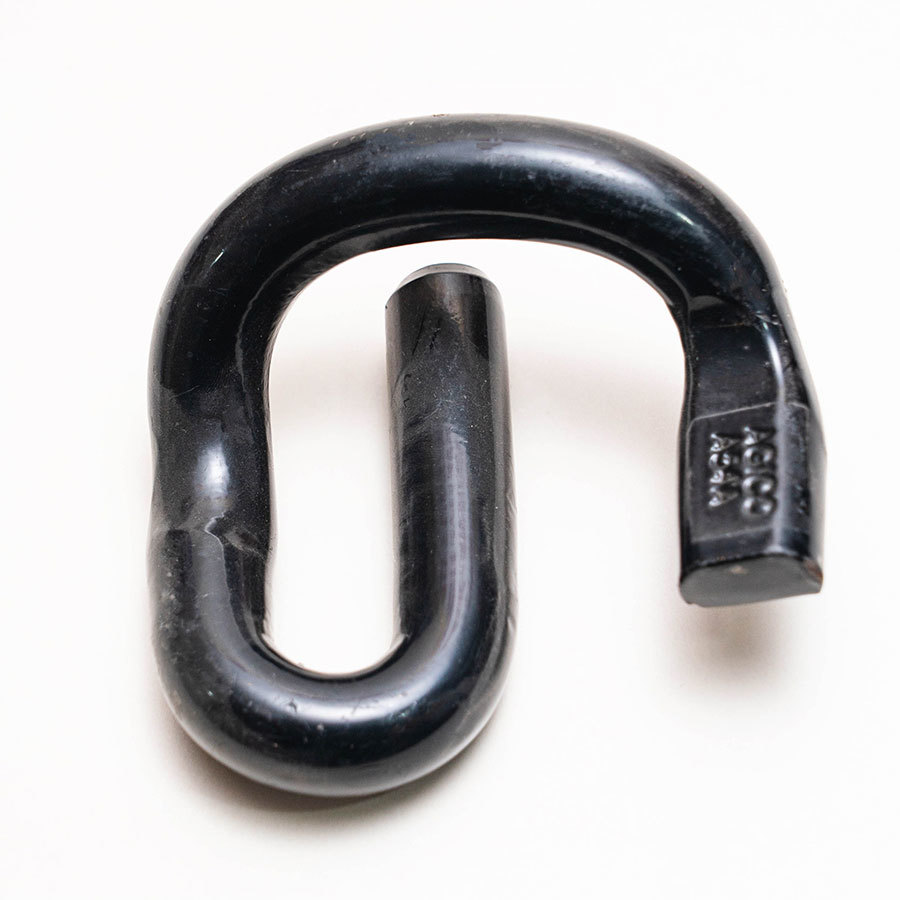
Typically made from high-strength materials, railway stud bolts are designed to withstand significant loads and environmental stresses. Their robust construction ensures that they can endure the rigors of heavy-duty applications, making them an ideal choice for railway systems that require durability and reliability. The bolts are characterized by their threaded design, which allows for secure fastening and easy installation. This threading also enables them to be used in conjunction with various nuts and washers, creating a strong joint that can handle dynamic loads.
One of the most critical aspects of railway stud bolts is their versatility. They can be used in various settings, including securing track components, anchoring heavy machinery, and even in construction applications. The adaptability of these bolts makes them an essential component in the industrial fastening landscape.
When it comes to installation, proper torque specifications are vital to ensure the integrity of the joint. Over-tightening or under-tightening can lead to joint failure, potentially resulting in safety hazards. Therefore, it is essential to follow manufacturer guidelines and use calibrated tools during installation. Additionally, regular inspections are recommended to monitor the condition of the bolts and to replace any that show signs of wear or damage.
The choice of material is another crucial factor when selecting railway stud bolts. Different environments may require bolts that can resist corrosion, temperature fluctuations, and other external factors. For instance, in coastal areas where saltwater exposure is prevalent, selecting bolts made of corrosion-resistant materials is essential for maintaining long-term performance.
In conclusion, railway stud bolts are indispensable components in the industrial equipment and fastening sectors. Their ability to provide secure connections under heavy loads and adverse conditions makes them a go-to choice for numerous applications. By understanding their features and adhering to proper installation practices, industries can enhance the reliability and safety of their operations. Whether you are involved in railway construction or heavy machinery assembly, considering the role of railway stud bolts in your projects is essential for achieving optimal results.
Recommended

Xinda Introduces KB65 Railway Tie Plate – Now Available for Customer Orders
Xinda Railway Equipment Co., Ltd. has added the KB65 railway tie plate (baseplate) to its product portfolio, expanding the company's offering for customers operating under GOST standards.
Xinda Optimizes KB65 Railway Tie Plate – New Samples Available for Customer Testing
Xinda Railway Equipment Co., Ltd. has completed a new round of optimization for its KB65 railway tie plate, a key component used in railway fastening systems.
Contact Us
Henan Xinda Railway Equipment Co., Ltd
Fax: +86-372-2372333
Email:info@xindarail.com
WeChat:XindaRail






Send us your request
we will get in touch with you as soon as possible