
Understanding the Importance of Rail Fish Plates in Rail Transportation
Oct 19,2025
Rail fish plates, often referred to simply as fish plates, are critical components in rail transportation systems. They serve as connectors between two adjacent rail sections, allowing for a seamless and stable rail track. This connection is essential for maintaining the integrity of the track structure, especially in areas where tracks experience significant stress due to train movements. Underst
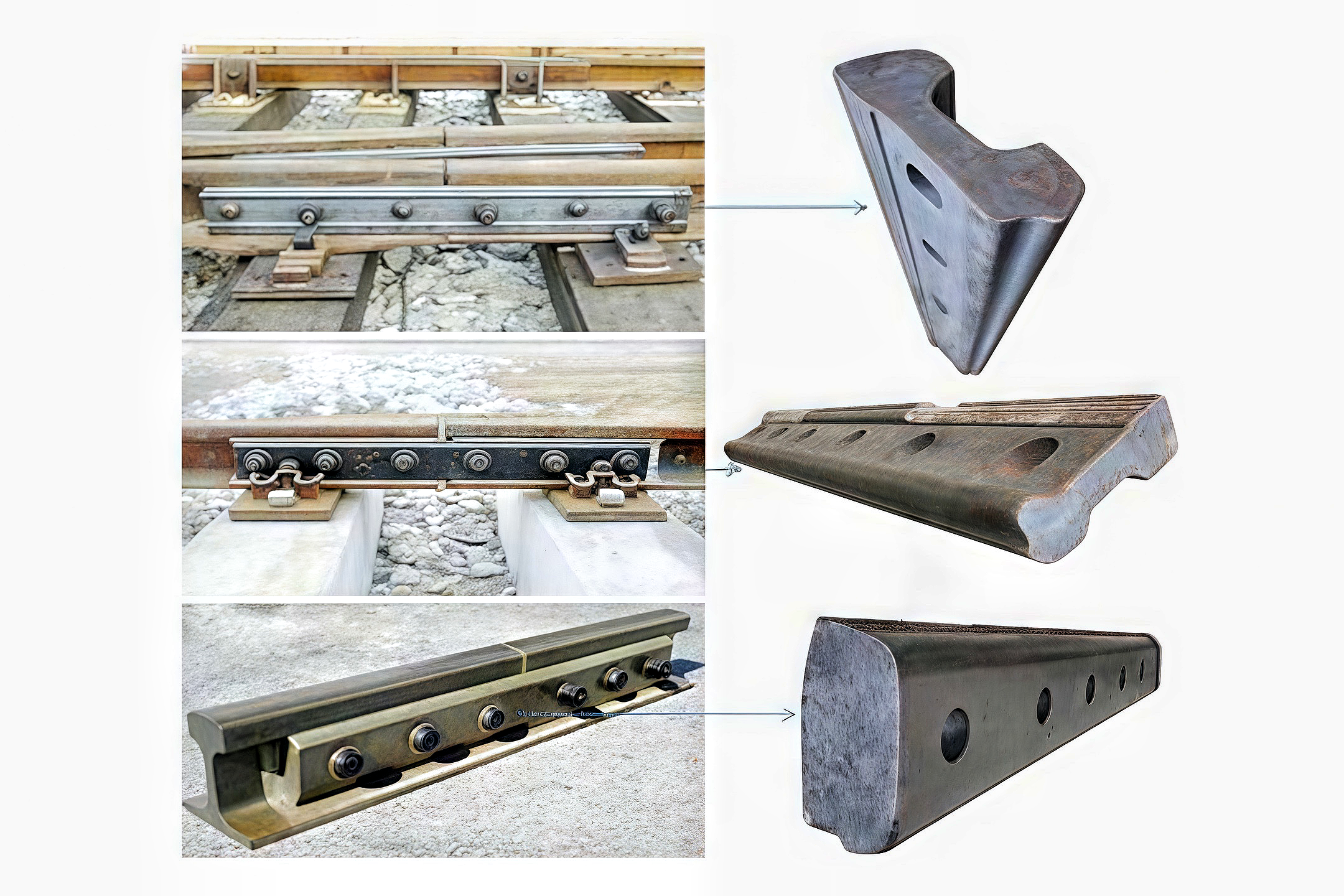
First and foremost, rail fish plates provide essential support to the rails. They help distribute the load from the trains evenly across the track, minimizing the risk of rail deformation and ensuring smoother rides. By preventing misalignments and maintaining the correct gauge between rails, fish plates play a pivotal role in ensuring the safety of rail operations. Without them, the risk of derailments or structural failures could increase significantly, leading to potentially catastrophic outcomes.
In addition to their structural importance, the materials used for rail fish plates are also a topic of interest. Typically, they are made from high-strength steel, which offers durability and resistance to wear and tear. The choice of material can affect the longevity of the fish plates and, consequently, the overall maintenance requirements of the rail system. Regular inspection and replacement of worn fish plates are necessary to uphold track integrity and operational safety.
Another key aspect of rail fish plates is their installation and maintenance. Proper installation techniques ensure that the fish plates are aligned correctly and securely fastened to the rails. Regular maintenance checks can identify signs of wear, corrosion, or misalignment, allowing for timely repairs and replacements. Professionals in the rail transportation sector must prioritize these checks to mitigate risks and enhance the durability of the track infrastructure.
Moreover, advancements in technology have led to innovative designs and materials for rail fish plates. Industry experts are continually researching ways to improve the effectiveness and lifespan of these components. This includes exploring corrosion-resistant materials and designs that facilitate easier maintenance and installation. Keeping abreast of these developments can benefit professionals looking to enhance their rail systems.
In summary, rail fish plates are fundamental elements that significantly contribute to the safety and efficiency of rail transportation. Their role in connecting rail sections, distributing loads, and maintaining track integrity cannot be overstated. For professionals in the field, understanding the importance of these components and staying informed about best practices for their maintenance and installation is crucial for the success of any rail operation. By prioritizing the care of rail fish plates, industry stakeholders can help ensure the longevity and reliability of their rail systems.
Recommended

Xinda Introduces KB65 Railway Tie Plate – Now Available for Customer Orders
Xinda Railway Equipment Co., Ltd. has added the KB65 railway tie plate (baseplate) to its product portfolio, expanding the company's offering for customers operating under GOST standards.
Xinda Optimizes KB65 Railway Tie Plate – New Samples Available for Customer Testing
Xinda Railway Equipment Co., Ltd. has completed a new round of optimization for its KB65 railway tie plate, a key component used in railway fastening systems.
Contact Us
Henan Xinda Railway Equipment Co., Ltd
Fax: +86-372-2372333
Email:info@xindarail.com
WeChat:XindaRail





Send us your request
we will get in touch with you as soon as possible