
Why Rail Fish Plates are Essential for Efficient Train Operations
Oct 23,2025
Why Rail Fish Plates are Essential for Efficient Train Operations Introduction to Rail Fish Plates Rail fish plates, often referred to as rail joints or splice plates, are an integral component of railway tracks. Their primary function is to connect two sections of rail, ensuring a smooth transition for trains while maintaining structural integrity. This article delves into the importance of rai
Why Rail Fish Plates are Essential for Efficient Train Operations
Introduction to Rail Fish Plates
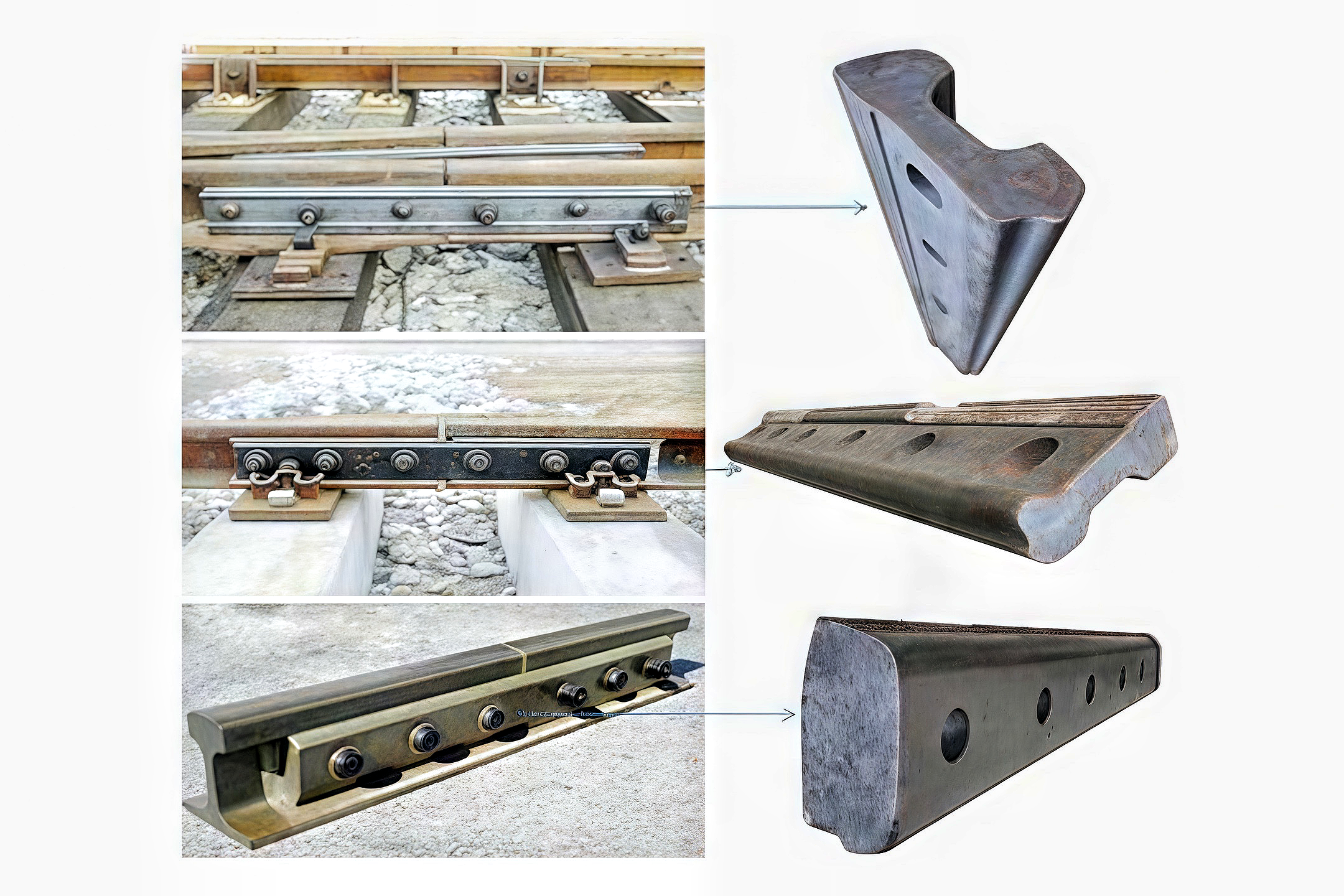
Rail fish plates, often referred to as rail joints or splice plates, are an integral component of railway tracks. Their primary function is to connect two sections of rail, ensuring a smooth transition for trains while maintaining structural integrity. This article delves into the importance of rail fish plates, their design, and how they contribute to the overall efficiency of train operations.
The Role of Rail Fish Plates in Railway Infrastructure
Understanding the function of rail fish plates is crucial for anyone involved in railway infrastructure. Fish plates serve as connectors between rail segments, allowing for expansion and contraction due to temperature variations. This functionality is vital in preventing track misalignment, which could lead to derailments and other safety issues.
Key Functions of Rail Fish Plates
1. **Connection**: Fish plates connect two rail ends, effectively making the railway track longer and ensuring continuity.
2. **Alignment**: They help maintain the alignment of the rails, critical for the stability of trains traveling at high speeds.
3. **Support**: By distributing the load of the train evenly, fish plates reduce stress on the rails and ties, prolonging their lifespan.
4. **Thermal Expansion Management**: Fish plates accommodate the thermal expansion and contraction of rails, ensuring safety and efficiency.
Types of Rail Fish Plates
Rail fish plates come in various designs and materials, tailored to meet different operational needs. Understanding these variations can help in selecting the right type for specific rail applications.
1. Standard Fish Plates
Standard fish plates are the most common type, typically made from steel. They are designed to provide a robust connection between rail sections and are used in various rail systems.
2. Insulated Fish Plates
Insulated fish plates prevent electrical current from passing between rail sections, which is essential for electric rail systems. These plates help maintain the integrity of signaling systems by isolating sections of track.
3. Composite Fish Plates
Composite fish plates are made from advanced materials such as fiberglass or reinforced plastics. These materials offer benefits such as reduced weight and increased resistance to environmental factors.
Manufacturing Process of Rail Fish Plates
The manufacturing process of rail fish plates is a crucial aspect that impacts their performance and longevity. Understanding this process can provide insights into the quality of fish plates used in railway operations.
1. Material Selection
Choosing the right material is fundamental. Steel is commonly used due to its strength and durability, while composite materials are selected for specific applications where weight reduction is necessary.
2. Fabrication Techniques
Modern fabrication techniques involve methods such as forging and machining, ensuring precise dimensions and strength. Each fish plate undergoes rigorous quality checks to meet industry standards.
3. Surface Treatments
Surface treatments like galvanization or painting protect fish plates from corrosion, extending their service life and reducing maintenance costs.
Importance of Rail Fish Plates for Safety
Safety is paramount in railway operations, and rail fish plates play a critical role in maintaining safe conditions.
Preventing Derailments
Track misalignment is one of the primary causes of train derailments. Fish plates, by ensuring proper alignment and connection between rails, significantly reduce this risk.
Maintenance Considerations
Regular inspection and maintenance of fish plates are essential. Signs of wear, corrosion, or looseness can indicate that a fish plate needs replacement, preventing potential accidents.
Enhancing Train Operations with Advanced Fish Plate Technologies
Innovations in rail fish plate technology are revolutionizing train operations, enhancing efficiency and reliability.
Smart Rail Fish Plates
With the advent of IoT (Internet of Things) technology, smart rail fish plates are being developed. These incorporate sensors to monitor structural integrity and notify maintenance teams of potential issues before they escalate.
Eco-Friendly Alternatives
The railway industry is also exploring eco-friendly materials for fish plates. Sustainable options can reduce the environmental impact of rail infrastructure while maintaining performance standards.
Case Studies: Successful Implementation of Rail Fish Plates
Examining case studies can provide valuable insights into the real-world benefits of implementing high-quality rail fish plates.
1. High-Speed Rail in Japan
Japan's Shinkansen, known for its punctuality and safety, relies heavily on advanced fish plate designs to maintain track integrity at high speeds.
2. Urban Transit Systems in Europe
Many European cities have upgraded their transit systems with insulated fish plates to improve safety and reduce electrical interference, resulting in more reliable service.
Challenges Facing Rail Fish Plate Usage
Despite their advantages, there are challenges in the adoption and maintenance of rail fish plates.
1. Environmental Factors
Extreme weather conditions can affect the performance of fish plates. For instance, heavy snowfall can lead to increased stress on connections, necessitating more frequent inspections.
2. Cost Implications
While investing in high-quality fish plates may incur higher upfront costs, the long-term savings associated with reduced maintenance and improved safety can outweigh these expenses.
Future Trends in Rail Fish Plate Development
The future of rail fish plates is promising, with ongoing research and development aimed at improving their functionality and sustainability.
1. Integration with Smart Technology
As rail systems evolve, the integration of smart technologies with fish plates will likely become standard practice, enhancing monitoring and maintenance capabilities.
2. Development of Lightweight Materials
Research into lightweight materials that maintain strength and durability will lead to more efficient rail systems, allowing for faster trains and reduced energy consumption.
Frequently Asked Questions (FAQs)
1. What are rail fish plates made of?
Rail fish plates are primarily made of steel, although composite materials are also used for specific applications.
2. How often should rail fish plates be inspected?
Regular inspections are recommended, ideally every six months, or more frequently in high-traffic areas.
3. Can fish plates be repaired?
In certain cases, fish plates can be repaired, but replacement is often necessary for safety and longevity.
4. What happens if a fish plate fails?
A failure in a fish plate can lead to track misalignment, resulting in derailments and safety hazards.
5. How do insulated fish plates work?
Insulated fish plates prevent electrical current from passing through, essential for maintaining the functionality of electric rail systems.
Conclusion
In summary, rail fish plates are a vital component of railway infrastructure, ensuring the safety, efficiency, and reliability of train operations. Their role in connecting rail segments, managing thermal expansion, and preventing derailments cannot be overstated. With ongoing advancements in technology and materials, the future of rail fish plates looks promising, paving the way for even safer and more efficient railway systems worldwide. Understanding the significance and functionality of these plates is crucial for industry professionals seeking to enhance train operations and safety standards.
Recommended

Xinda Introduces KB65 Railway Tie Plate – Now Available for Customer Orders
Xinda Railway Equipment Co., Ltd. has added the KB65 railway tie plate (baseplate) to its product portfolio, expanding the company's offering for customers operating under GOST standards.
Xinda Optimizes KB65 Railway Tie Plate – New Samples Available for Customer Testing
Xinda Railway Equipment Co., Ltd. has completed a new round of optimization for its KB65 railway tie plate, a key component used in railway fastening systems.
Contact Us
Henan Xinda Railway Equipment Co., Ltd
Fax: +86-372-2372333
Email:info@xindarail.com
WeChat:XindaRail





Send us your request
we will get in touch with you as soon as possible