
Understanding Rail Fish Plates: An Essential Component in Rail Transport
Dec 14,2025
Rail fish plates, also known simply as fish plates, are critical components in the railway infrastructure that facilitate the connection of two sections of rail track. These plates are typically made from durable materials, such as steel, to withstand the immense stresses and dynamic loads encountered in rail transport. Their primary function is to join the ends of rails together, ensuring a smoot
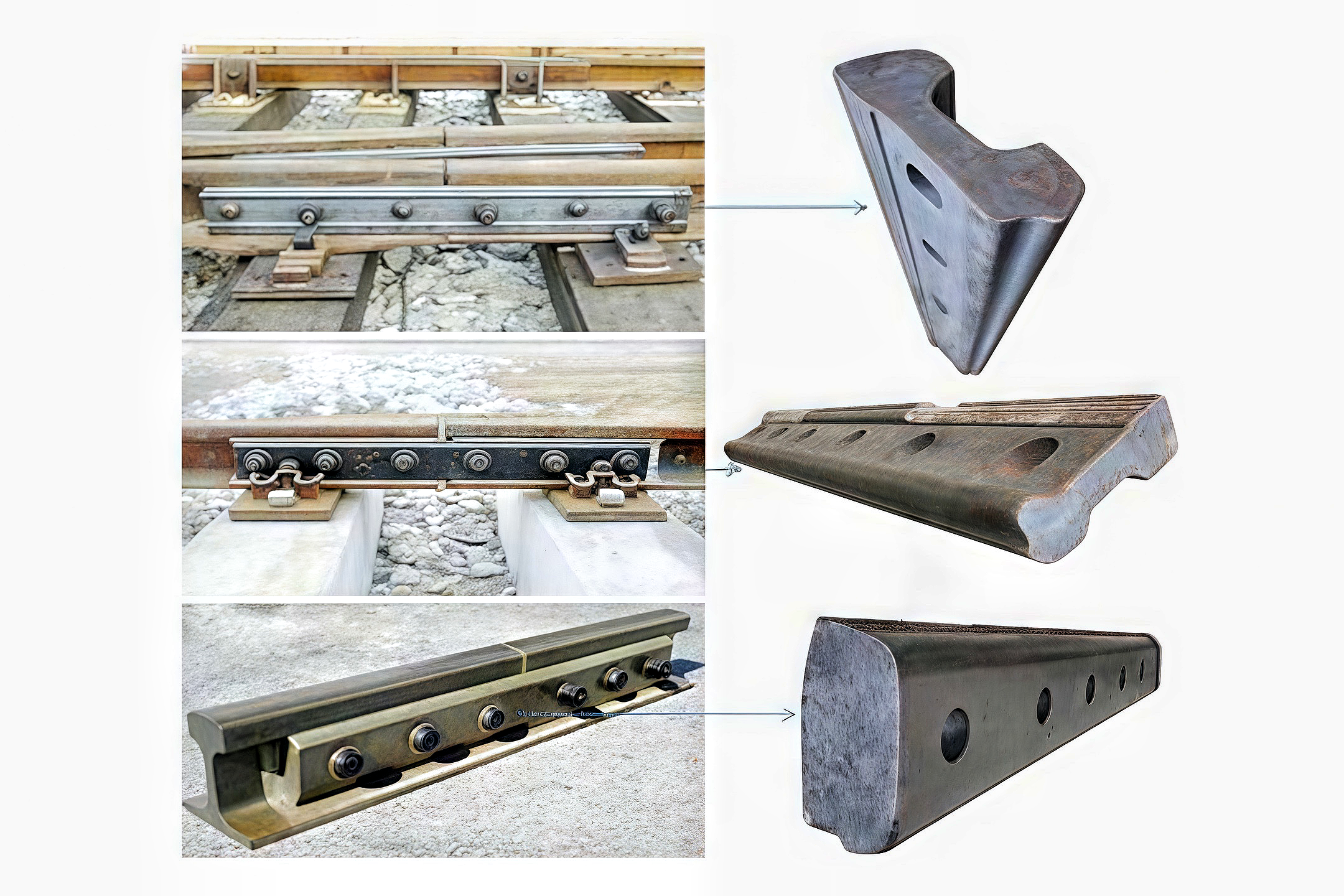
One of the key benefits of using rail fish plates is their ability to maintain track alignment. When trains travel over the rails, they generate forces that can cause misalignment, leading to potential safety hazards and operational inefficiencies. By securely fastening the rails together, fish plates play a crucial role in mitigating these issues, thereby enhancing the overall stability of the track. This stability is pivotal not only for passenger safety but also for the longevity of the railway system.
Rail fish plates come in various sizes and designs to accommodate different types of rail tracks. The choice of a specific fish plate often depends on factors such as the rail profile, the anticipated load, and environmental conditions. Proper installation is essential; if a fish plate is not fitted correctly, it can lead to rail defects and ultimately compromise the integrity of the track. Maintenance of these components is equally important, as regular inspections can help identify wear and tear that could affect their performance.
Another critical aspect of rail fish plates is their role in the overall track assembly. They work in conjunction with other components like spikes, bolts, and sleepers to create a cohesive system that supports the weight of trains and absorbs vibrations produced during operation. Fish plates are typically bolted to the rails and may also include gaps for expansion and contraction due to temperature changes, preventing potential rail buckling.
Furthermore, advancements in technology have contributed to the evolution of rail fish plates. Modern manufacturing processes can produce more robust and lightweight versions, which improve performance while reducing overall material costs. Innovations such as pre-drilled holes or integrated design features can streamline the installation process, making it more efficient.
In conclusion, rail fish plates are indispensable for maintaining the functionality and safety of rail transport systems. Their ability to connect rails, enhance track stability, and support the overall infrastructure cannot be overstated. For anyone involved in rail transport or infrastructure maintenance, a thorough understanding of rail fish plates and their importance will ensure better operational outcomes and contribute to the reliability of rail services.
Recommended

Xinda Introduces KB65 Railway Tie Plate – Now Available for Customer Orders
Xinda Railway Equipment Co., Ltd. has added the KB65 railway tie plate (baseplate) to its product portfolio, expanding the company's offering for customers operating under GOST standards.
Xinda Optimizes KB65 Railway Tie Plate – New Samples Available for Customer Testing
Xinda Railway Equipment Co., Ltd. has completed a new round of optimization for its KB65 railway tie plate, a key component used in railway fastening systems.
Contact Us
Henan Xinda Railway Equipment Co., Ltd
Fax: +86-372-2372333
Email:info@xindarail.com
WeChat:XindaRail






Send us your request
we will get in touch with you as soon as possible