
Understanding Fishplates in Rail Transportation: Essential Components for Track Integrity
Feb 02,2026
Fishplates, often referred to as rail joiners or splice bars, are critical components in rail transportation systems. These metal plates are used to connect two rails at their ends, creating a continuous track structure essential for the stability and safety of rail vehicles. Understanding the function and significance of fishplates can enhance your knowledge of rail infrastructure and its mainten
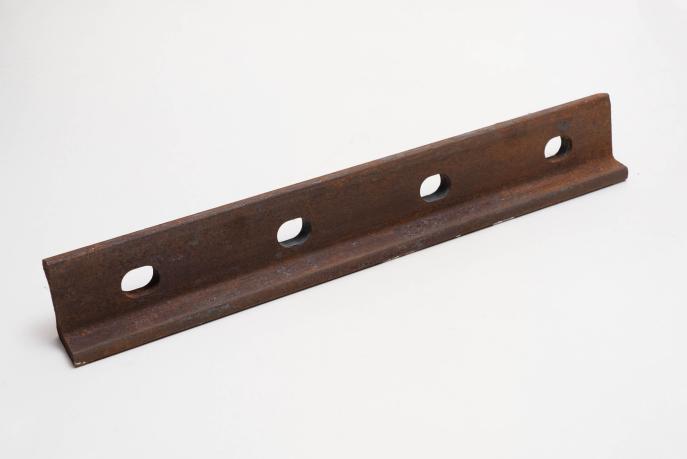
The primary purpose of fishplates is to maintain the alignment and integrity of the rails. When installed properly, they help distribute the loads exerted by trains passing over the tracks. This distribution of force prevents excessive stress on the rail ends, which could lead to deformation or failure over time. The type of fishplate used can influence the overall durability and performance of the railway track.
Fishplates come in various designs and materials, typically made from steel or aluminum, depending on the specific requirements of the rail system. The design can vary based on factors such as the type of rail, the expected load capacity, and environmental conditions. Some fishplates are designed to accommodate expansion and contraction due to temperature changes, which is crucial for maintaining track stability.
In terms of installation, fishplates are usually secured to the rails using bolts. This bolted connection must be regularly inspected and maintained to ensure that it remains tight and secure. Loose connections can lead to track misalignment, increasing the risk of derailment or other significant safety hazards. Regular maintenance checks are essential to identifying any wear or damage to fishplates early, thus ensuring the longevity and safety of the track.
Moreover, fishplates play a significant role in the overall cost-effectiveness of rail operations. By ensuring that the track remains intact and properly aligned, they help reduce wear and tear on rolling stock, ultimately minimizing maintenance costs and downtime. This aspect is particularly important in high-traffic rail networks, where efficiency is paramount.
In conclusion, fishplates are indispensable components of railway infrastructure. Their role in ensuring track integrity cannot be overstated, as they directly influence the safety and efficiency of rail transportation. Understanding the importance of fishplates can aid in making informed decisions regarding rail maintenance and operations, ultimately contributing to a safer and more reliable rail system.
Recommended

Xinda Introduces KB65 Railway Tie Plate – Now Available for Customer Orders
Xinda Railway Equipment Co., Ltd. has added the KB65 railway tie plate (baseplate) to its product portfolio, expanding the company's offering for customers operating under GOST standards.
Xinda Optimizes KB65 Railway Tie Plate – New Samples Available for Customer Testing
Xinda Railway Equipment Co., Ltd. has completed a new round of optimization for its KB65 railway tie plate, a key component used in railway fastening systems.
Contact Us
Henan Xinda Railway Equipment Co., Ltd
Fax: +86-372-2372333
Email:info@xindarail.com
WeChat:XindaRail






Send us your request
we will get in touch with you as soon as possible