
How Fishplates Enhance Safety in Rail Transport
Feb 06,2026
How Fishplates Enhance Safety in Rail Transport Introduction to Rail Transport Safety Rail transport is one of the most efficient, reliable, and environmentally friendly modes of transportation. However, ensuring safety in such a complex system is paramount. Among the many components that contribute to this safety, **fishplates** play a critical role. Understanding how fishplates enhance safety
How Fishplates Enhance Safety in Rail Transport
Introduction to Rail Transport Safety
Rail transport is one of the most efficient, reliable, and environmentally friendly modes of transportation. However, ensuring safety in such a complex system is paramount. Among the many components that contribute to this safety, **fishplates** play a critical role. Understanding how fishplates enhance safety can provide valuable insights into their importance in the rail industry.
What Are Fishplates?
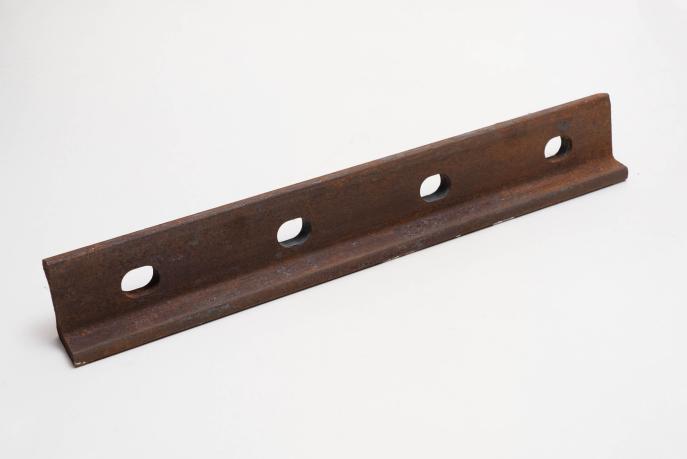
Fishplates, also known as rail joints or splice bars, are metal connectors used to join two ends of rail tracks together. They serve to maintain the alignment and stability of the track, ensuring a smooth ride for trains.
The Composition and Design of Fishplates
Typically made from high-strength steel, fishplates are designed to endure the immense forces exerted by moving trains. Their design is crucial for basic track functionality. Most modern fishplates feature a bolt hole design that accommodates various types of bolts, allowing for secure connections and adjustments.
Types of Fishplates
1. **Standard Fishplates**: The most commonly used, suitable for light to moderate traffic.
2. **Heavy-Duty Fishplates**: Designed for high-traffic areas where enhanced stability is required.
3. **Insulated Fishplates**: Used in electrified rail systems to prevent electrical shorts.
4. **Flexibility Plates**: Allow for slight adjustments in rail alignment due to temperature changes or shifting ground conditions.
The Role of Fishplates in Safety Enhancements
Fishplates serve multiple functions that contribute to the overall safety of rail transport:
1. Track Alignment and Stability
Proper alignment of rail tracks is vital for the safe passage of trains. Fishplates ensure that the tracks remain securely connected, preventing misalignment that can lead to derailments. By distributing the stresses along the track, fishplates help maintain stability over varying conditions.
2. Vibration Absorption
Trains generate significant vibrations as they travel along the tracks. Fishplates are designed to absorb some of these vibrations, reducing the risk of track damage and ensuring a smoother ride for passengers. This absorption also minimizes wear and tear on both the rails and the fishplates themselves.
3. Weather Resistance and Durability
Fishplates are often coated with protective materials to withstand harsh environmental conditions. This durability is essential for maintaining safety standards, particularly in regions subject to extreme weather. By preventing rust and corrosion, properly maintained fishplates extend the lifespan of the rail connections.
4. Prevention of Rail Breakage
Fishplates play a crucial role in preventing rail breakage. When rail tracks expand and contract due to temperature changes, fishplates help to hold the rails together, minimizing the risk of fractures that could lead to catastrophic failures.
Implementing Quality Control Measures for Fishplates
To ensure the effectiveness of fishplates in enhancing rail transport safety, strict quality control measures are essential. This includes:
1. Regular Inspections
Conducting routine inspections of fishplates can help identify wear and tear early, allowing for timely replacements or repairs.
2. Testing Materials
Utilizing high-quality materials and conducting rigorous testing can help ensure that fishplates meet safety standards and can withstand operational stresses.
3. Maintenance and Replacement Protocols
Establishing a robust maintenance schedule for fishplates is crucial. This includes guidelines for when to replace or repair fishplates based on wear patterns observed during inspections.
Innovations in Fishplate Design
The rail industry continually seeks advancements in technology to improve safety and efficiency. Innovations in fishplate design include:
1. Smart Fishplates
Integration of sensors into fishplates enables real-time monitoring of track conditions, providing data that can predict maintenance needs and avoid potential hazards.
2. Lightweight Materials
Research into alternative materials aims to create lighter fishplates without sacrificing strength. This can improve fuel efficiency for trains, contributing to environmentally sustainable rail transport.
3. Modular Designs
Modular fishplate designs allow for easier replacements and adjustments, reducing downtime and maintaining safety standards without extensive track disruptions.
The Economic Impact of Fishplates on Rail Safety
Beyond safety, fishplates also contribute to the economic efficiency of rail transport. By minimizing maintenance costs and reducing derailments, investing in high-quality fishplates can lead to long-term savings for rail operators.
1. Cost-Benefit Analysis of Fishplate Maintenance
Rail operators can benefit significantly from regular maintenance of fishplates. The cost of replacing a single fishplate is significantly less than the potential costs associated with a derailment or extended service interruptions.
2. Enhancing Service Reliability
Investing in fishplates directly correlates with improved service reliability. A reliable rail system is more appealing to passengers and freight customers alike, enhancing overall profitability.
Case Studies: Successful Implementation of Fishplates in Rail Transport
Several rail systems worldwide have successfully implemented advanced fishplate designs and maintenance programs.
1. The European Rail Network
Europe has made significant strides in integrating advanced fishplate technology, resulting in a remarkable decrease in derailments and maintenance costs.
2. High-Speed Rail Systems in Asia
Asian high-speed rail networks utilize cutting-edge fishplate designs that facilitate rapid travel while maintaining the highest safety standards.
Future Trends in Fishplate Technology
As the rail industry evolves, several trends are emerging regarding fishplate technology:
1. Increased Use of Artificial Intelligence
AI can play a significant role in predictive maintenance, analyzing data from smart fishplates to forecast potential failures before they occur.
2. Sustainability Initiatives
The rail industry is increasingly focusing on sustainability. This includes developing fishplates made from eco-friendly materials and improving recycling processes for old components.
FAQs About Fishplates in Rail Transport
1. What materials are fishplates made from?
Fishplates are typically constructed from high-strength steel, often treated to resist corrosion and wear.
2. How often should fishplates be inspected?
Regular inspections should be conducted at least once a year, or more frequently in high-traffic areas.
3. What are the signs that a fishplate needs to be replaced?
Common signs include visible cracks, distortion, or excessive wear around bolt holes.
4. Can fishplates contribute to noise reduction in rail transport?
Yes, fishplates help absorb vibrations, which can lead to reduced noise levels during train operation.
5. How do fishplates affect train speed?
Well-maintained fishplates ensure proper track alignment, allowing trains to travel safely at higher speeds without the risk of derailment.
Conclusion
Fishplates are an indispensable component of rail transport safety and efficiency. Their ability to maintain track alignment, absorb vibrations, and prevent rail breakage showcases their critical role in the industry. By investing in high-quality fishplates and implementing strict maintenance protocols, rail operators can significantly enhance safety and reliability. As technology advances, the future of fishplates looks promising, paving the way for safer and more efficient rail transport systems worldwide.
Recommended

Xinda Introduces KB65 Railway Tie Plate – Now Available for Customer Orders
Xinda Railway Equipment Co., Ltd. has added the KB65 railway tie plate (baseplate) to its product portfolio, expanding the company's offering for customers operating under GOST standards.
Xinda Optimizes KB65 Railway Tie Plate – New Samples Available for Customer Testing
Xinda Railway Equipment Co., Ltd. has completed a new round of optimization for its KB65 railway tie plate, a key component used in railway fastening systems.
Contact Us
Henan Xinda Railway Equipment Co., Ltd
Fax: +86-372-2372333
Email:info@xindarail.com
WeChat:XindaRail






Send us your request
we will get in touch with you as soon as possible