
Understanding Fishplates: Essential Components in Rail Transportation
Feb 10,2026
Fishplates, also known as rail joints, are crucial components in the field of rail transportation. They serve the essential function of connecting two rail sections together, ensuring a continuous and stable track for trains to travel on. The design and installation of fishplates are vital as they directly impact the safety and efficiency of rail operations. In rail systems, fishplates are typica
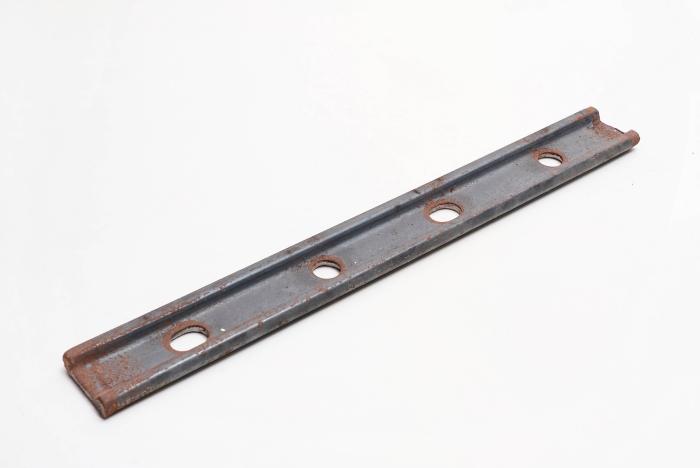
In rail systems, fishplates are typically made from high-strength steel, which can withstand the enormous forces exerted by passing trains. They are designed to accommodate thermal expansion and contraction of rails, which can occur due to temperature fluctuations. This adaptability is crucial, as it prevents track misalignment, which could lead to derailments or other safety hazards.
There are various types of fishplates available, including bolted, welded, and insulated variants. Bolted fishplates are commonly used due to their ease of installation and maintenance. They are equipped with holes for bolts that secure the fishplate to the rail, providing a strong connection. On the other hand, welded fishplates offer a more permanent solution, as they are fused to the rail sections, reducing maintenance needs but complicating the replacement process. Insulated fishplates are employed in electrified rail systems, as they prevent electrical currents from flowing between rail sections, thereby protecting the integrity of signaling and track circuits.
Proper maintenance of fishplates is essential to ensure the safety and longevity of the rail system. Regular inspections should be conducted to check for signs of wear or damage, such as cracks or corrosion. Additionally, ensuring that bolts are tightened to the correct torque specifications is critical, as loose connections can lead to track instability.
The impact of well-maintained fishplates extends beyond safety; they also contribute to overall operational efficiency. Smooth rail joints allow trains to travel at higher speeds with less wear and tear on both the rolling stock and the tracks. This efficiency translates into reduced operational costs and improved service reliability, which are critical factors in the competitive rail transportation sector.
In conclusion, fishplates are indispensable components of rail transportation systems, providing structural integrity and operational efficiency. Understanding their types, maintenance requirements, and roles within the rail network can empower professionals in the industry to make informed decisions that enhance safety and performance. As the transportation landscape continues to evolve, staying informed about these critical components will remain a priority for rail industry stakeholders.
Recommended

Xinda Introduces KB65 Railway Tie Plate – Now Available for Customer Orders
Xinda Railway Equipment Co., Ltd. has added the KB65 railway tie plate (baseplate) to its product portfolio, expanding the company's offering for customers operating under GOST standards.
Xinda Optimizes KB65 Railway Tie Plate – New Samples Available for Customer Testing
Xinda Railway Equipment Co., Ltd. has completed a new round of optimization for its KB65 railway tie plate, a key component used in railway fastening systems.
Contact Us
Henan Xinda Railway Equipment Co., Ltd
Fax: +86-372-2372333
Email:info@xindarail.com
WeChat:XindaRail






Send us your request
we will get in touch with you as soon as possible