
Understanding Rail Fish Plates: Essential Components for Track Integrity
Feb 18,2026
Rail fish plates, often referred to simply as fish plates, are integral components in the assembly and stability of railway tracks. These plates serve a vital purpose by joining two sections of rail together, ensuring a seamless and stable pathway for trains. By understanding the design and functionalities of rail fish plates, professionals in the rail transport industry can enhance track integrit
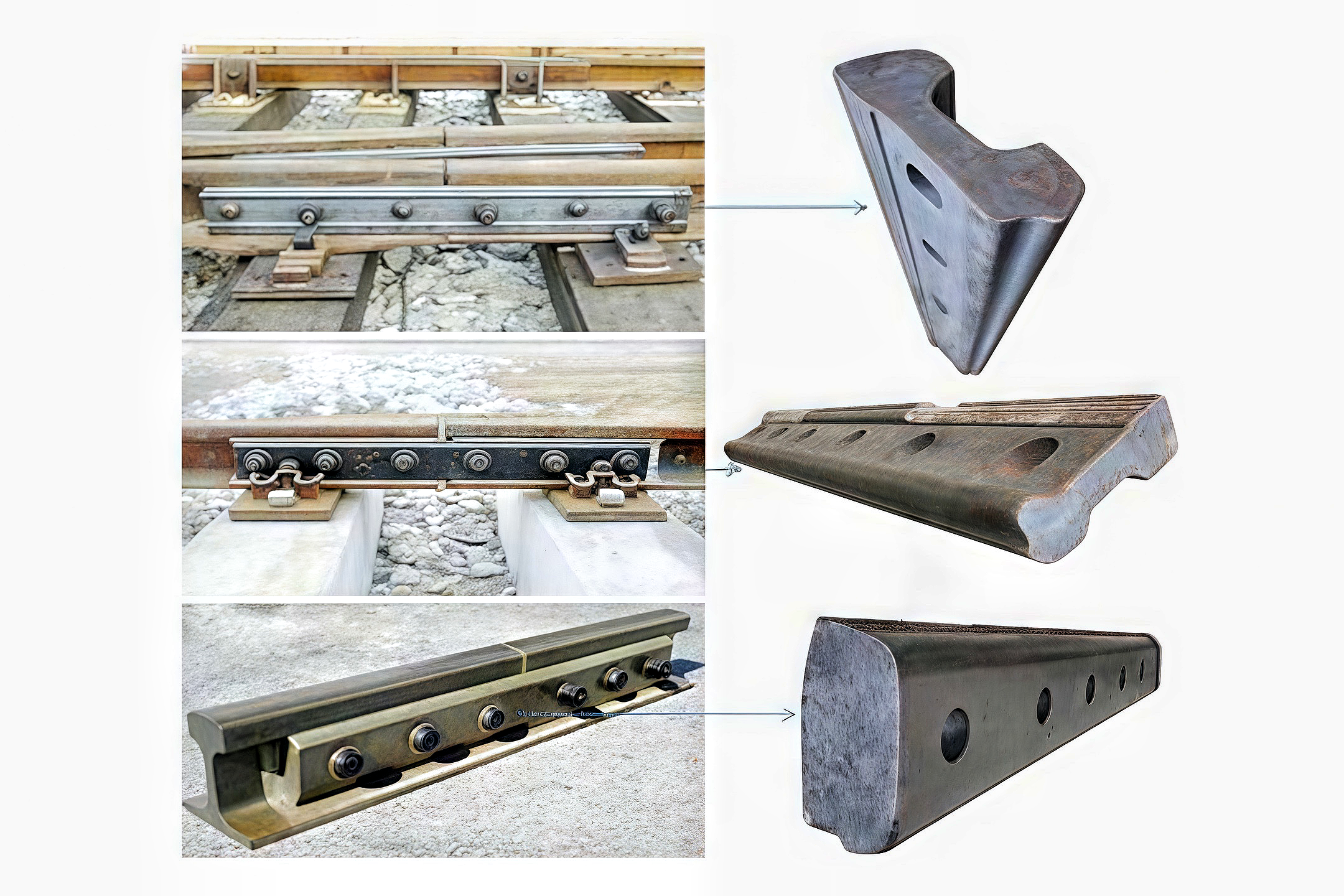
One of the primary functions of rail fish plates is to distribute the load from the rail joint across a broader area of the underlying sleepers. This load distribution is crucial because it minimizes stress concentrations that can lead to track deformation over time. Properly installed fish plates contribute significantly to the overall durability of the rail infrastructure.
Typically made from high-strength steel, rail fish plates are designed to withstand the harsh conditions of rail environments, including heavy loads, vibrations, and varying weather conditions. The choice of materials is not arbitrary; it reflects the need for resilience and longevity. Coatings or treatments may also be applied to prevent corrosion, further extending the lifespan of these components.
The installation of rail fish plates requires precision. Correct alignment and torque specifications must be adhered to during installation to prevent misalignment that can lead to track failure. Regular inspections are recommended to ensure that fish plates are in good condition and securely fastened. This proactive maintenance helps identify any potential issues before they become critical, ensuring the safety of rail operations.
In addition to their load-bearing responsibilities, rail fish plates play a significant role in track maintenance and rehabilitation. They can be replaced or adjusted as needed during maintenance activities, allowing for flexibility in managing track conditions. This adaptability makes fish plates an essential consideration in any track maintenance strategy.
Moreover, rail fish plates are designed to accommodate different types of rail profiles, which is important for interoperability in rail networks. This versatility is particularly beneficial in regions where multiple rail systems coexist, ensuring that trains can navigate smoothly across various track types without interruption.
In summary, rail fish plates are essential components in the railway infrastructure that contribute to the overall safety and efficiency of rail transport. Understanding their function, material properties, and installation practices can significantly benefit professionals in the industry. By prioritizing the proper use and maintenance of rail fish plates, stakeholders can ensure the longevity and reliability of the railway systems they manage.
Recommended

Xinda Introduces KB65 Railway Tie Plate – Now Available for Customer Orders
Xinda Railway Equipment Co., Ltd. has added the KB65 railway tie plate (baseplate) to its product portfolio, expanding the company's offering for customers operating under GOST standards.
Xinda Optimizes KB65 Railway Tie Plate – New Samples Available for Customer Testing
Xinda Railway Equipment Co., Ltd. has completed a new round of optimization for its KB65 railway tie plate, a key component used in railway fastening systems.
Contact Us
Henan Xinda Railway Equipment Co., Ltd
Fax: +86-372-2372333
Email:info@xindarail.com
WeChat:XindaRail





Send us your request
we will get in touch with you as soon as possible