
The Advantages of Employing High-Quality Rail Fish Plates in Rail Infrastructure
Feb 22,2026
The Advantages of Employing High-Quality Rail Fish Plates in Rail Infrastructure Table of Contents 1. Introduction to Rail Fish Plates 2. Understanding Rail Fish Plates 3. The Importance of Quality in Rail Fish Plates 4. Safety Benefits of Quality Rail Fish Plates 5. Enhanced Durability and Longevity 6. Cost Efficiency Over Time 7. Installation and Maintenance Consider
The Advantages of Employing High-Quality Rail Fish Plates in Rail Infrastructure
Table of Contents
- 1. Introduction to Rail Fish Plates
- 2. Understanding Rail Fish Plates
- 3. The Importance of Quality in Rail Fish Plates
- 4. Safety Benefits of Quality Rail Fish Plates
- 5. Enhanced Durability and Longevity
- 6. Cost Efficiency Over Time
- 7. Installation and Maintenance Considerations
- 8. Choosing the Right Rail Fish Plates
- 9. Frequently Asked Questions
- 10. Conclusion
1. Introduction to Rail Fish Plates
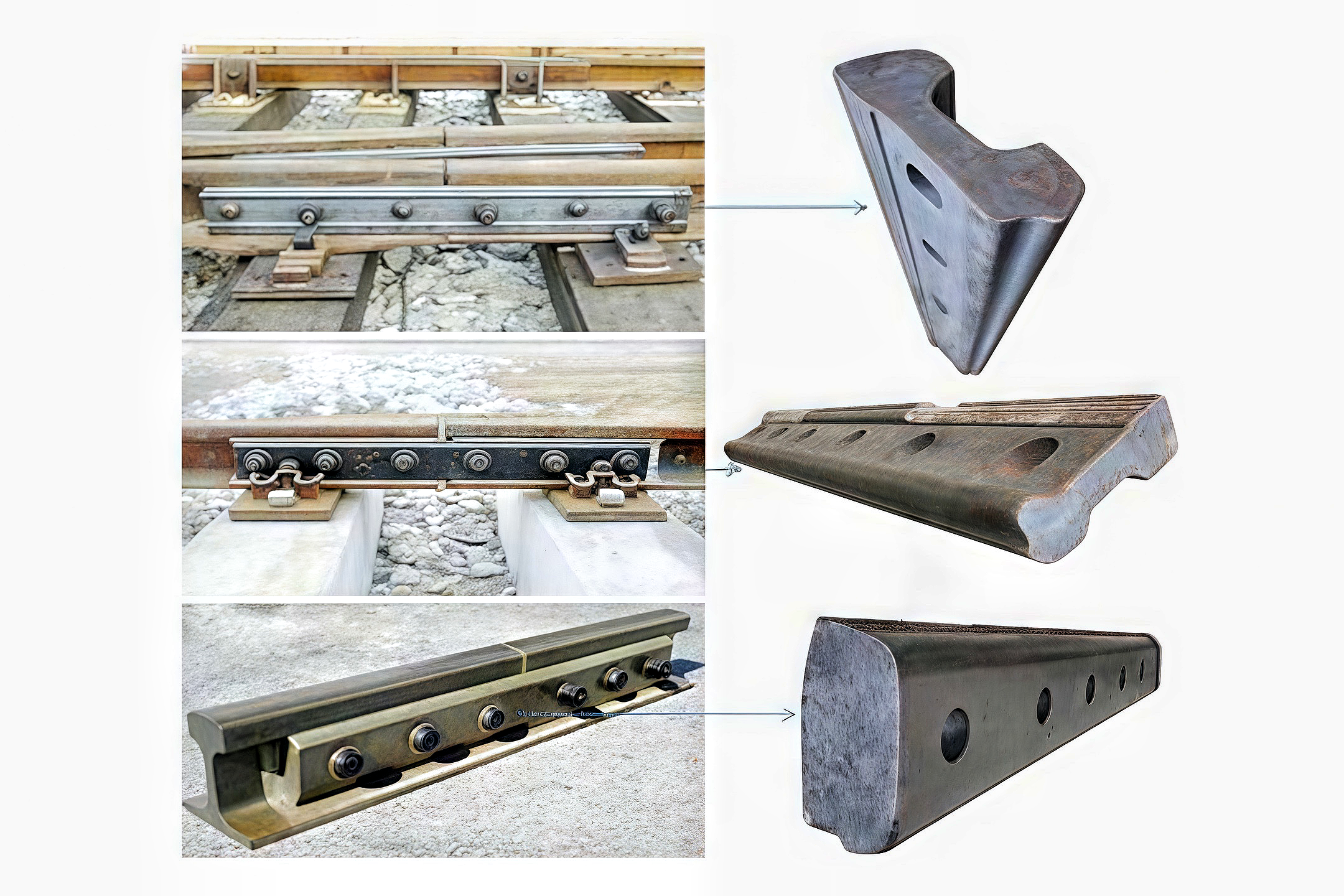
Rail fish plates, often referred to as joint bars or splice plates, play an essential role in the functionality of rail infrastructure. These components connect two sections of rail, ensuring a seamless and stable track alignment for trains. In an industry where safety and reliability are non-negotiable, the quality of rail fish plates can significantly influence operational efficiency.
In this article, we will delve deeper into the benefits of using quality rail fish plates, highlighting their importance in enhancing safety, durability, and cost-effectiveness in rail systems.
2. Understanding Rail Fish Plates
Rail fish plates are flat pieces of metal, typically made from high-strength steel, designed to join two rail ends together. They are bolted onto the rail to ensure that the connection remains secure and stable under various stresses and forces. Understanding the material composition and design features of these plates is vital, as these factors directly impact their performance and longevity.
Quality rail fish plates are manufactured according to strict standards, such as those set by the American Railway Engineering and Maintenance-of-Way Association (AREMA) or other relevant industry bodies. These standards ensure that the plates can withstand the heavy loads exerted by trains and resist deformation over time.
3. The Importance of Quality in Rail Fish Plates
The significance of selecting high-quality rail fish plates cannot be overstated. Inferior products can lead to numerous problems, including misalignment, increased maintenance requirements, and even catastrophic failures. Quality fish plates provide superior mechanical properties, ensuring they can endure the dynamic loads experienced during train operations.
Furthermore, investing in quality rail fish plates can yield long-term savings by reducing the need for frequent replacements and repairs. A focus on quality also supports compliance with safety regulations, as substandard materials may pose risks that compromise the integrity of the rail infrastructure.
4. Safety Benefits of Quality Rail Fish Plates
Safety is a paramount concern in rail transportation. Quality rail fish plates contribute to safety in several crucial ways:
4.1. Structural Integrity
High-quality fish plates maintain the structural integrity of the rail alignment, reducing the risk of derailments. The stability provided by robust fish plates ensures that the rail remains in the correct position, even under extreme conditions.
4.2. Reduced Risk of Wear and Tear
Quality fish plates are engineered to resist wear and tear, minimizing the likelihood of accidental failures. This resistance is particularly vital in areas with high train traffic, where constant movement can lead to rapid deterioration of inferior components.
4.3. Enhanced Safety Inspections
Using premium fish plates can simplify safety inspections. Inspectors can more easily identify issues related to rail joints, ensuring any potential problems are addressed before they escalate.
5. Enhanced Durability and Longevity
One of the most significant advantages of investing in quality rail fish plates is their enhanced durability and longevity.
5.1. Material Properties
Quality fish plates are typically constructed from high-carbon steel, which provides superior strength and resilience against environmental factors. This durability ensures that fish plates can withstand not only the weight of passing trains but also harsh weather conditions, including extreme temperatures and moisture.
5.2. Lower Replacement Frequency
Because of their longevity, quality rail fish plates require less frequent replacement compared to their lower-quality counterparts. This results in reduced operational disruption and maintenance costs, allowing rail operators to allocate funds more effectively elsewhere in their infrastructure.
6. Cost Efficiency Over Time
While the initial investment in quality rail fish plates may be higher than that for lower-quality options, the long-term cost efficiency is undeniable.
6.1. Decreased Maintenance Costs
Quality rail fish plates reduce the likelihood of breakdowns or failures, leading to lower maintenance costs. Rail operators who invest in quality can expect fewer repairs and replacements, translating into significant savings over time.
6.2. Improved Operational Efficiency
With high-quality components, rail systems operate more smoothly and efficiently. This improved efficiency can result in increased capacity and reduced delays, ultimately enhancing service levels and customer satisfaction.
7. Installation and Maintenance Considerations
Proper installation and maintenance of rail fish plates are critical to maximizing their benefits.
7.1. Professional Installation
Ensuring that fish plates are installed by trained professionals is vital. Incorrect installation can lead to misalignment and increased wear, negating the benefits of using quality materials.
7.2. Regular Inspections
Conducting regular inspections of rail fish plates is essential for maintaining rail safety. Inspectors should check for signs of wear, corrosion, or misalignment, addressing any issues promptly to prevent larger problems.
8. Choosing the Right Rail Fish Plates
When selecting rail fish plates for a project, several factors should be considered:
8.1. Material Specification
Ensure that the fish plates meet or exceed industry standards for material specifications. This includes evaluating the chemical composition and mechanical properties to ensure they can withstand the intended loads.
8.2. Manufacturer Reputation
Choose manufacturers with a proven track record in the rail industry. A reputable supplier will provide documentation and warranties that reflect their commitment to quality.
8.3. Compatibility with Existing Infrastructure
Ensure that the fish plates are compatible with the existing rail infrastructure. This compatibility guarantees a seamless installation and operation within the rail network.
9. Frequently Asked Questions
9.1. What are rail fish plates made of?
Quality rail fish plates are primarily made from high-carbon steel, which provides strength and durability, making them suitable for demanding rail environments.
9.2. How often should rail fish plates be replaced?
The replacement frequency of rail fish plates depends on various factors, including the quality of the plates used, traffic volume, and maintenance practices. Regular inspections can help determine when replacements are necessary.
9.3. What are the signs of a failing rail fish plate?
Signs of a failing rail fish plate may include visible cracks, excessive wear, misalignment, or unusual vibrations during train operations.
9.4. Can low-quality fish plates lead to derailments?
Yes, low-quality fish plates can compromise the stability of rail connections, increasing the risk of misalignment and potential derailments.
9.5. How can I ensure the quality of the fish plates I purchase?
Purchase from reputable manufacturers who provide certifications and documentation of their products’ compliance with industry standards.
10. Conclusion
The benefits of using quality rail fish plates in rail infrastructure cannot be overlooked. They play a crucial role in enhancing safety, durability, and cost efficiency in rail systems. Investing in high-quality fish plates not only ensures a stable and reliable rail connection but also supports the long-term sustainability of rail operations. By prioritizing quality in rail fish plates, we can enhance the overall performance and safety of rail transportation, ultimately benefiting the entire industry.
Previous:
Recommended

Xinda Introduces KB65 Railway Tie Plate – Now Available for Customer Orders
Xinda Railway Equipment Co., Ltd. has added the KB65 railway tie plate (baseplate) to its product portfolio, expanding the company's offering for customers operating under GOST standards.
Xinda Optimizes KB65 Railway Tie Plate – New Samples Available for Customer Testing
Xinda Railway Equipment Co., Ltd. has completed a new round of optimization for its KB65 railway tie plate, a key component used in railway fastening systems.
Contact Us
Henan Xinda Railway Equipment Co., Ltd
Fax: +86-372-2372333
Email:info@xindarail.com
WeChat:XindaRail





Send us your request
we will get in touch with you as soon as possible