
Rail Track Spikes: A Crucial Component You Shouldn’t Overlook
Apr 03,2026
Rail Track Spikes: A Crucial Component You Shouldn’t Overlook In the world of railways, every component plays a vital role in ensuring safety and efficiency. Among these, **rail track spikes** hold a critical position, yet they often go unnoticed. These small but mighty fasteners are essential for securing rails to the ties, promoting stability, and facilitating smooth train operations. In this
Rail Track Spikes: A Crucial Component You Shouldn’t Overlook
In the world of railways, every component plays a vital role in ensuring safety and efficiency. Among these, **rail track spikes** hold a critical position, yet they often go unnoticed. These small but mighty fasteners are essential for securing rails to the ties, promoting stability, and facilitating smooth train operations. In this comprehensive guide, we dive deep into the significance of rail track spikes, their types, installation methods, maintenance, and much more.
Table of Contents
- Understanding Rail Track Spikes
- Types of Rail Track Spikes
- The Importance of Rail Track Spikes in Railway Safety
- The Installation Process of Rail Track Spikes
- Maintenance and Inspection of Rail Track Spikes
- Challenges in Using Rail Track Spikes and Solutions
- The Future of Rail Track Spikes in Railway Engineering
- Conclusion
- Frequently Asked Questions (FAQ)
Understanding Rail Track Spikes
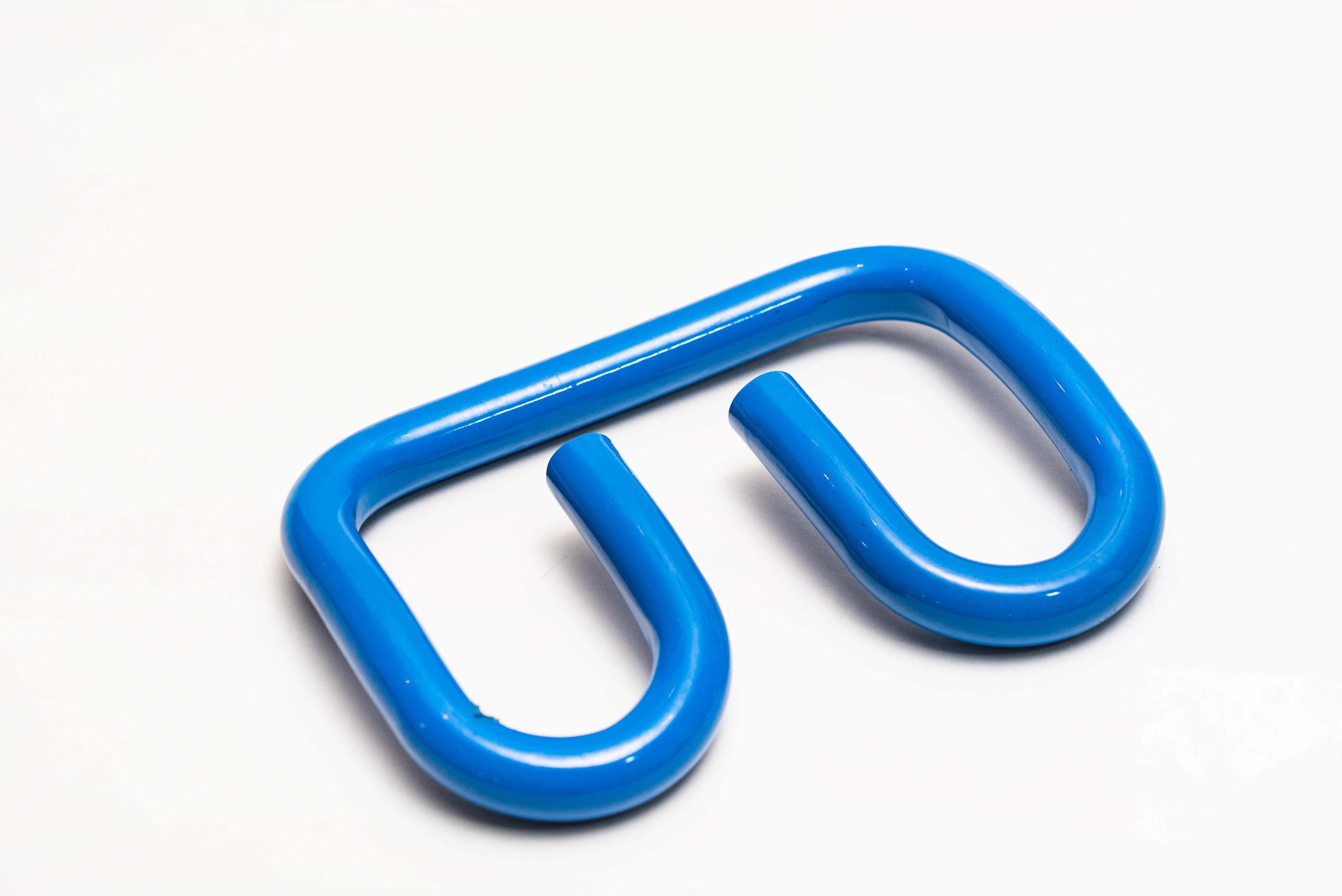
Rail track spikes, also known as **railroad spikes**, are specialized fasteners designed to secure railroad rails to the wooden or concrete ties that form the foundation of the railway. These spikes are typically made from high-strength steel to withstand the immense forces exerted by trains. Their primary function is to ensure that the rails remain in place, preventing any lateral or vertical movement that could lead to derailments or other serious safety issues.
Types of Rail Track Spikes
Different types of rail track spikes are used depending on the specific requirements of the railway system. Here are some of the most common types:
Traditional Rail Spikes
Traditional rail spikes come in various lengths and shapes, designed for specific rail profiles. They are typically driven through the rail base into the tie, creating a secure connection. The most common traditional spikes include:
- Square-Spike: A classic design featuring a square shape that provides excellent grip.
- Dog-Spike: Characterized by its unique shape that helps prevent the spike from pulling out under tension.
Lag Bolts
Lag bolts are larger fasteners that provide superior holding power, especially in heavier rail systems. They allow for easier adjustments and repairs, making them a preferred choice in many modern applications.
Plastic and Composite Spikes
Emerging technologies have introduced plastic and composite spikes as an alternative to traditional metal spikes. These materials reduce the risk of corrosion and environmental impact while maintaining strength and durability.
The Importance of Rail Track Spikes in Railway Safety
The safety and stability of any railway system heavily depend on the reliability of its components, especially **rail track spikes**. Here are a few reasons why they are indispensable:
Enhancing Track Stability
Rail track spikes provide the necessary support to ensure that the rails remain aligned and secure during train operations. Any movement or displacement can significantly increase the risk of derailments.
Reducing Maintenance Costs
Properly installed and maintained rail track spikes can reduce the frequency of maintenance interventions. By ensuring that the rails remain in place, they help minimize wear and tear on other components, leading to lower overall operational costs.
Improving Train Safety
With robust spikes in place, trains can navigate tracks smoothly without the risk of slipping or misalignment, which enhances passenger safety and cargo security.
The Installation Process of Rail Track Spikes
The installation of rail track spikes is a precise process that requires careful planning and execution. Here’s a step-by-step guide:
Preparation
Before installation, it is crucial to inspect the railway ties and rails for any signs of damage. Proper preparation ensures that the spikes will hold securely and function as intended.
Aligning the Rails
Rails must be aligned correctly to ensure proper gapping and spacing. This step is crucial for maintaining smooth train operations.
Driving the Spikes
Using a spike driver or a hydraulic hammer, the spikes are driven through the rail into the tie at the recommended angle and depth. Care must be taken to avoid damaging the rail or the tie during this process.
Inspection Post-Installation
After installation, a thorough inspection is necessary to ensure all spikes are securely in place. This inspection can help identify any potential issues that may arise later.
Maintenance and Inspection of Rail Track Spikes
Regular maintenance and inspection of rail track spikes are essential for ensuring their longevity and effectiveness. Here are key practices:
Routine Inspections
Conduct inspections at regular intervals to identify any signs of wear, rust, or displacement. Early detection of problems can prevent costly repairs and ensure safety.
Cleaning and Corrosion Prevention
Keeping spikes clean and free from debris and corrosion is crucial. Regular cleaning can enhance the longevity of the spikes and maintain their holding power.
Replacement of Damaged Spikes
Any spikes that show signs of significant wear or damage should be replaced immediately to maintain the integrity of the railway system.
Challenges in Using Rail Track Spikes and Solutions
While rail track spikes are essential, they come with challenges. Some common issues and their solutions include:
Creep and Movement
Over time, rail track spikes can experience movement, a phenomenon known as “creep.” Regular inspections and adjustments can help mitigate this issue.
Corrosion
Corrosion can weaken spikes, especially in areas exposed to moisture. Using galvanized or coated spikes can help prevent rust and extend the lifespan of the fasteners.
Installation Errors
Improper installation can lead to serious safety hazards. Training and using the correct tools can minimize such errors and ensure that spikes are installed correctly.
The Future of Rail Track Spikes in Railway Engineering
As technology advances, the future of rail track spikes looks promising. Innovations such as smart monitoring systems can provide real-time data on spike integrity and performance. Additionally, the development of new materials may lead to even more durable and corrosion-resistant spikes. These advancements will not only enhance safety but also contribute to more efficient railway systems.
Conclusion
Rail track spikes may be small components, but their impact on railway safety and efficiency is immense. Understanding their types, installation processes, and maintenance practices is crucial for anyone involved in railway operations. By prioritizing these often-overlooked components, we can ensure a safer and more reliable railway system for everyone. Proper attention to rail track spikes not only enhances safety but also optimizes overall operational efficiency, paving the way for future advancements in railway technology.
Frequently Asked Questions (FAQ)
1. What materials are rail track spikes made from?
Most rail track spikes are made from high-strength steel, but there are also options made from composite materials to reduce corrosion.
2. How often should rail track spikes be inspected?
It is recommended to inspect rail track spikes at regular intervals, typically every six months, or after significant weather events.
3. Can rail track spikes be reused?
While some spikes can be reused if they are in good condition, it's generally safer to replace damaged or worn spikes to ensure stability and safety.
4. What is the average lifespan of rail track spikes?
The lifespan of rail track spikes can vary widely based on environmental conditions, material quality, and usage, but they typically last between 20-30 years with proper maintenance.
5. How do I know if a rail track spike needs to be replaced?
Signs that a rail track spike needs replacement include significant rust, bending, or any signs of having loosened from the tie, which can easily be spotted during routine inspections.
Recommended

Xinda Introduces KB65 Railway Tie Plate – Now Available for Customer Orders
Xinda Railway Equipment Co., Ltd. has added the KB65 railway tie plate (baseplate) to its product portfolio, expanding the company's offering for customers operating under GOST standards.
Xinda Optimizes KB65 Railway Tie Plate – New Samples Available for Customer Testing
Xinda Railway Equipment Co., Ltd. has completed a new round of optimization for its KB65 railway tie plate, a key component used in railway fastening systems.
Contact Us
Henan Xinda Railway Equipment Co., Ltd
Fax: +86-372-2372333
Email:info@xindarail.com
WeChat:XindaRail






Send us your request
we will get in touch with you as soon as possible