
Understanding Rail Elastomer: The Key to Enhanced Transportation Systems
Apr 07,2026
Rail elastomers play a crucial role in the rail transport industry, particularly in the design and manufacturing of railway equipment and infrastructure. These materials, which are typically made from synthetic rubber or polymer compounds, are vital for creating a variety of components that enhance the performance and safety of railway systems. Understanding the properties and applications of rail
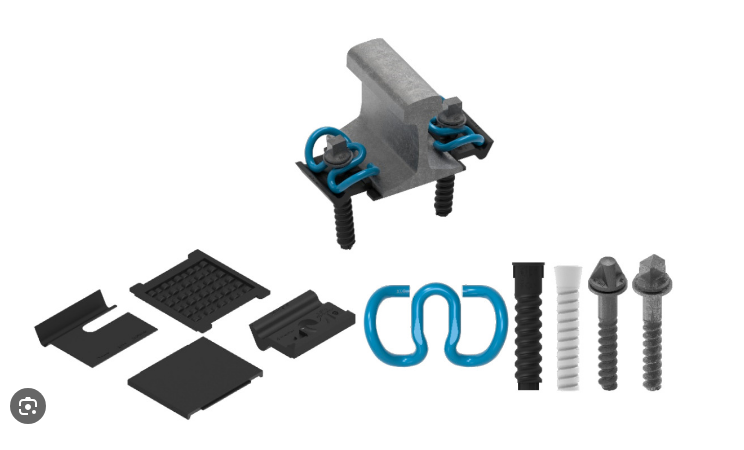
One of the primary functions of rail elastomers is to serve as vibration dampeners. Trains generate considerable vibration during operation, and if these vibrations are not appropriately managed, they can lead to discomfort for passengers and excessive wear on track infrastructure. Rail elastomers are strategically placed within the railway system to absorb vibrations, ensuring a smoother ride and extending the lifespan of both trains and tracks.
In addition to vibration dampening, rail elastomers also offer excellent weather resistance. Rail systems are often exposed to a variety of environmental conditions, including extreme temperatures, moisture, and UV radiation. The durability of rail elastomers ensures that they can withstand these factors without significant degradation. This resilience is essential for maintaining the integrity of railway components, such as track side pads, rail joints, and other critical areas.
Rail elastomers also contribute to noise reduction. The sound generated by trains can be disruptive, particularly in urban areas where rail lines are in close proximity to residential and commercial spaces. By incorporating rail elastomers into the design of rail infrastructure, operators can significantly reduce noise levels, creating a more pleasant environment for those living and working nearby. This aspect of rail elastomers not only benefits the community but can also improve the overall image of railway services.
Furthermore, rail elastomers are integral to improving the overall safety of rail operations. Their ability to provide cushioning and support for various components ensures that critical parts of the rail system function effectively. By absorbing shocks and minimizing wear, rail elastomers help prevent failures that could lead to accidents or service disruptions.
In conclusion, rail elastomers are a vital component of the rail transport industry, offering numerous advantages such as vibration dampening, weather resistance, noise reduction, and enhanced safety. As the demand for efficient and reliable transportation systems continues to grow, the role of rail elastomers in developing innovative solutions for rail infrastructure will only become more significant. Understanding these materials helps stakeholders make informed decisions about rail system design and maintenance, ultimately leading to improved performance and passenger satisfaction.
Recommended

Xinda Introduces KB65 Railway Tie Plate – Now Available for Customer Orders
Xinda Railway Equipment Co., Ltd. has added the KB65 railway tie plate (baseplate) to its product portfolio, expanding the company's offering for customers operating under GOST standards.
Xinda Optimizes KB65 Railway Tie Plate – New Samples Available for Customer Testing
Xinda Railway Equipment Co., Ltd. has completed a new round of optimization for its KB65 railway tie plate, a key component used in railway fastening systems.
Contact Us
Henan Xinda Railway Equipment Co., Ltd
Fax: +86-372-2372333
Email:info@xindarail.com
WeChat:XindaRail






Send us your request
we will get in touch with you as soon as possible