

Safety First: The Protective Features of Rail Elastomers in Transportation Systems
Apr 19,2026
Safety First: The Protective Features of Rail Elastomers in Transportation Systems Table of Contents Introduction to Rail Elastomers The Importance of Safety in Rail Transportation What Are Rail Elastomers? Protective Features of Rail Elastomers Vibration Dampening Properties Thermal Insulation Characteristics Weather Resistance and Lon
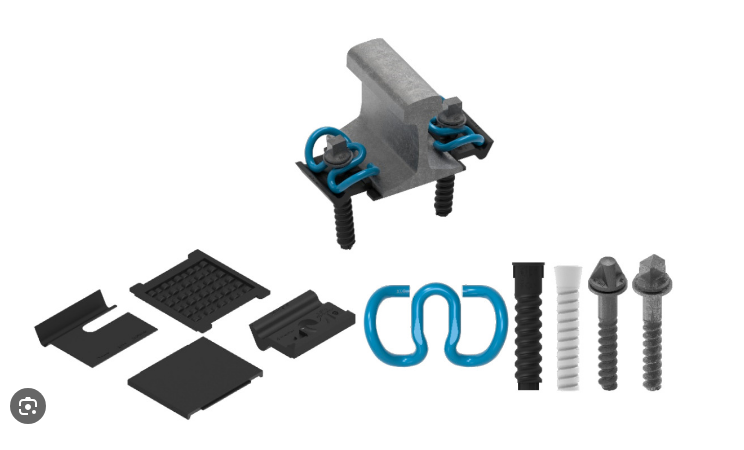
Safety First: The Protective Features of Rail Elastomers in Transportation Systems
Table of Contents
- Introduction to Rail Elastomers
- The Importance of Safety in Rail Transportation
- What Are Rail Elastomers?
- Protective Features of Rail Elastomers
- Applications of Rail Elastomers in Transportation
- Advantages of Using Rail Elastomers
- The Future of Rail Elastomers in Safety Innovations
- Frequently Asked Questions
- Conclusion
Introduction to Rail Elastomers
In the realm of transportation, particularly in rail systems, safety is paramount. One of the unsung heroes of ensuring safety and reliability in railway operations is **rail elastomers**. These advanced materials are engineered to provide critical support in various applications, enhancing the overall performance of rail systems. This article delves deep into the protective features of rail elastomers, emphasizing their significance in maintaining safety standards in transportation.
The Importance of Safety in Rail Transportation
Rail transportation is a vital component of many countries' infrastructure, offering both passenger and freight services. The safety of railway systems is not just about preventing accidents; it encompasses the reliability, comfort, and durability of the components involved. In an industry where the stakes are high, the materials used must meet stringent safety standards. Rail elastomers play a pivotal role in this landscape, providing essential features that contribute to the overall safety and efficiency of rail operations.
What Are Rail Elastomers?
Rail elastomers are specialized materials, typically composed of rubber or synthetic polymer, designed for use in various railway applications. They serve as cushioning elements, seals, and insulators, playing a crucial role in enhancing the performance and safety of rail systems. These materials are engineered to withstand harsh environmental conditions, mechanical stresses, and vibrations, making them indispensable in modern rail infrastructure.
Protective Features of Rail Elastomers
Rail elastomers boast several protective features that significantly enhance their functionality and safety in rail systems.
Vibration Dampening Properties
One of the most critical features of rail elastomers is their **vibration dampening** capabilities. Trains generate substantial vibrations during operation, which can lead to wear and tear on tracks, wagons, and ultimately, the safety of passengers and cargo. Rail elastomers absorb these vibrations, reducing the impact on the infrastructure and extending the lifespan of railway components. This vibration control not only improves comfort for passengers but also minimizes maintenance costs for operators.
Thermal Insulation Characteristics
Rail elastomers also offer excellent **thermal insulation** properties. They help maintain temperature stability within railway systems, protecting sensitive components from extreme heat or cold. This thermal regulation is essential for ensuring the safe operation of electronic systems and other sensitive equipment, as temperature fluctuations can lead to malfunction or failure. Moreover, effective thermal insulation reduces energy consumption, contributing to more sustainable rail operations.
Weather Resistance and Longevity
Railways are exposed to a wide range of weather conditions, from scorching heat to freezing temperatures and heavy rain. **Weather resistance** is a key feature of rail elastomers, which are designed to resist degradation from UV rays, moisture, and temperature fluctuations. This durability ensures that rail elastomers maintain their properties over time, offering reliable performance without frequent replacements. The longevity of these materials not only enhances safety but also reduces the environmental impact associated with material disposal and production.
Applications of Rail Elastomers in Transportation
The application of rail elastomers spans several critical components within the rail transportation sector:
1. Track and Rail Support
Elastomers are often used in track support systems to cushion the rails and reduce noise and vibrations. This application ensures a smoother ride for passengers and minimizes track maintenance.
2. Wheel and Bogie Systems
In wheel and bogie systems, rail elastomers provide critical support, absorbing shocks and maintaining stability during operations. This enhances safety and comfort for both freight and passenger trains.
3. Sealing Applications
Rail elastomers are utilized as seals in various railway applications, preventing the ingress of water and dirt into sensitive areas. This sealing capability promotes the longevity and reliability of essential railway components.
4. Safety Barriers
In some cases, elastomers are used in the construction of safety barriers to protect both passengers and railway workers. These materials can absorb impacts, reducing the risk of injury during accidents.
Advantages of Using Rail Elastomers
The integration of rail elastomers in transportation systems offers numerous advantages beyond their protective features:
1. Enhanced Safety
The primary advantage is the improvement in safety for passengers and cargo. By dampening vibrations, insulating against thermal extremes, and providing structural support, rail elastomers significantly enhance the safety profile of rail operations.
2. Cost-Effectiveness
While the initial investment in high-quality rail elastomers may be higher than traditional materials, their durability and low maintenance requirements lead to significant cost savings in the long run. Reduced frequency of replacements and repairs translates to lower operational costs for rail operators.
3. Environmental Benefits
Rail elastomers contribute to sustainability by reducing waste through their longevity and energy-efficient properties. By minimizing noise pollution and energy consumption, these materials play a crucial role in promoting eco-friendly rail transportation.
4. Improved Passenger Experience
The comfort of passengers is paramount in rail travel. By minimizing vibrations and providing a smoother ride, rail elastomers enhance the overall passenger experience, leading to increased satisfaction and ridership.
The Future of Rail Elastomers in Safety Innovations
Looking ahead, the role of rail elastomers in transportation systems will continue to evolve. Ongoing research and development are focused on creating advanced elastomer compounds that can further enhance safety, reduce environmental impact, and improve performance. Innovations such as self-healing elastomers and smart materials that monitor their condition in real-time are on the horizon, promising to revolutionize the railway industry.
Frequently Asked Questions
1. What are the main functions of rail elastomers?
Rail elastomers primarily serve to dampen vibrations, provide thermal insulation, seal sensitive areas, and support structural integrity in rail systems.
2. How do rail elastomers improve safety?
By absorbing vibrations and impacts, insulating against temperature extremes, and protecting sensitive components, rail elastomers enhance the overall safety of railway operations.
3. Are rail elastomers environmentally friendly?
Yes, rail elastomers are designed for longevity and energy efficiency, reducing waste and environmental impact compared to traditional materials.
4. How do rail elastomers contribute to passenger comfort?
By minimizing vibrations and providing a smoother ride, rail elastomers significantly enhance the passenger experience, leading to increased comfort and satisfaction.
5. What advancements can we expect in rail elastomer technology?
Future innovations may include self-healing elastomers, smart materials that monitor their performance, and improved compounds for enhanced durability and safety.
Conclusion
Rail elastomers are indispensable in the modern transportation landscape, providing vital protective features that enhance safety, durability, and performance. As the industry continues to evolve, these materials will play a crucial role in shaping the future of rail systems, ensuring that safety remains a top priority. Emphasizing the significance of rail elastomers not only highlights their essential functions but also promotes innovation in the quest for safer and more efficient rail transportation. Investing in advanced elastomer technologies will ultimately lead to enhanced safety, lower costs, and a more sustainable future for the rail industry.
Recommended

Why do clients choose us for their railway fastening projects?
Advantages of Henan Xinda Railway Equipment Co.,ltd
Contact Us
Henan Xinda Railway Equipment Co., Ltd
Fax: +86-372-2372333
Email:info@xindarail.com/aimee@xindarail.com
WeChat:XindaRail






Send us your request
we will get in touch with you as soon as possible