

Understanding Railway Stud Bolts: Essential Components for Reliable Infrastructure
Apr 23,2026
Railway stud bolts are specialized fasteners designed to connect various components within the railway infrastructure. These bolts are typically used to secure tracks, making them vital for maintaining proper alignment and structural integrity. Understanding their design and application can significantly impact the reliability of railway systems. One of the primary functions of railway stud bolts
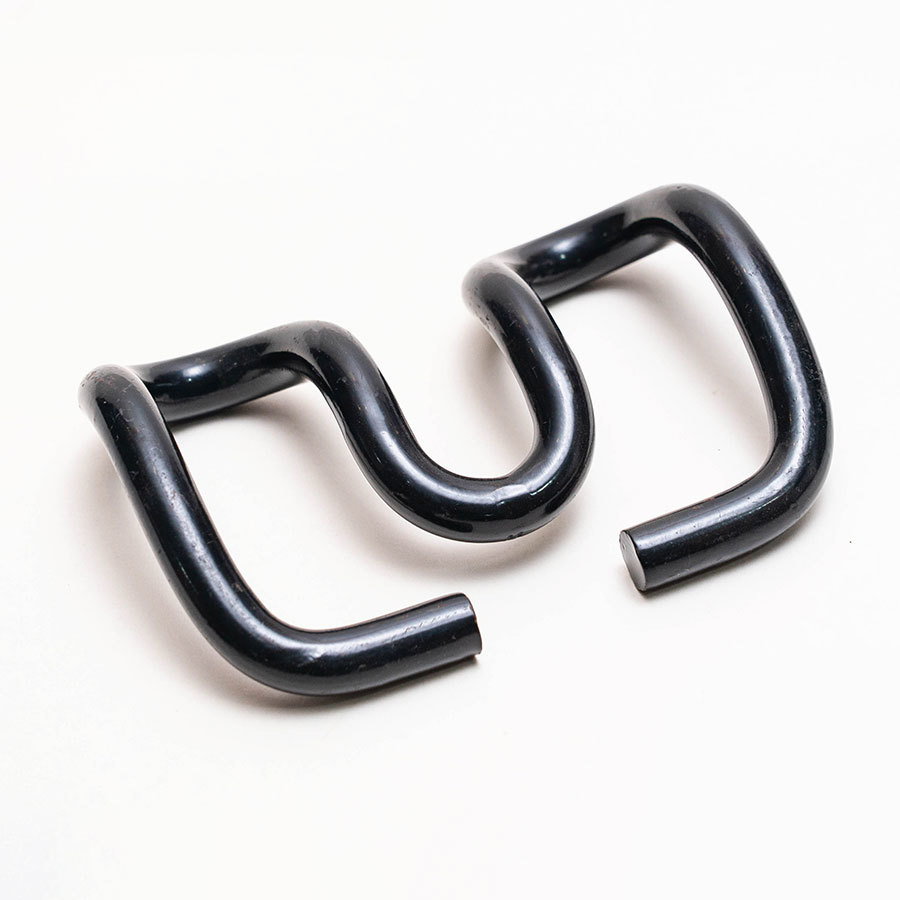
One of the primary functions of railway stud bolts is to provide secure connections that can withstand significant forces. The railway environment often exposes these bolts to dynamic loads, vibrations, and environmental conditions, necessitating the use of high-strength materials. Typically constructed from carbon steel or stainless steel, railway stud bolts are engineered to resist corrosion and fatigue, ensuring longevity and performance under demanding conditions.
When selecting railway stud bolts, professionals must consider several factors. Firstly, the bolt's diameter and length are critical as they determine the load-bearing capacity and fit within the application. Additionally, the thread type and pitch must align with the corresponding nuts and components to ensure proper assembly and prevent loosening over time.
Installation practices also play a significant role in the effectiveness of railway stud bolts. Proper torque specifications must be adhered to, as under-tightening can lead to failures due to movement, while over-tightening may cause damage to the bolt or surrounding materials. Employing torque wrenches and adhering to industry standards can help ensure optimal performance.
Another crucial aspect is the maintenance of railway stud bolts. Regular inspections should be conducted to identify any signs of wear, corrosion, or loosening. Implementing a proactive maintenance schedule can help mitigate risks associated with bolt failure, which could lead to costly downtime and safety hazards.
In conclusion, railway stud bolts are indispensable elements in the infrastructure of railway systems. Their ability to provide strong, reliable connections under various conditions underscores their importance in maintaining safe and efficient rail operations. For professionals involved in the design, installation, and maintenance of railway systems, understanding the intricacies of railway stud bolts is essential for ensuring the longevity and safety of the infrastructure. By considering factors such as material selection, installation practices, and maintenance routines, practitioners can contribute to the overall resilience of railway networks, supporting their critical role in transportation and commerce.
Recommended

Why do clients choose us for their railway fastening projects?
Advantages of Henan Xinda Railway Equipment Co.,ltd
Contact Us
Henan Xinda Railway Equipment Co., Ltd
Fax: +86-372-2372333
Email:info@xindarail.com/aimee@xindarail.com
WeChat:XindaRail






Send us your request
we will get in touch with you as soon as possible