
Key Features to Look for in High-Quality Rail Fastening Systems
May 29,2026
Key Features to Look for in High-Quality Rail Fastening Systems Rail transport is a vital component of modern infrastructure, facilitating not only the movement of goods but also the daily commute of millions. At the heart of this system lies a critical element: rail fastening systems. The reliability and performance of these systems significantly influence overall operational efficiency and safet
Key Features to Look for in High-Quality Rail Fastening Systems
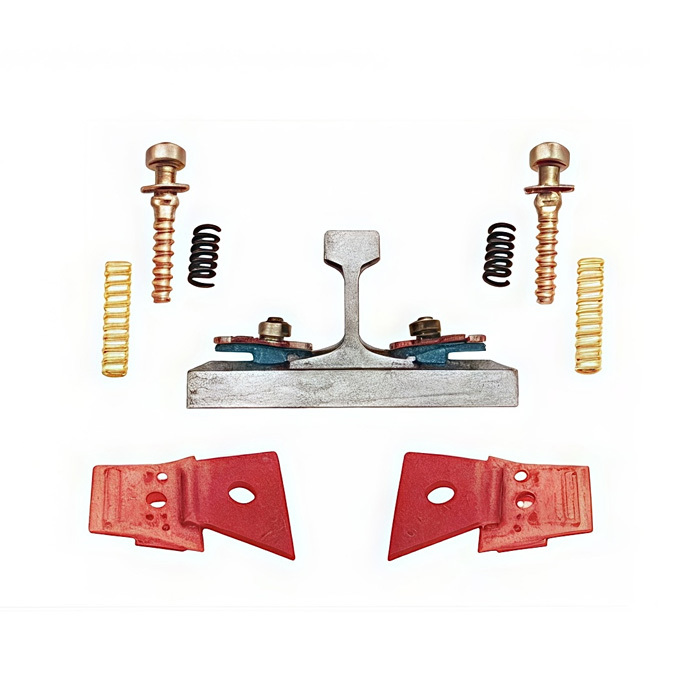
Rail transport is a vital component of modern infrastructure, facilitating not only the movement of goods but also the daily commute of millions. At the heart of this system lies a critical element: rail fastening systems. The reliability and performance of these systems significantly influence overall operational efficiency and safety. In this article, we delve into the **key features** that define **high-quality rail fastening systems**, ensuring they meet the rigorous demands of the rail industry.
Table of Contents
- Understanding Rail Fastening Systems
- The Importance of Quality in Rail Fastening Systems
- Key Features of High-Quality Rail Fastening Systems
- Material Durability
- Design and Engineering
- Ease of Installation and Maintenance
- Vibration and Noise Reduction
- Safety Features
- Technological Advancements in Rail Fastening Systems
- Environmental Considerations in Rail Fastening
- Cost-Effectiveness and Lifecycle Analysis
- Frequently Asked Questions
- Conclusion
Understanding Rail Fastening Systems
Rail fastening systems play a pivotal role in securing rails to their supporting structures, such as ties or sleepers. These systems ensure that the rail remains stable under varying conditions, including weight loads, temperature fluctuations, and external forces like wind and seismic activity. A robust fastening system is integral to the operational safety and efficiency of rail networks.
The Importance of Quality in Rail Fastening Systems
High-quality rail fastening systems are paramount for several reasons:
1. **Safety**: The primary concern of any rail system is to ensure the safety of passengers and cargo. Poor-quality fastening can lead to derailments, catastrophic accidents, and significant financial losses.
2. **Durability**: Rail systems face constant wear and tear from heavy loads, environmental conditions, and temperature changes. Quality fastening systems must withstand these challenges without compromising structural integrity.
3. **Cost Efficiency**: Investing in high-quality fastening systems reduces maintenance costs and increases the lifespan of rail infrastructure, leading to substantial savings in the long run.
4. **Operational Efficiency**: A well-designed fastening system contributes to smoother rides, reducing wear on trains and improving overall service efficiency.
Key Features of High-Quality Rail Fastening Systems
To ensure safety, efficiency, and durability, several key features characterize high-quality rail fastening systems.
Material Durability
The materials used in rail fastening systems must be strong, resilient, and resistant to corrosion. Common materials include:
- **Steel**: Known for its tensile strength, steel is often used in rail clips and bolts. It can withstand heavy loads and environmental factors.
- **Plastic and Composite Materials**: These materials are increasingly being used due to their lightweight properties and resistance to corrosion. They help in reducing overall maintenance costs.
High-quality fastening systems are often coated with protective materials to enhance durability and resistance to environmental factors, such as moisture and temperature changes.
Design and Engineering
The design of rail fastening systems directly impacts their performance. Important design aspects include:
- **Modular Design**: High-quality systems often feature modular designs, allowing for easy customization and repair. This flexibility ensures compatibility with various rail types and configurations.
- **Load Distribution**: Effective load distribution reduces stress on rail and supporting structures, enhancing longevity and safety.
- **Dynamic Performance**: Well-engineered fastening systems should accommodate the dynamic forces produced by moving trains, minimizing wear and enhancing stability.
Ease of Installation and Maintenance
Fastening systems that are easy to install and maintain save time and money. Key considerations include:
- **User-Friendly Installation**: High-quality fastening systems should come with clear installation guidelines and require minimal tools for setup. This reduces downtime during installation.
- **Maintenance Accessibility**: Systems designed for easy inspection and maintenance contribute to operational efficiency. Components that can be quickly accessed and replaced will minimize service disruptions.
Vibration and Noise Reduction
Modern rail fastening systems incorporate technologies to reduce vibration and noise. Features may include:
- **Sound Absorption Materials**: Utilizing materials that absorb sound can significantly reduce noise pollution in urban areas.
- **Vibration Damping Designs**: Innovative designs that dampen vibrations improve passenger comfort and reduce wear on the rail infrastructure.
Safety Features
Safety is a non-negotiable aspect of rail fastening systems. Important safety features include:
- **Fail-Safe Mechanisms**: High-quality systems often incorporate fail-safe designs that ensure functionality even if one component fails.
- **Regular Inspection Indicators**: Systems designed with indicators for wear or damage can help in proactive maintenance and timely interventions.
Technological Advancements in Rail Fastening Systems
The rail industry continually evolves, implementing new technologies to improve fastening systems. Key advancements include:
- **Smart Fastening Systems**: Some modern systems are equipped with sensors that monitor wear and performance in real-time, allowing for predictive maintenance.
- **Eco-Friendly Materials**: Increasing awareness of environmental sustainability has led to innovations in using recycled and eco-friendly materials in fastening systems.
- **Computational Design Tools**: Advanced software tools are enhancing the design process, allowing for simulations that predict system performance under various conditions.
Environmental Considerations in Rail Fastening
As sustainability becomes a global priority, rail fastening systems must also consider environmental impacts. Key aspects include:
- **Sourcing Materials Responsibly**: High-quality systems often come from responsibly sourced materials, minimizing the ecological footprint.
- **End-of-Life Recycling Options**: Systems designed with end-of-life recycling in mind contribute to sustainable practices within the rail industry.
Cost-Effectiveness and Lifecycle Analysis
Investing in high-quality rail fastening systems may involve higher upfront costs, but the long-term benefits are significant. A lifecycle analysis should consider:
- **Maintenance Costs**: High-quality systems are typically associated with lower maintenance requirements, leading to decreased operational costs.
- **Longevity**: The extended lifespan of durable fastening systems translates into fewer replacements, making them a cost-effective choice over time.
- **Operational Efficiency**: Improved performance and safety can lead to higher operational efficiency and better financial returns for rail operators.
Frequently Asked Questions
1. What are rail fastening systems?
Rail fastening systems are components that secure rails to their supporting structures, ensuring stability and safety during train operations.
2. Why is material durability important in rail fastening systems?
Material durability is crucial as it affects the system's ability to withstand heavy loads, environmental conditions, and prolonged usage without failure.
3. How do rail fastening systems contribute to safety?
High-quality fastening systems incorporate various safety features, including fail-safe mechanisms and regular inspection indicators, to prevent accidents and ensure operational reliability.
4. What advancements are being made in rail fastening technology?
Advancements include smart fastening systems with real-time monitoring, the use of eco-friendly materials, and improved design tools for enhanced performance.
5. How do I choose the right rail fastening system for my project?
Consider factors such as material durability, design, ease of installation, maintenance needs, and safety features when selecting a rail fastening system.
Conclusion
Investing in high-quality rail fastening systems is essential for ensuring the safety, efficiency, and durability of rail transport. By understanding the key features that define these systems—such as material durability, innovative design, ease of installation, and safety mechanisms—rail operators can make informed decisions that enhance operational performance. Additionally, staying abreast of technological advancements and considering environmental factors further solidifies the importance of selecting superior rail fastening solutions. In a rapidly evolving industry, prioritizing quality in rail fastening systems is not just a choice; it’s a necessity for sustainable and safe rail transport.
Recommended

The strength and influence of Henan Xinda Railway Equipment Co., Ltd.
Shining in Berlin: Henan Xinda Railway Equipment Co.ltd Concludes a Successful InnoTrans 2026
Henan Xinda Railway Equipment Co., Ltd. participated in the International Trade Fair for Transport Technology (InnoTrans) in Germany
Contact Us
Henan Xinda Railway Equipment Co., Ltd
Fax: +86-372-2372333
Email:info@xindarail.com
WeChat:XindaRail






Send us your request
we will get in touch with you as soon as possible