
Understanding Rail Fastening Systems: Key to Efficient Rail Transport
Jun 02,2026
Rail fastening systems play a pivotal role in the efficiency and safety of rail transport. These systems are responsible for securing the rails to the railway sleepers, which are typically made of concrete or wood. A well-designed rail fastening system ensures that the track remains stable under various conditions, contributing to the overall reliability of rail services. One of the primary functi
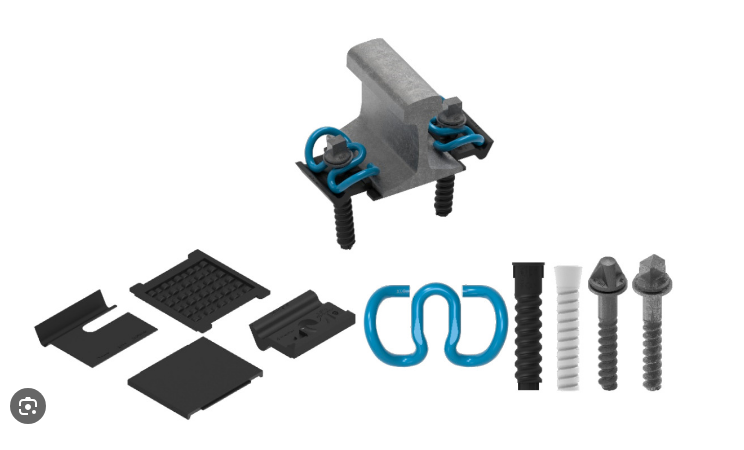
One of the primary functions of a rail fastening system is to maintain the alignment of the rails. This is critical because any misalignment can result in derailments, which pose serious safety hazards. Effective rail fastening systems accommodate the thermal expansion of rails due to temperature changes, preventing buckling and other track failures.
There are several types of rail fastening systems, each designed for specific applications and conditions. For instance, clip systems are widely used due to their ease of installation and maintenance. They can be divided into two main categories: elastic and non-elastic clips. Elastic clips offer a degree of flexibility, allowing for slight movements without compromising the track's integrity, while non-elastic clips provide a more rigid support.
Another common type includes sleeper screws and baseplate systems. These systems utilize screws to anchor the rail to the sleeper, often providing superior stability in heavy-load scenarios. Moreover, some fastening systems are designed for high-speed rail, where dynamic forces are significantly higher, necessitating advanced engineering solutions.
The choice of rail fastening system can greatly influence the overall cost and efficiency of rail construction and maintenance. A robust fastening system can minimize track maintenance requirements, reduce downtime, and enhance the lifespan of the rail infrastructure. Furthermore, modern innovations in rail fastening technology aim to improve the performance of these systems. This includes the use of advanced materials that can withstand harsher environmental conditions, thus extending the service life of the components.
In addition to safety and stability, rail fastening systems also contribute to the noise and vibration management of rail operations. Effective fastening can reduce the transmission of vibrations from the trains to the surrounding areas, which is vital for urban rail systems located close to residential areas.
In conclusion, rail fastening systems are an integral part of the rail transportation network, ensuring that trains operate safely and efficiently. By understanding the various types and functions of these fastening systems, stakeholders in the transportation sector can make informed decisions that enhance the safety and reliability of rail transport. Investing in the right rail fastening system not only boosts operational efficiency but also contributes to the overall sustainability of the rail network.
Recommended

Xinda Introduces KB65 Railway Tie Plate – Now Available for Customer Orders
Xinda Railway Equipment Co., Ltd. has added the KB65 railway tie plate (baseplate) to its product portfolio, expanding the company's offering for customers operating under GOST standards.
Xinda Optimizes KB65 Railway Tie Plate – New Samples Available for Customer Testing
Xinda Railway Equipment Co., Ltd. has completed a new round of optimization for its KB65 railway tie plate, a key component used in railway fastening systems.
Contact Us
Henan Xinda Railway Equipment Co., Ltd
Fax: +86-372-2372333
Email:info@xindarail.com
WeChat:XindaRail






Send us your request
we will get in touch with you as soon as possible