
How Rail Fastening Systems Enhance Track Stability and Durability
Jun 06,2026
How Rail Fastening Systems Enhance Track Stability and Durability Table of Contents 1. Introduction to Rail Fastening Systems 2. The Importance of Track Stability in Rail Transportation 3. Types of Rail Fastening Systems 3.1 Clip Systems 3.2 Bolt Systems 3.3 Screw Systems 4. How Rail Fastening Systems Work 5. Benefits of Using Rail Fastening Systems
How Rail Fastening Systems Enhance Track Stability and Durability
Table of Contents
- 1. Introduction to Rail Fastening Systems
- 2. The Importance of Track Stability in Rail Transportation
- 3. Types of Rail Fastening Systems
- 4. How Rail Fastening Systems Work
- 5. Benefits of Using Rail Fastening Systems
- 6. Maintenance Practices for Rail Fastening Systems
- 7. Innovations in Rail Fastening Technology
- 8. Frequently Asked Questions
- 9. Conclusion
1. Introduction to Rail Fastening Systems
Rail fastening systems are critical components in modern rail transport, securing the rails to the railway ties and ensuring that the entire track system remains stable under various conditions. The effectiveness of these systems significantly influences the safety and efficiency of rail services. As rail networks expand and upgrade, understanding the intricacies of rail fastening systems becomes increasingly important for industry professionals.
2. The Importance of Track Stability in Rail Transportation
Track stability is paramount in rail operations. Trains operate at high speeds, and any instability can lead to catastrophic failures. Track stability is determined by how well the rails are secured, influencing factors such as ride quality, safety, and maintenance costs. Rail fastening systems play a crucial role in maintaining track alignment and integrity, allowing trains to operate smoothly and safely.
3. Types of Rail Fastening Systems
Rail fastening systems can be categorized into several types, each designed to meet specific needs based on track conditions and operational demands. Understanding these types helps in selecting the right system for different rail applications.
3.1 Clip Systems
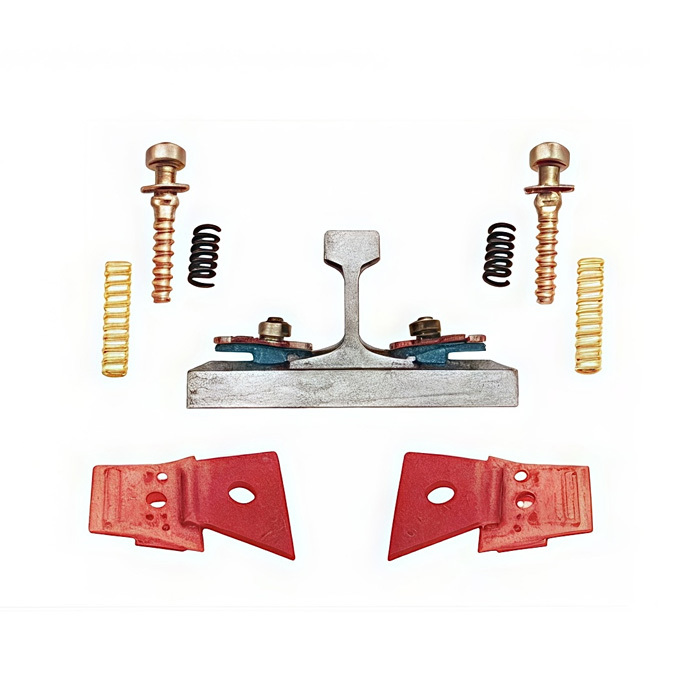
Clip systems are one of the most common fastening methods used today. They involve elastic clips that hold the rail in place, providing a flexible yet secure connection. These systems are known for their ease of installation and maintenance, making them suitable for various environments, including heavy-duty applications.
3.2 Bolt Systems
Bolt systems utilize threaded fasteners to secure the rails to the ties. They provide a robust connection, suitable for high-stress environments. The key advantage of bolt systems is their ability to be easily adjusted and replaced, ensuring a long service life even under extreme conditions.
3.3 Screw Systems
Screw systems involve the use of screws to secure the rail to the ties. These systems are particularly effective in minimizing vibration and sound, contributing to a quieter and smoother ride. Their installation can be more labor-intensive compared to clip systems, but they offer excellent stability.
4. How Rail Fastening Systems Work
Rail fastening systems function by transferring the loads exerted by the train wheels onto the rail ties. This load transfer is critical in maintaining the alignment and integrity of the track. Fastening systems also absorb vibrations and shocks from moving trains, which helps to prevent rail wear and tear.
The efficiency of a rail fastening system depends on several factors: the type of materials used, the design of the system, and the precision of installation. Modern systems are designed to accommodate thermal expansion and contraction of the rails, preventing deformation and misalignment.
5. Benefits of Using Rail Fastening Systems
The use of rail fastening systems brings numerous benefits, enhancing both the performance and longevity of rail tracks.
5.1 Enhancing Track Stability
Rail fastening systems significantly enhance track stability by keeping the rails securely attached to the ties. This stability reduces the risk of derailments, which can have disastrous consequences. By minimizing lateral movements and ensuring proper alignment, these systems allow trains to operate at higher speeds safely.
5.2 Increasing Durability
Durability is another significant benefit of effective rail fastening systems. High-quality materials and innovative designs reduce wear and tear, prolonging the lifespan of both the rails and the fastening components. Proper maintenance and timely replacement of worn components further boost the overall durability of the track infrastructure.
6. Maintenance Practices for Rail Fastening Systems
To ensure optimal performance, regular maintenance of rail fastening systems is essential. Maintenance practices include:
- **Visual Inspections**: Regularly checking for signs of wear, corrosion, or damage to fastening components.
- **Tightness Checks**: Ensuring that all bolts and screws are adequately tightened to prevent loosening over time.
- **Replacement of Worn Parts**: Promptly replacing any worn or damaged components to maintain system integrity.
- **Monitoring Environmental Conditions**: Keeping an eye on factors such as temperature fluctuations and moisture levels that can affect system performance.
Implementing a proactive maintenance strategy not only extends the lifespan of the fastening system but also enhances overall rail safety.
7. Innovations in Rail Fastening Technology
The rail industry is continuously evolving, with new technologies emerging to improve rail fastening systems. Innovations include:
- **Smart Fastening Systems**: These systems incorporate sensors that monitor the condition of the fastening components in real-time. They provide data on stress levels, vibrations, and wear, allowing for timely maintenance interventions.
- **Advanced Materials**: New composite materials are being developed that offer higher resistance to corrosion and wear, further enhancing durability.
- **Modular Designs**: Modular fastening systems facilitate quicker installation and maintenance, reducing downtime and improving efficiency.
These advancements not only enhance the performance of rail fastening systems but also contribute to safer and more efficient rail transportation.
8. Frequently Asked Questions
What are rail fastening systems made of?
Rail fastening systems are typically made from high-strength steel, composites, or specialized alloys designed to withstand the rigors of rail transport.
How often should rail fastening systems be inspected?
Regular inspections should occur at least once a year, though more frequent checks are advisable in high-traffic areas or extreme weather conditions.
Can rail fastening systems be reused?
Yes, many components of rail fastening systems can be reused if they are still in good condition. However, any worn or damaged parts should be replaced to ensure safety.
What is the average lifespan of rail fastening systems?
The lifespan of rail fastening systems can vary widely based on materials used, environmental conditions, and maintenance practices. On average, they can last between 20 to 30 years with proper maintenance.
Do rail fastening systems affect train speed?
Yes, effective rail fastening systems contribute to track stability, which allows trains to operate at higher speeds safely. Inadequate fastening can lead to instability, limiting speed and increasing the risk of accidents.
9. Conclusion
Rail fastening systems play a vital role in enhancing track stability and durability, ensuring the safe and efficient operation of rail transport. By understanding the various types of fastening systems, their mechanics, and the benefits they offer, industry professionals can make informed decisions for the maintenance and improvement of rail infrastructure. Continuous innovations in fastening technology promise even greater efficiency and safety in the future, making it essential to stay updated on best practices and advancements. As we move forward, investing in quality fastening systems will undoubtedly lead to a more robust and reliable rail network.
Recommended

Why do clients choose us for their railway fastening projects?
Advantages of Henan Xinda Railway Equipment Co.,ltd
Contact Us
Henan Xinda Railway Equipment Co., Ltd
Fax: +86-372-2372333
Email:info@xindarail.com/aimee@xindarail.com
WeChat:XindaRail





Send us your request
we will get in touch with you as soon as possible