
Essential Insights into Rail Fasteners in the Rail Transportation Industry
Apr 21,2025
Rail fasteners play a pivotal role in the safety and reliability of rail transport systems. These essential components secure the tracks to the sleepers, maintaining the alignment and stability necessary for trains to operate smoothly. Understanding the different types of rail fasteners and their functions is crucial for anyone involved in the rail industry. There are various types of rail fastene
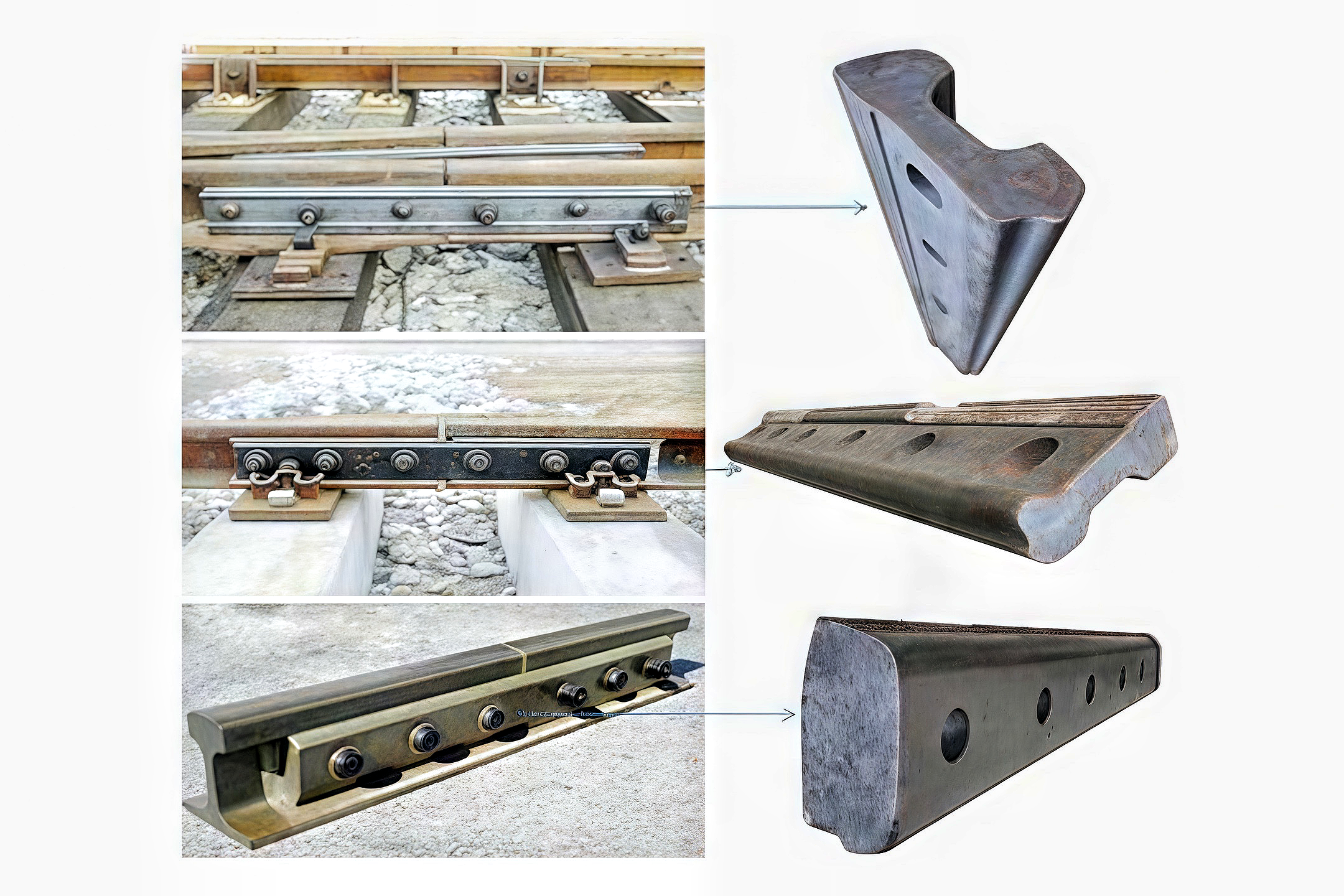
There are various types of rail fasteners, each designed to serve specific purposes. The most commonly used rail fasteners include clips, bolts, and spikes. Rail clips are particularly important as they provide a flexible yet secure method of fastening the rail to the sleeper. They allow for some movement, accommodating thermal expansion and contraction without compromising safety. Bolts and spikes, on the other hand, are typically used in more traditional track configurations, providing a robust and fixed attachment.
The materials used in manufacturing rail fasteners are important for their functionality and durability. Common materials include steel and various alloys, which offer the strength and resilience necessary to withstand the significant forces exerted by trains. Additionally, some rail fasteners are treated with coatings to enhance their resistance to corrosion, extending their lifespan and reducing maintenance costs.
Rail fasteners not only ensure the physical stability of the tracks but also contribute to the overall safety of rail operations. A poorly secured rail can lead to track misalignment, which poses significant risks, including derailments. Regular inspection and maintenance of rail fasteners are, therefore, essential practices within the rail industry. Rail operators often implement stringent monitoring protocols to detect wear and tear, ensuring that fasteners remain in optimal condition.
Moreover, advancements in technology have led to the development of innovative rail fasteners that improve installation efficiency and performance. For instance, some modern fasteners are designed for quick installation and removal, which is particularly beneficial during maintenance activities. These innovations not only enhance safety but also reduce downtime, allowing for more efficient rail operations.
In summary, rail fasteners are a fundamental aspect of rail transportation, ensuring the stability and safety of train operations. Understanding their types, materials, and maintenance requirements is essential for professionals in the rail industry. By prioritizing the integrity of rail fasteners, operators can help ensure a safe and efficient rail network, ultimately benefiting the entire transportation system.
Recommended

Xinda Introduces KB65 Railway Tie Plate – Now Available for Customer Orders
Xinda Railway Equipment Co., Ltd. has added the KB65 railway tie plate (baseplate) to its product portfolio, expanding the company's offering for customers operating under GOST standards.
Xinda Optimizes KB65 Railway Tie Plate – New Samples Available for Customer Testing
Xinda Railway Equipment Co., Ltd. has completed a new round of optimization for its KB65 railway tie plate, a key component used in railway fastening systems.
Contact Us
Henan Xinda Railway Equipment Co., Ltd
Fax: +86-372-2372333
Email:info@xindarail.com
WeChat:XindaRail






Send us your request
we will get in touch with you as soon as possible