
Rail Fasteners: The Backbone of Modern Rail Networks
Apr 22,2025
Rail Fasteners: The Backbone of Modern Rail Networks In the realm of transportation, few components are as critical to the functionality of rail networks as rail fasteners. These seemingly small devices play a significant role in maintaining the integrity and safety of rail systems worldwide. As we delve into the intricacies of rail fasteners, we will explore their types, applications, and evolvin
Rail Fasteners: The Backbone of Modern Rail Networks
In the realm of transportation, few components are as critical to the functionality of rail networks as rail fasteners. These seemingly small devices play a significant role in maintaining the integrity and safety of rail systems worldwide. As we delve into the intricacies of rail fasteners, we will explore their types, applications, and evolving technology, illuminating their essential contributions to modern rail infrastructure.
Table of Contents
- 1. Introduction to Rail Fasteners
- 2. Types of Rail Fasteners
- 3. The Functions of Rail Fasteners
- 4. Materials Used in Rail Fasteners
- 5. Applications of Rail Fasteners in Modern Rail Systems
- 6. Innovations in Rail Fastener Technology
- 7. Maintenance and Inspection of Rail Fasteners
- 8. The Future of Rail Fasteners in Rail Transportation
- 9. Frequently Asked Questions (FAQs)
- 10. Conclusion
1. Introduction to Rail Fasteners
Rail fasteners serve as the crucial link between the rails and the ties, providing stability and alignment essential for safe train operations. They prevent rail movement caused by thermal expansion, vibration, and the weight of passing trains. The importance of rail fasteners cannot be overstated, as they ensure that rail systems function efficiently and safely, minimizing the risk of derailments and other incidents.
2. Types of Rail Fasteners
Rail fasteners come in various forms, each designed for specific applications and environmental conditions. Understanding the different types helps in selecting the right fastener for particular rail systems.
2.1 Rail Clips
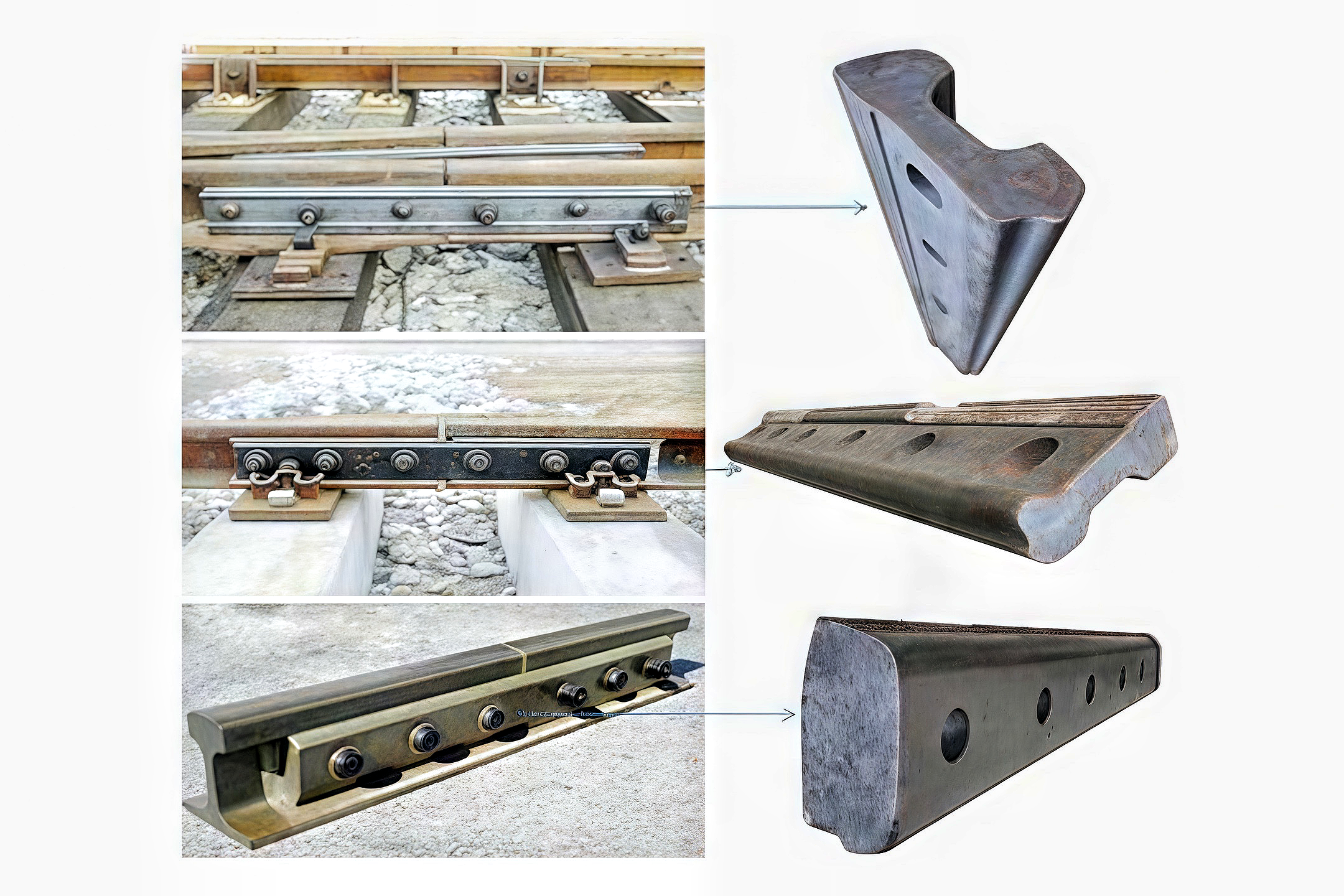
Rail clips, often made of high-strength steel, are designed to hold the rail in place on the tie. They provide lateral stability and are commonly used in combination with concrete ties. Rail clips come in various designs, including the elastic rail clip, which allows for thermal expansion and contraction.
2.2 Rail Bolts
Rail bolts are essential for fastening rail sections together. Used in conjunction with nuts and washers, these bolts ensure a secure connection between the rail and the tie. High-strength, corrosion-resistant materials are often used to extend their lifespan and performance in challenging environments.
2.3 Rail Spikes
Rail spikes, typically made from heavy-duty steel, are driven through the rail base into the tie to secure the rail in place. They are favored in traditional wooden tie applications and are known for their simplicity and affordability. However, maintenance is crucial as they can loosen over time due to the dynamic forces exerted by passing trains.
2.4 Tie Plates
Tie plates serve as a buffer between the rail and the tie, distributing the load from the rail to the tie. They help prevent the tie from wearing out due to friction and are often made from steel or plastic. Tie plates are critical in maintaining the gauge and alignment of the rails, particularly in heavy-haul applications.
3. The Functions of Rail Fasteners
The primary functions of rail fasteners include:
- Load Distribution: Rail fasteners distribute the weight of the trains evenly across the ties, reducing local stress and prolonging the life of the track.
- Alignment Maintenance: They help maintain the correct gauge and alignment of the rails, preventing derailments caused by misaligned tracks.
- Vibration and Noise Reduction: Fasteners absorb vibrations generated by passing trains, contributing to a smoother ride and reduced noise levels in surrounding areas.
- Thermal Expansion Management: Fasteners accommodate rail expansion and contraction due to temperature changes, preventing rail buckling.
4. Materials Used in Rail Fasteners
The materials chosen for rail fasteners directly impact their performance and longevity. Common materials include:
- Steel: High-strength steel is widely used for its durability and ability to withstand heavy loads. It is often galvanized or coated to resist corrosion.
- Aluminum: Lightweight and resistant to corrosion, aluminum is sometimes used for rail clips in specific environments.
- Plastic Composites: In modern applications, composite materials are used for tie plates to reduce weight and resist wear and corrosion.
5. Applications of Rail Fasteners in Modern Rail Systems
The applications of rail fasteners extend across various sectors of rail transportation:
- High-Speed Rail: Fasteners designed for high-speed rail systems must withstand greater forces and thermal variations, ensuring safety at elevated speeds.
- Freight Transport: Heavy-haul freight trains require robust fasteners that can handle substantial loads without deformation.
- Urban Transit: In urban environments, rail fasteners are designed to minimize noise and vibration to enhance commuter comfort.
6. Innovations in Rail Fastener Technology
Rail fastener technology continues to evolve, with innovations aimed at enhancing performance and safety:
- Smart Fasteners: Incorporating sensors, smart fasteners can monitor track conditions and track integrity in real time, facilitating proactive maintenance.
- Improved Coatings: Advanced coatings are being developed to enhance corrosion resistance, allowing fasteners to perform better in harsh environments.
- 3D Printing: Emerging technologies like 3D printing could revolutionize the manufacturing of fasteners, enabling rapid prototyping and custom designs.
7. Maintenance and Inspection of Rail Fasteners
Regular maintenance and inspection of rail fasteners are vital to ensure their reliability:
- Visual Inspections: Conducting routine visual inspections can help identify loose or damaged fasteners before they lead to significant issues.
- Torque Checks: Ensuring that bolts are properly torqued and secured is crucial for maintaining the integrity of the track.
- Replacement Protocols: Implementing a systematic protocol for replacing worn or damaged fasteners can enhance overall rail network safety.
8. The Future of Rail Fasteners in Rail Transportation
As the rail industry continues to advance, the future of rail fasteners looks promising:
- Increased Use of Sustainable Materials: A growing emphasis on sustainability will drive the use of eco-friendly materials in rail fasteners.
- Integration of IoT: The Internet of Things (IoT) will play a significant role in the evolution of smart rail systems, enhancing the functionality of rail fasteners.
- Enhanced Safety Features: Future innovations will likely focus on developing fasteners with improved safety features to further reduce the risk of rail incidents.
9. Frequently Asked Questions (FAQs)
What role do rail fasteners play in rail safety?
Rail fasteners ensure the stability and alignment of rails, preventing derailments and ensuring safe train operations.
How often should rail fasteners be inspected?
Regular inspections, typically every few months, are recommended to detect any wear or damage early.
What materials are commonly used for rail fasteners?
High-strength steel is most common, but aluminum and plastic composites are also used in certain applications.
How do rail fasteners accommodate thermal expansion?
Fasteners like rail clips are designed to allow slight movement, accommodating changes in rail length due to temperature variations.
What innovations are shaping the future of rail fasteners?
Smart technology, advanced coatings, and 3D printing are among the innovations transforming rail fastener technology.
10. Conclusion
Rail fasteners are more than mere components of the rail system; they are integral to ensuring the safety, efficiency, and longevity of rail transportation. As technology advances and the demand for more sustainable practices grows, the future of rail fasteners will undoubtedly bring forth innovative solutions that will enhance rail networks worldwide. By understanding their types, functions, and applications, we can appreciate the critical role rail fasteners play in the modern rail industry.
Previous:
Recommended

Xinda Introduces KB65 Railway Tie Plate – Now Available for Customer Orders
Xinda Railway Equipment Co., Ltd. has added the KB65 railway tie plate (baseplate) to its product portfolio, expanding the company's offering for customers operating under GOST standards.
Xinda Optimizes KB65 Railway Tie Plate – New Samples Available for Customer Testing
Xinda Railway Equipment Co., Ltd. has completed a new round of optimization for its KB65 railway tie plate, a key component used in railway fastening systems.
Contact Us
Henan Xinda Railway Equipment Co., Ltd
Fax: +86-372-2372333
Email:info@xindarail.com
WeChat:XindaRail






Send us your request
we will get in touch with you as soon as possible