

Understanding Rail Fasteners: The Backbone of Railway Infrastructure
Apr 19,2025
Rail fasteners are essential components in the railway industry, playing a pivotal role in maintaining the integrity and safety of rail tracks. These devices are designed to secure the rails to the underlying railway ties, ensuring that trains can operate smoothly and safely. The functionality of rail fasteners directly impacts the performance and longevity of railway systems, making them an integ
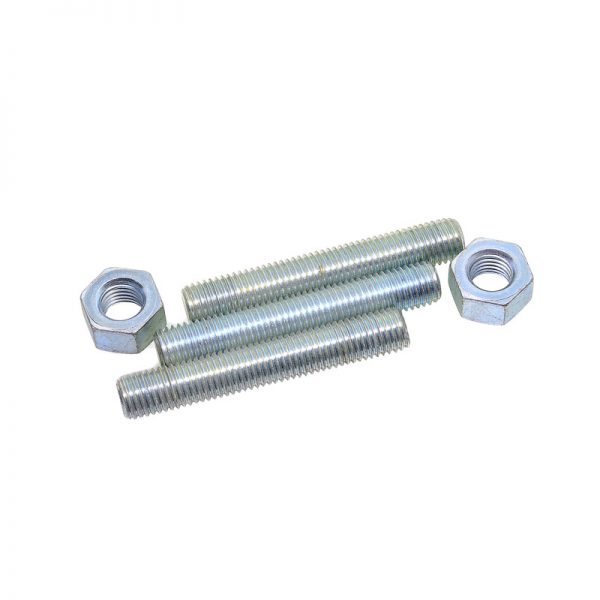
There are several types of rail fasteners, each serving specific purposes. The most common types include clips, spikes, and anchors. Rail clips, often made from steel or other durable materials, are used to hold the rail securely in place, allowing for minimal movement. Spikes, on the other hand, are driven into the tie to secure the rail and prevent lateral movement. Anchors are used to stabilize the track by securing the ends of the rail, preventing them from shifting due to the immense forces exerted by moving trains.
The choice of rail fasteners can significantly affect the overall performance of the railway system. High-quality fasteners contribute to smoother rides, reduced noise, and less wear and tear on both trains and tracks. Furthermore, proper installation and maintenance of rail fasteners are crucial. Regular inspections can identify wear or damage, allowing for timely replacements or adjustments that can prevent accidents and prolong the life of the railway infrastructure.
In addition to enhancing the safety and efficiency of rail transportation, rail fasteners also contribute to operational cost savings. By minimizing track maintenance needs and extending the lifespan of rail components, rail operators can reduce downtime and improve service reliability. This is particularly important in an industry where timely transportation of goods and passengers is critical.
Innovations in rail fastener technology are continually evolving, with advancements aimed at improving their durability and performance. For instance, some modern rail fasteners are designed to accommodate the thermal expansion and contraction of rails due to temperature changes, thereby reducing the risk of track buckling in extreme weather conditions. Additionally, the development of noise-reducing fasteners helps mitigate the environmental impact of railway operations, making rail transport a more sustainable choice.
Overall, rail fasteners are a fundamental aspect of railway systems that ensure safety, efficiency, and longevity. Their importance cannot be overstated, as they form the backbone of rail infrastructure. Understanding the various types and their functions can help professionals in the transportation sector make informed decisions that enhance railway operations.
Recommended

Xinda Introduces KB65 Railway Tie Plate – Now Available for Customer Orders
Xinda Railway Equipment Co., Ltd. has added the KB65 railway tie plate (baseplate) to its product portfolio, expanding the company's offering for customers operating under GOST standards.
Xinda Optimizes KB65 Railway Tie Plate – New Samples Available for Customer Testing
Xinda Railway Equipment Co., Ltd. has completed a new round of optimization for its KB65 railway tie plate, a key component used in railway fastening systems.
Contact Us
Henan Xinda Railway Equipment Co., Ltd
Fax: +86-372-2372333
Email:info@xindarail.com
WeChat:XindaRail






Send us your request
we will get in touch with you as soon as possible