
Why Choose Advanced Rail Fastening Systems for Enhanced Safety?
Apr 18,2025
Why Choose Advanced Rail Fastening Systems for Enhanced Safety? Introduction to Rail Fastening Systems Rail fastening systems are critical components in the railway industry, designed to secure rails to sleepers (ties) to ensure stability and performance. As the demand for efficient and safe rail transportation increases, so does the need for advanced fastening systems. These systems not only enha
Why Choose Advanced Rail Fastening Systems for Enhanced Safety?
Introduction to Rail Fastening Systems
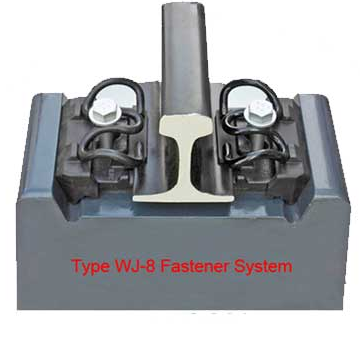
Rail fastening systems are critical components in the railway industry, designed to secure rails to sleepers (ties) to ensure stability and performance. As the demand for efficient and safe rail transportation increases, so does the need for advanced fastening systems. These systems not only enhance safety but also improve the longevity and reliability of rail networks.
The Significance of Safety in Rail Transport
Safety is paramount in the rail transportation sector. Each year, rail systems experience numerous challenges, including environmental stress, heavy loads, and operational wear. Advanced rail fastening systems play a vital role in mitigating these risks, providing a secure connection that withstands the rigors of daily operations.
Understanding the Components of Advanced Rail Fastening Systems
To appreciate the benefits of advanced rail fastening systems, it is essential to understand their components:
1. Rail Clips
Rail clips are crucial for holding the rail in place. Advanced designs offer superior resilience against displacement caused by thermal expansion and heavy loads.
2. Sleeper Plates
These plates distribute loads evenly across the sleeper, reducing the risk of damage. Modern materials ensure increased durability and resistance to wear and tear.
3. Rubber Pads
Often used to absorb vibrations, rubber pads enhance the comfort of rail travel while protecting the track infrastructure.
4. Bolts and Fasteners
High-strength bolts and fasteners provide robust connections that are essential for safety. Innovations in materials have improved their resistance to corrosion and fatigue.
Key Benefits of Advanced Rail Fastening Systems
Choosing advanced rail fastening systems offers numerous advantages:
1. Enhanced Structural Integrity
With advanced fastening technology, the structural integrity of rail networks is significantly improved. This leads to reduced maintenance costs and longer service life of the infrastructure.
2. Improved Safety Metrics
Safety metrics in rail transport can be dramatically improved. By minimizing the risk of rail displacement and derailment, advanced systems contribute to fewer accidents and incidents.
3. Adaptability to Various Environments
Modern fastening systems are designed to perform under a variety of environmental conditions, including extreme temperatures and heavy rainfall. This adaptability ensures that railways can operate safely across diverse geographic locations.
4. Cost-effectiveness Over Time
While the initial investment in advanced systems may be higher, the long-term savings from reduced maintenance and extended service life make them a cost-effective choice.
5. Environmentally Friendly Solutions
Many advanced rail fastening systems utilize sustainable materials and manufacturing processes, aligning with global efforts toward environmentally friendly infrastructure.
Technological Innovations in Rail Fastening Systems
Technological advancements continue to influence the development of rail fastening systems. Understanding these innovations is crucial for industry professionals.
Smart Rail Fastening Systems
The introduction of smart technology in rail fastening systems allows for real-time monitoring and data collection. Sensors embedded in the fastening systems can detect stress, temperature changes, and displacement, enabling proactive maintenance.
Materials Science Breakthroughs
Advancements in materials science have led to the development of components that offer higher strength-to-weight ratios, corrosion resistance, and durability. These innovations directly contribute to enhanced safety and reliability.
Modular Fastening Systems
Modular designs allow for easier installation and maintenance. These systems reduce downtime during repairs, ensuring that rail services remain operational.
The Future of Rail Fastening Systems
As the rail industry evolves, so too will the technologies and methodologies behind rail fastening systems. The future will likely see further integration of automation and artificial intelligence, enhancing safety and operational efficiency.
Regulatory Standards and Compliance
Adhering to regulatory standards is essential for ensuring the safety and reliability of rail fastening systems. Understanding and implementing these regulations can help manufacturers and operators avoid legal issues and ensure safe operations.
Frequently Asked Questions (FAQs)
1. What are rail fastening systems, and why are they important?
Rail fastening systems are critical components that secure rails to sleepers. They are important for maintaining the stability and safety of rail networks.
2. How do advanced rail fastening systems improve safety?
These systems reduce the risk of rail displacement and derailments through enhanced structural integrity and innovative materials.
3. What materials are used in advanced rail fastening systems?
Common materials include high-strength steel, composite materials, and rubber, all designed for durability and resistance to environmental factors.
4. Are advanced rail fastening systems cost-effective?
Yes, while the initial investment may be higher, the long-term savings from reduced maintenance and increased safety make them a cost-effective solution.
5. How do technological innovations impact rail fastening systems?
Innovations such as smart technology and advanced materials enhance the performance, monitoring, and safety of rail fastening systems.
Conclusion
In conclusion, the shift towards advanced rail fastening systems represents a significant step forward in enhancing safety and efficiency within the rail industry. By investing in these modern technologies, stakeholders can ensure a more secure and reliable rail network, ultimately benefitting passengers, freight operations, and the environment. As the industry continues to evolve, embracing these advancements will be critical in meeting the future demands of rail transportation.
Recommended

Xinda Introduces KB65 Railway Tie Plate – Now Available for Customer Orders
Xinda Railway Equipment Co., Ltd. has added the KB65 railway tie plate (baseplate) to its product portfolio, expanding the company's offering for customers operating under GOST standards.
Xinda Optimizes KB65 Railway Tie Plate – New Samples Available for Customer Testing
Xinda Railway Equipment Co., Ltd. has completed a new round of optimization for its KB65 railway tie plate, a key component used in railway fastening systems.
Contact Us
Henan Xinda Railway Equipment Co., Ltd
Fax: +86-372-2372333
Email:info@xindarail.com
WeChat:XindaRail






Send us your request
we will get in touch with you as soon as possible