


Quenching and Passivation Process in Railway Fasteners Manufacturing
In the production of railway fasteners, such as rail clips, fishplates, and bolts, heat treatment and surface protection are very important. Two key processes widely used are the quenching process and passivation treatment.
These processes improve the strength, durability, and corrosion resistance of steel components used in railway tracks.
What Is Quenching Process in Steel
The quenching process is a heat treatment method used to increase the hardness and strength of steel. In the production of railway fasteners, quenching is especially important for parts like rail clips and bolts.
During the quenching process in railway fasteners, steel components are heated to a high temperature and then rapidly cooled using a quenching oil for steel or water.
This rapid cooling changes the internal structure of the steel, making it stronger and more resistant to wear.
Quenching Process for Railway Fasteners
The typical heat treatment of rail clip and other fasteners includes:
1. Heating
Steel is heated to a specific temperature, usually between 800°C and 1000°C.
2. Quenching
The heated steel is quickly cooled using:
- Quenching oil
- Water
- Polymer solutions
Quenching oil is commonly used because it provides controlled cooling and reduces cracking.
3. Tempering
After quenching, the steel is tempered to reduce brittleness and improve toughness.
This process ensures that railway fasteners have both strength and flexibility.

What Is Passivation Process
The passivation process is a surface treatment used to improve the corrosion resistance of steel.
During passivation treatment for steel, a protective oxide layer forms on the surface of the metal. This layer helps prevent rust and corrosion.
Passivation is often applied after surface treatments such as galvanizing or cleaning.
Passivation Treatment for Railway Fasteners
For railway fasteners, passivation plays an important role in protecting products from harsh outdoor environments.
The passivation process includes:
- Cleaning the steel surface
- Removing contaminants
- Applying chemical solution
- Forming protective film
This process is commonly used for:
- Rail bolts
- Fishplates
- Fastening components
- Galvanized products
It improves long-term durability and reduces maintenance cost.

Importance of Quenching and Passivation
Both processes are critical for railway fastening system components.
Benefits of Quenching
- Increase hardness
- Improve wear resistance
- Enhance fatigue strength
- Extend service life
Benefits of Passivation
- Improve corrosion resistance
- Protect surface
- Reduce rust formation
- Improve product appearance
Together, they ensure high performance of railway fasteners in railway tracks.
We can customize products to meet your diverse needs; you are welcome to contact us for inquiries at any time.
Tag:
Quenching and Passivation Process| Heat Treatment and Corrosion Protection
Contact
Classification
Product Inquiry
* Note: Please be sure to fill in the information accurately and keep the communication unblocked, we will get in touch with you as soon as possible
Related Products
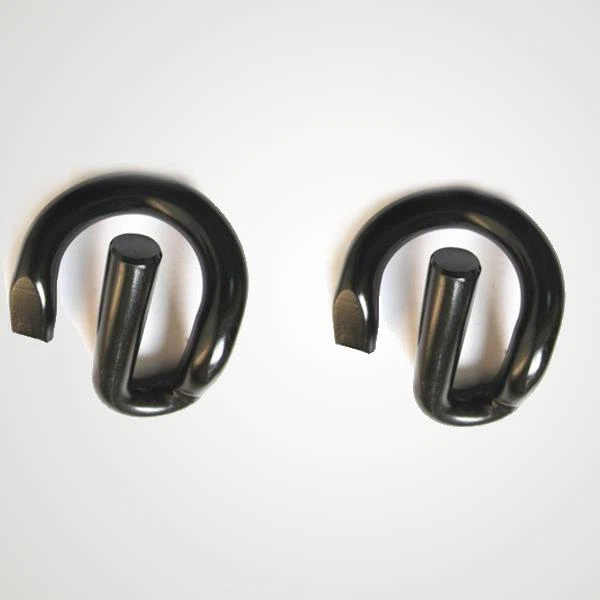
Advanced E1809 rail clip for secure rail-to-sleeper fastening. Spring steel construction with anti-corrosion coating. Ideal for metros, light rail & industrial lines. UIC/ISO certified.
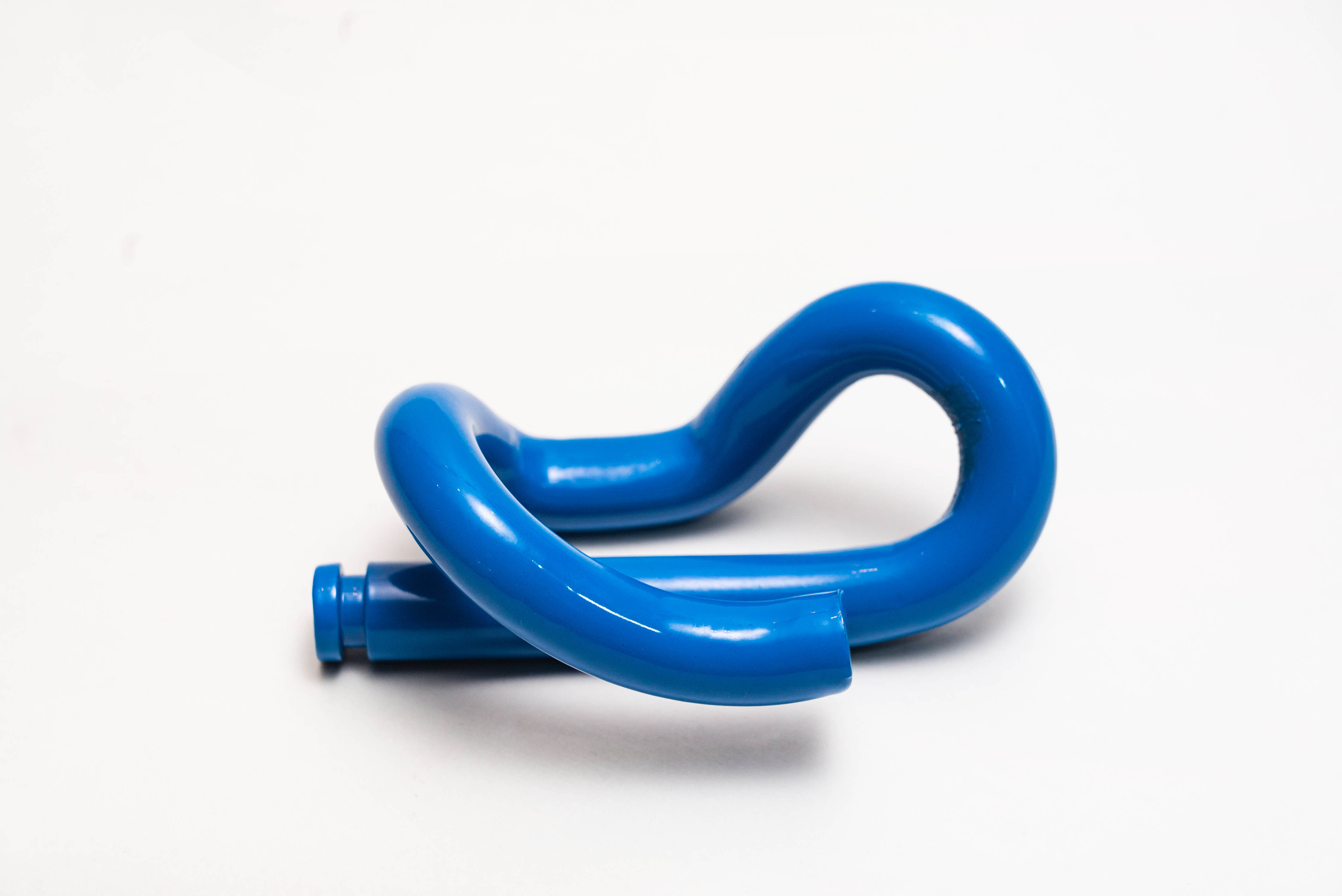
High-Performance Rail Clips for Secure & Durable Railway Track Fastening Systems
ISO-Certified Rail Clips ✓ Spring Steel Construction ✓ Corrosion Resistance ✓ 25+ Year Lifespan. Ensure Track Stability & Safety. Download Technical Specs!

Rail Clamps: The Unsung Heroes of Railway Safety & Stability Xinda can produce railway clamps in accordance with DIN, GB/TB, regional standards and customer drawings. For example, according to AREMA, the range is 52 lb rail, 62 lb rail, 114 lb rail, 106 lb rail, 120 lb rail, 128 lb rail, 171 lb rail and 75 lb rail.

SS35 Screw Spikes: The Precision Anchor for Unshakeable Rail Track Stability The Ss35 screw spikes produced by Xinda have excellent anti-corrosion and anti-rust capabilities and long service life. We can produce according to drawings or samples, and the production process is strictly regulated in accordance with the ISO9001-2015 quality management system.
High-Performance Rail Spikes | Secure & Durable Railroad Track Fastening Solutions
Premium ASTM/EN-compliant railway spikes engineered for maximum track stability, safety & longevity. Ideal for mainlines, heavy haul, and industrial sidings. Request specs & pricing.

Premium Rail Fishplates | High-Strength Rail Joint Solutions for Track Integrity
Engineered ASTM/EN-compliant railway fishplates (joint bars) for seamless rail connections. Reduce maintenance, prevent misalignment & extend rail life. Get specs + quote.
Henan Xinda Railway Equipment Co., Ltd
Fax: +86-372-2372333
Email:info@xindarail.com/aimee@xindarail.com
WeChat:XindaRail






Send us your request
we will get in touch with you as soon as possible